
Ever wondered who the power players behind the famous prancing horse logo are?
Ferrari, the iconic luxury sports car manufacturer, has a fascinating ownership structure that has evolved over time.
Today, Ferrari is primarily a publicly traded company, with Exor N.V. holding approximately 24% of shares, Piero Ferrari (son of founder Enzo Ferrari) owning about 10%, and the rest distributed among various public shareholders.
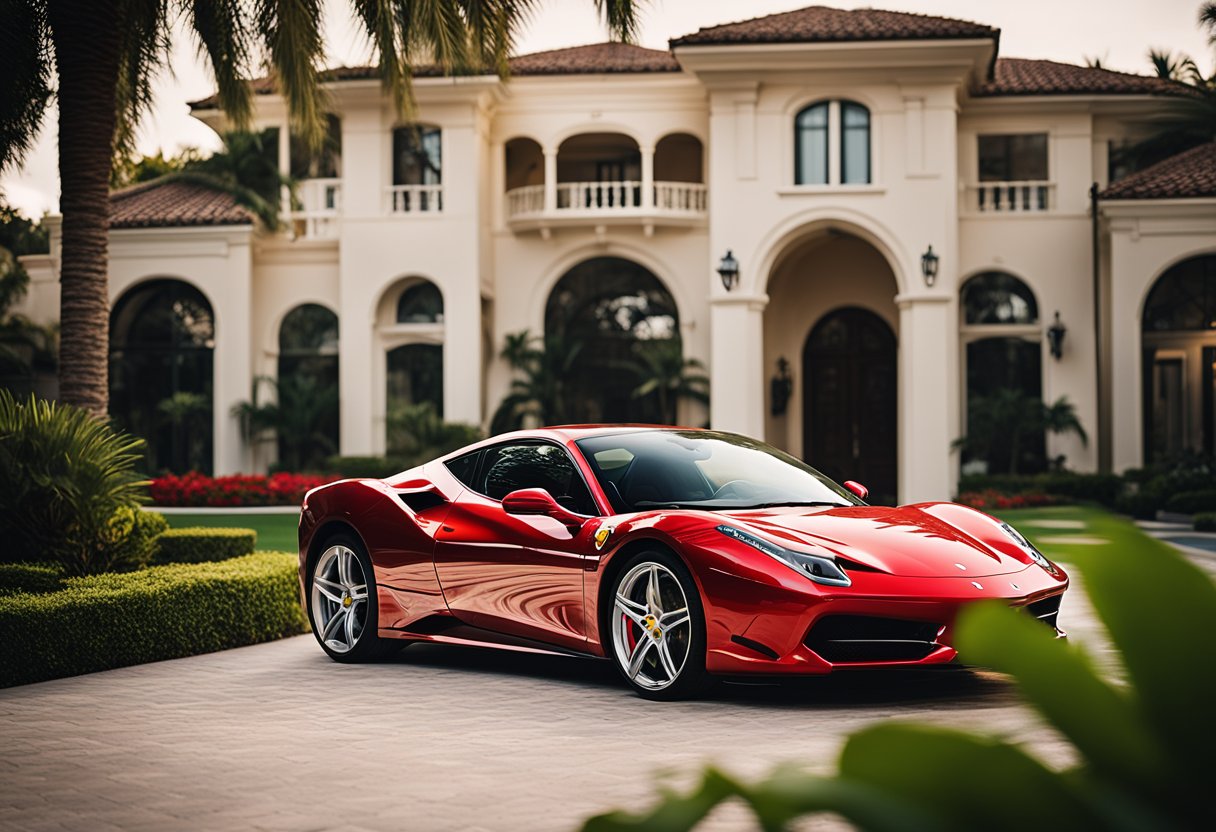
The company was originally founded by Enzo Ferrari in 1939, but its ownership has changed hands several times. In 2016, Ferrari was spun off from Fiat Chrysler Automobiles, making it an independent entity traded on the NYSE under the ticker symbol RACE.
The special voting share structure gives Exor and the Ferrari family significant control, with Exor holding 44,435,280 special voting shares and Piero Ferrari’s trust owning 18,892,160 as of February 2025.
Key Takeaways
- Ferrari is a publicly traded company with major stakeholders including Exor N.V. and Piero Ferrari, son of the founder.
- The luxury sports car manufacturer was spun off from Fiat Chrysler Automobiles in 2016, becoming an independent entity.
- Despite being publicly traded, the Ferrari family maintains significant influence through special voting shares and representation on the board.
History of Ferrari
Ferrari‘s journey to becoming a legendary automaker is rooted in racing passion and Italian craftsmanship. The company’s rich history spans decades of innovation and competition that transformed a small racing team into a global luxury brand.
The Vision of Enzo Ferrari
Enzo Ferrari was born in Modena, Italy in 1898 and developed a passion for racing at a young age. After witnessing his first automobile race at age 10, he decided he wanted to become a race car driver.
His racing career began after World War I when he joined the CMN (Costruzioni Meccaniche Nazionali) team.
In 1920, Enzo joined Alfa Romeo as a race car driver. His vision wasn’t just about driving fast cars but creating the perfect racing machines.
He founded Scuderia Ferrari in 1929, which initially served as Alfa Romeo’s racing division.
Enzo was known for his demanding personality and relentless pursuit of victory. He believed racing wasn’t just a sport but an essential testing ground for automotive innovation.
Formation of Ferrari S.P.A
After leaving Alfa Romeo, Enzo founded his company in 1939, initially named Auto Avio Costruzioni. The company built its first car, the 815, in 1940, though it wasn’t branded as a Ferrari.
Due to World War II, Ferrari’s car production was put on hold. After the war, Enzo established Ferrari S.p.A. in 1945 and began producing cars under the Ferrari name.
The first official Ferrari-badged car was the 125 S, unveiled in 1947. It featured a 1.5-liter V12 engine designed by Gioacchino Colombo and made its competition debut at the Piacenza Circuit.
Ferrari’s headquarters were established in Maranello, near Modena, where they remain to this day.
Ferrari and Alfa Romeo
Enzo Ferrari’s relationship with Alfa Romeo was crucial to his development as a manufacturer. During the 1920s and 1930s, he raced for Alfa Romeo and later managed their racing division.
In 1933, Scuderia Ferrari officially became Alfa Romeo’s racing department. Under Enzo’s leadership, the team achieved numerous victories with drivers like Tazio Nuvolari and Louis Chiron.
The partnership ended in 1939 when Enzo left Alfa Romeo due to disagreements over management. His departure agreement included a clause preventing him from using the Ferrari name on cars for four years.
This split ultimately pushed Enzo to develop his own cars rather than managing someone else’s team. The rivalry would fuel Ferrari’s determination to beat Alfa Romeo on the racetrack.
Rise of the Prancing Horse
Ferrari’s iconic prancing horse emblem has a fascinating origin. It was originally the personal emblem of World War I Italian flying ace Francesco Baracca, who painted it on his aircraft.
After Baracca’s death, his mother suggested Enzo adopt the symbol for good luck. Enzo added the canary yellow background—the color of his hometown of Modena.
The 1950s marked Ferrari’s golden era in motorsport. The company won its first Formula One World Championship in 1952 with Alberto Ascari. Ferrari quickly built a reputation for producing both championship-winning race cars and exclusive road cars.
By the 1960s, Ferrari had become synonymous with luxury, performance, and racing success. The company expanded its road car production while maintaining its racing heritage.
Ferrari’s Ownership Timeline
The story of Ferrari’s ownership has changed significantly over the years, with three major chapters defining who controls this legendary brand. The company has shifted from family ownership to corporate control and finally to public ownership.
Fiat’s Acquisition of Ferrari
Ferrari’s relationship with Fiat began in 1969 when the Italian industrial giant purchased a 50% stake in the sports car manufacturer. This partnership came about when Enzo Ferrari was looking for a strong industrial partner to secure the company’s future.
The Fiat connection deepened in 1988 after Enzo Ferrari’s death. Fiat increased its ownership stake to 90%, giving it significant control over Ferrari’s operations and direction.
This relationship continued for decades, with Ferrari operating as a division within the Fiat corporate structure. The partnership brought stability and resources while allowing Ferrari to maintain its distinctive brand identity and luxury positioning.
Ferrari’s Public Offering
A major shift occurred in October 2015 when Ferrari became a publicly traded company. Fiat Chrysler Automobiles (FCA) officially split off Ferrari in January 2016, marking a new era for the brand.
The initial public offering (IPO) was a huge success with shares listed on the New York Stock Exchange. This transition transformed Ferrari from a division of a larger automotive company to an independent, publicly traded luxury brand.
Today, Ferrari is primarily owned by the public, with shares available to investors worldwide. This structure has allowed Ferrari to focus on its unique market position as a maker of exclusive high-performance vehicles.
The Involvement of Piero Ferrari
Piero Ferrari, Enzo Ferrari’s son, has maintained a significant stake in the company throughout its ownership changes. He currently holds 10% of Ferrari’s shares, providing a direct connection to the company’s founding family.
This family connection helps preserve Ferrari’s heritage while the company evolves in the modern automotive landscape. Piero serves on the company’s board of directors, ensuring the Ferrari family maintains influence over the brand’s direction.
Beyond Piero’s ownership, Exor NV remains Ferrari’s largest single shareholder. This holding company is controlled by descendants of Giovanni Agnelli, one of Fiat’s original founders, creating an interesting connection to Ferrari’s earlier partnership with Fiat.
Iconic Ferrari Models
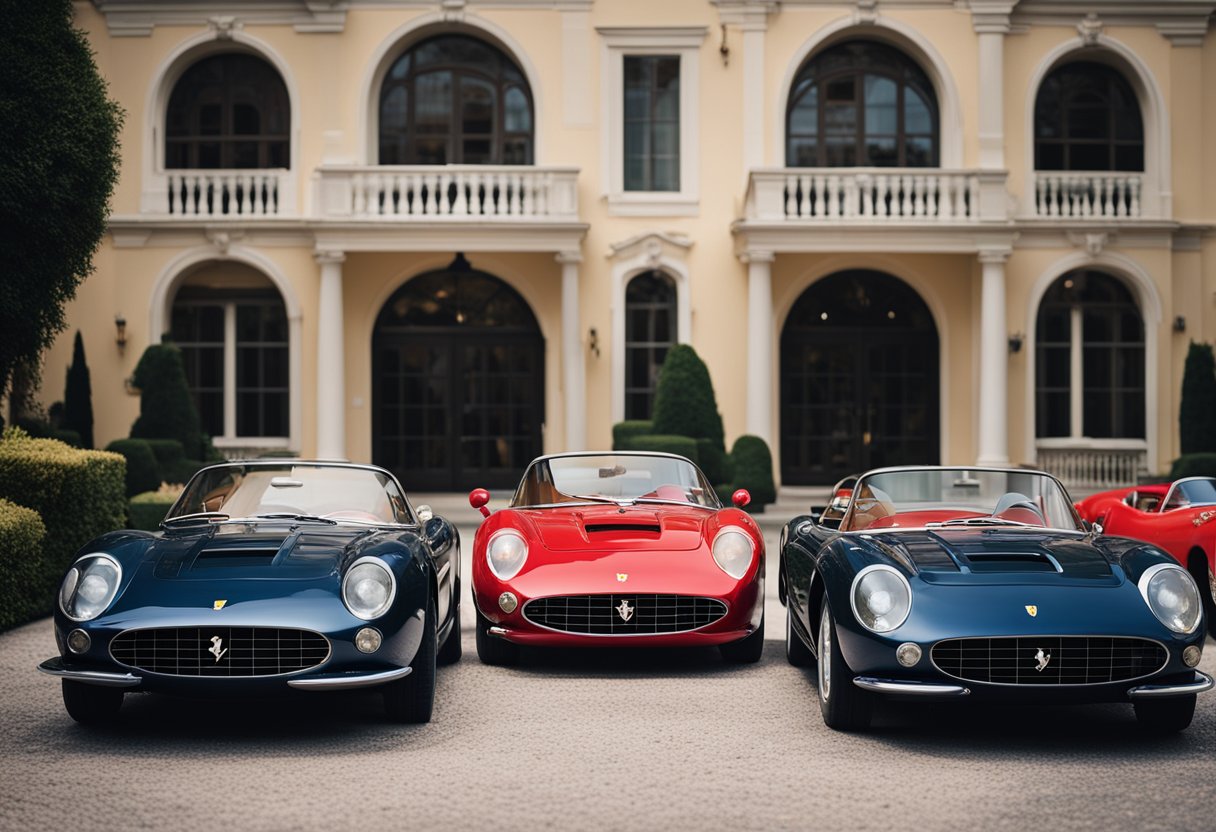
Ferrari has created some of the most memorable sports cars in automotive history. These vehicles combine stunning design, powerful performance, and racing heritage that car enthusiasts around the world admire.
The Legendary Ferrari FF
The Ferrari FF broke new ground when it debuted in 2011 as Ferrari’s first production four-wheel drive model. FF stands for “Ferrari Four,” representing its four seats and four-wheel drive system.
This unique grand tourer features a shooting brake body style with a practical hatchback design. Under the hood, the FF packs a mighty 6.3-liter V12 engine producing 651 horsepower.
What makes the FF special is its versatility. It can reach a top speed of 208 mph while still having enough space for luggage and rear passengers. The FF proved Ferrari could make a practical everyday supercar without sacrificing performance.
Ferrari later replaced the FF with the GTC4Lusso in 2016, but the FF remains a bold statement of how Ferrari could reinvent the grand touring concept.
The Classic Ferrari California
The Ferrari California, launched in 2008, marked Ferrari’s return to the convertible grand touring segment. Named after the iconic 250 GT California Spyder from the late 1950s, this modern interpretation brought Ferrari to a new audience.
As a hardtop convertible, the California offered the best of both worlds – open-air driving and coupe-like protection. The retractable roof could transform in just 14 seconds, changing the car’s character instantly.
The California initially featured a front-mounted 4.3-liter V8 engine with 453 horsepower. In 2014, Ferrari introduced the California T with a turbocharged engine, boosting power to 552 horsepower while improving fuel efficiency.
With a more accessible price point (for a Ferrari) and comfortable ride, the California became one of the brand’s best-selling models, appealing to drivers seeking Ferrari thrills for daily use.
Supercar Benchmark – Enzo Ferrari
Named after the company’s founder, the Enzo Ferrari represented the pinnacle of the brand’s engineering when released in 2002. This limited-production supercar (only 400 were built) transferred Formula 1 technology directly to the road.
The Enzo’s dramatic design prioritized aerodynamics over traditional beauty, with its Formula 1-inspired nose and scissor doors. Its carbon fiber body housed a naturally aspirated 6.0-liter V12 engine producing 651 horsepower.
Performance was breathtaking. The Enzo could accelerate from 0-60 mph in just 3.3 seconds and reach a top speed of 218 mph. Ferrari’s F1-style sequential gearbox delivered lightning-fast shifts in just 150 milliseconds.
The Enzo’s legacy continues to influence Ferrari’s most exclusive models today, including the LaFerrari, which built upon its technological innovations with hybrid power.
Ferrari in Motorsport
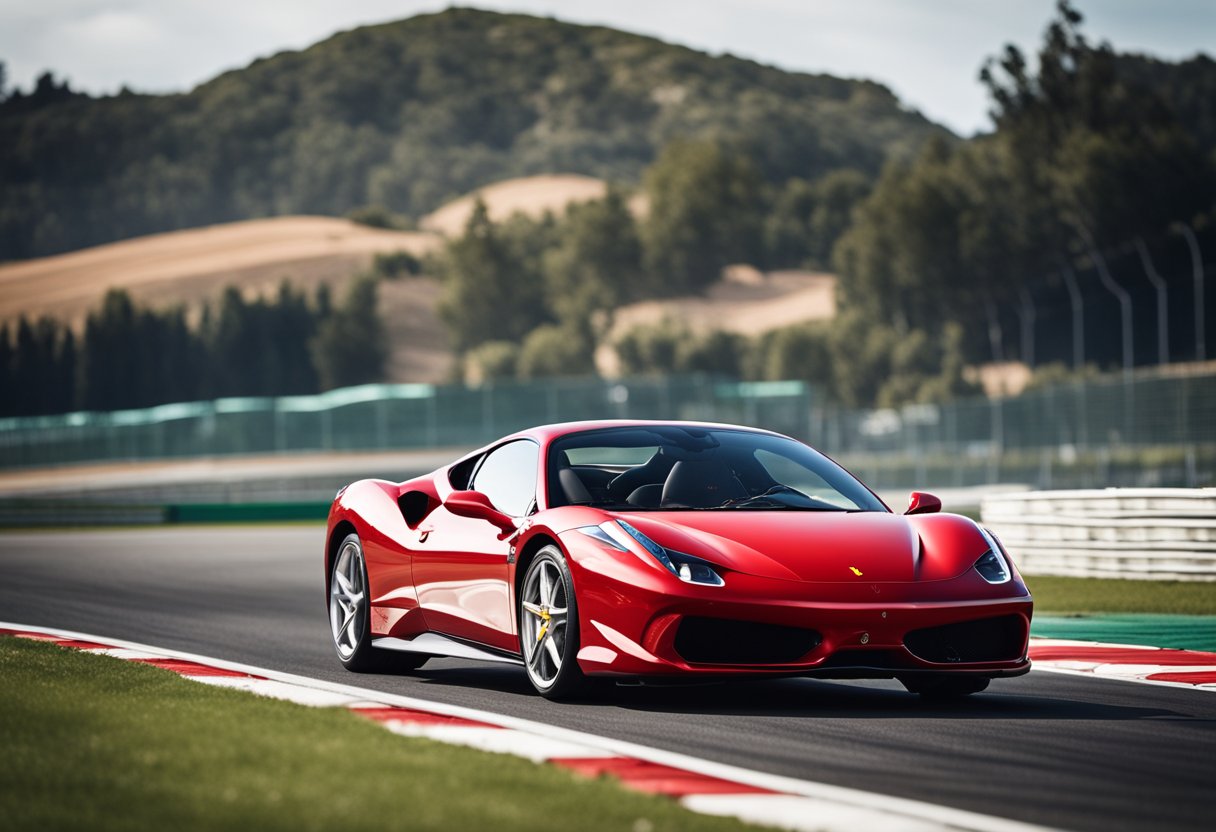
Ferrari’s racing heritage is a crucial part of its identity and success. The company has built a legendary reputation through decades of competition at the highest levels of motorsport.
Scuderia Ferrari’s Dominance
Scuderia Ferrari was founded by Enzo Ferrari in 1929, initially racing Alfa Romeo cars before building their own vehicles by 1947. As the oldest and most successful team in Formula One history, they have collected more championships and race victories than any competitor.
The team’s classic red cars have become iconic symbols of racing excellence. Their early dominance helped establish Ferrari as a household name worldwide.
Drivers like Alberto Ascari, Juan Manuel Fangio, and Niki Lauda cemented the team’s legendary status through different eras. The Michael Schumacher period (1996-2006) brought unprecedented success with five consecutive drivers’ championships.
Ferrari’s racing division employs cutting-edge technology and some of the best engineering minds in motorsport. This technical expertise often transfers directly to their road cars.
Ferrari and Formula One
Formula One has been Ferrari’s primary racing focus since the championship’s beginning in 1950. They are the only team to have competed in every season of F1 since its inception.
The relationship between Ferrari and F1 is symbiotic. The sport benefits from Ferrari’s prestige and passionate fanbase (known as the “tifosi”), while Formula One provides Ferrari a global platform to showcase their technology.
Ferrari receives special financial considerations from F1 due to their historical importance. This “Ferrari bonus” recognizes their value to the sport’s popularity and heritage.
The team’s facilities in Maranello include state-of-the-art wind tunnels and simulators dedicated to F1 development. Their F1 program employs hundreds of specialists focused solely on racing performance.
Impacts on Ferrari’s Brand
Racing success directly influences Ferrari’s commercial strength and brand perception. Victories on Sunday often translate to sales on Monday.
Ferrari’s motorsport program serves as their most effective marketing platform. The excitement and prestige of racing elevates their road cars above mere transportation to objects of desire and achievement.
When designing road cars, Ferrari engineers incorporate technology originally developed for racing. Features like carbon fiber components, aerodynamic styling, and advanced engine technology all began in their competition vehicles.
The exclusivity of Ferrari’s brand is reinforced by their racing heritage. This connection to motorsport helps justify premium pricing and maintains their position as a luxury manufacturer.
Ferrari’s racing livery and prancing horse logo have become universally recognized symbols of speed and excellence. This racing identity has built Ferrari into a public company valued in the billions.
Ferrari’s Global Presence
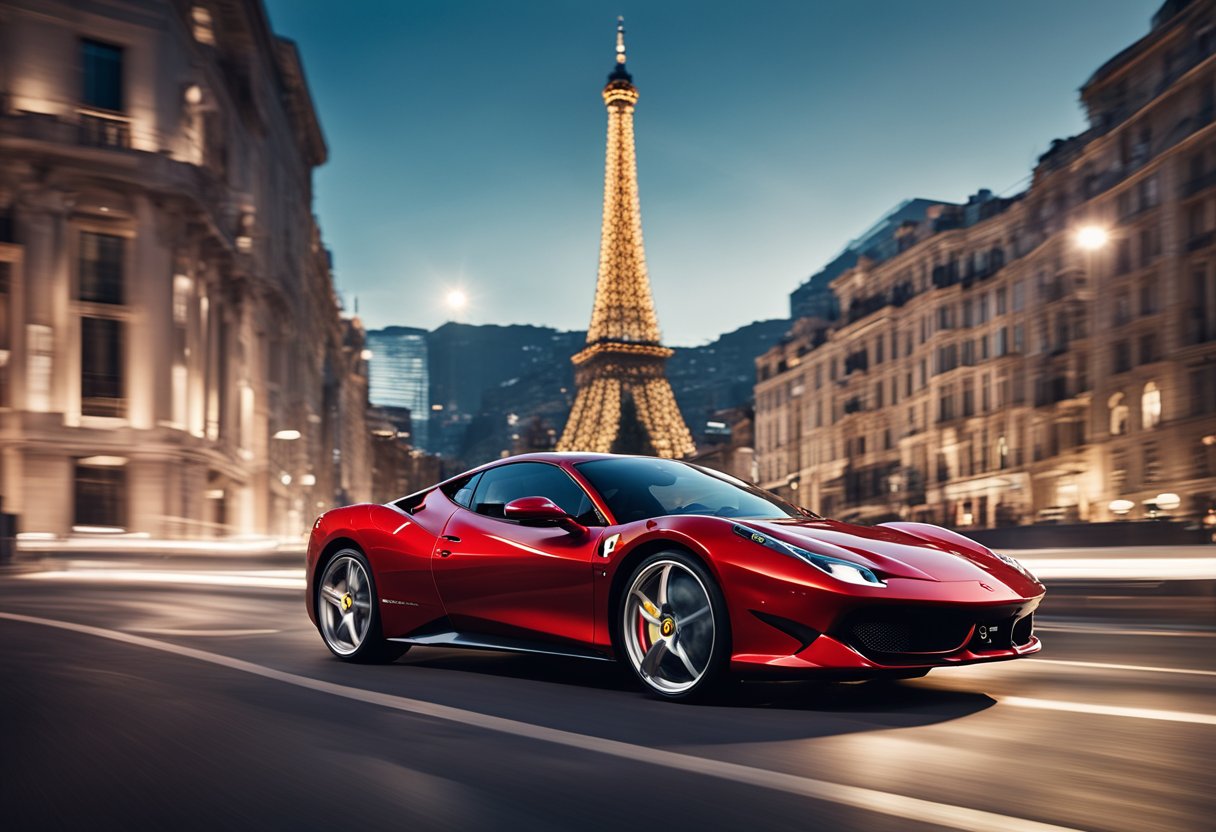
Ferrari has expanded its reach far beyond its Italian roots, creating a global footprint that connects car enthusiasts worldwide with the iconic brand.
Introduction to Ferrari World
Ferrari World in Abu Dhabi is the first Ferrari-branded theme park in the world. It opened in 2010 and features over 20 rides and attractions designed to celebrate the Ferrari legacy and spirit.
The park is home to Formula Rossa, the world’s fastest roller coaster that reaches speeds of 240 km/h, giving visitors a taste of Formula 1 racing excitement.
Ferrari World sits under a massive red roof designed to resemble the classic double-curve side profile of a Ferrari. The park spans 86,000 square meters and was partly funded by Mubadala Development Company, which acquired 5% of Ferrari in 2005.
Visitors can enjoy interactive experiences like racing simulators and get an inside look at Ferrari’s history through various exhibitions and displays.
Worldwide Network of Dealerships
Ferrari maintains an exclusive network of dealerships across the globe, carefully positioned in luxury retail areas of major cities. Each dealership adheres to strict brand guidelines to ensure a consistent customer experience.
These showrooms are designed to reflect Ferrari’s premium positioning, with elegant displays and private consultation areas for potential buyers. Many dealerships feature configuration rooms where customers can personalize their vehicles.
Ferrari has expanded its retail presence to emerging markets while maintaining its exclusivity. The company limits production to preserve brand value and ensure that demand always exceeds supply.
Each dealership employs specially trained staff who understand not just the technical aspects of the vehicles but also the rich heritage and lifestyle that comes with Ferrari ownership. This global network helps maintain Ferrari’s position as the pinnacle of automotive brands.
The Cultural Impact of Ferrari
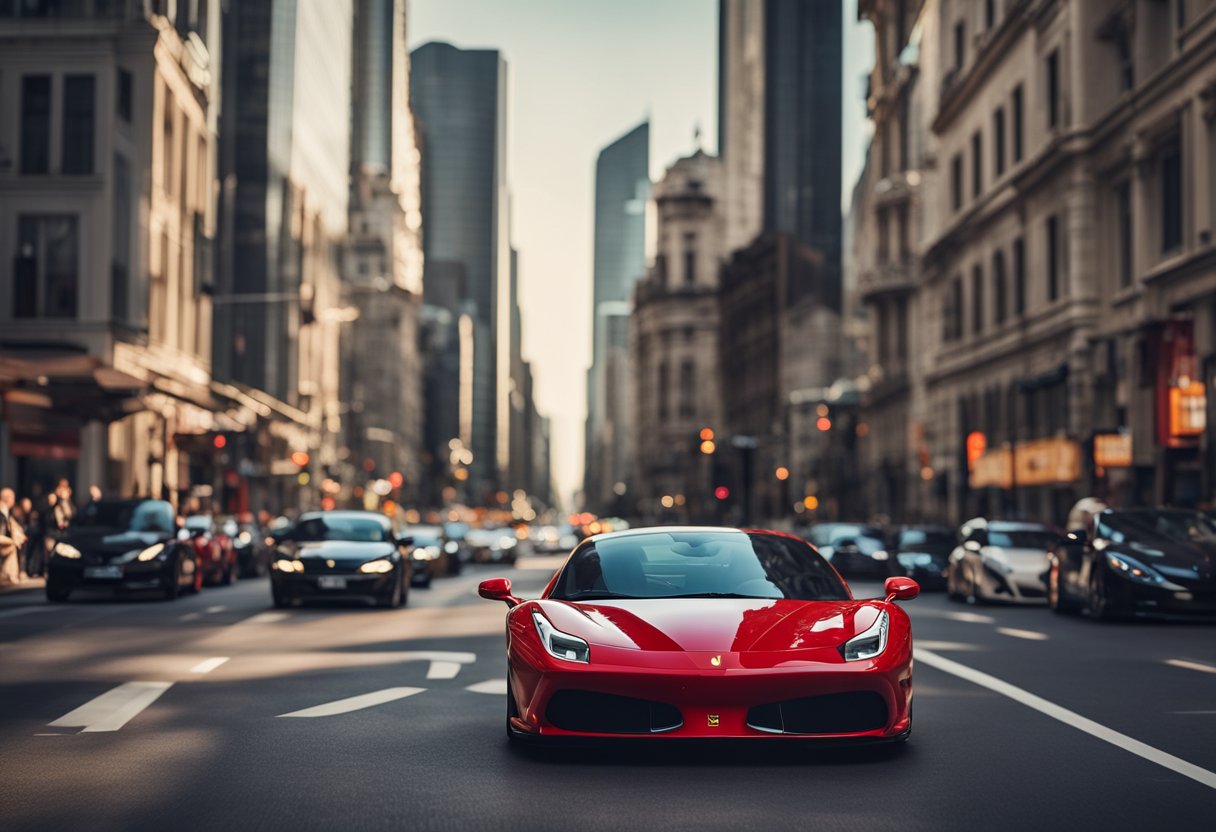
Ferrari isn’t just a car company; it’s a cultural icon that has influenced movies, fashion, art, and global perceptions of luxury and performance. The brand carries symbolism that extends far beyond the automotive world.
Ferrari’s Role in Popular Media
Ferraris have been featured in countless movies, TV shows, and video games. The red sports cars often symbolize wealth, success, and glamour on the big screen.
In films like “Ferris Bueller’s Day Off,” the Ferrari becomes a character itself, representing freedom and rebellion. Racing movies frequently showcase Ferrari’s motorsport heritage and competitive spirit.
Music videos and songs regularly name-drop Ferrari as the ultimate status symbol. Artists from all genres use Ferrari references to convey luxury and achievement.
Video games like “Gran Turismo” and “Forza” prominently feature Ferrari models, allowing fans to virtually experience these exclusive vehicles. This media presence has helped Ferrari maintain its mystique even among those who may never own one.
The Symbolism of the Prancing Horse
The Prancing Horse logo is one of the most recognized symbols in the world. Originally the emblem of Italian World War I flying ace Francesco Baracca, Enzo Ferrari adopted it after meeting Baracca’s parents.
The black stallion rearing on its hind legs against a yellow background represents power, speed, and Italian heritage. It connects Ferrari to both aristocratic traditions and racing excellence.
The logo appears on merchandise from clothing to watches, allowing fans to connect with the brand. For many, wearing or displaying the Prancing Horse symbolizes aspiration and appreciation for craftsmanship.
Ferrari’s cultural impact through this symbol has influenced the world of art as well. Artists create works featuring Ferrari imagery, celebrating its design and cultural significance.
Ferrari Ownership Experience
Owning a Ferrari goes beyond having a car; it’s a lifestyle that brings joy and exclusivity. The journey begins with a dream and turns into a remarkable reality for those lucky enough to join the Ferrari family.
Owning a Piece of Luxury
Becoming a Ferrari owner means joining an elite group of enthusiasts who appreciate engineering excellence and Italian craftsmanship. Many owners describe their Ferraris as “pieces of art” rather than mere vehicles.
The experience is consistently thrilling, as one Ferrari owner mentioned they’ve “never been bored driving” their Ferrari, despite owning it for years. This consistent excitement is part of what makes Ferrari ownership special.
Ferrari owners often become part of a community that shares a passion for the brand. They attend exclusive events, rallies, and track days organized specifically for Ferrari clients.
Maintenance is handled with white-glove service at authorized dealers where each car receives personalized attention. Many owners develop close relationships with their service advisors who understand their specific vehicles.
The Exclusive Waiting List
The journey to Ferrari ownership often begins with joining their famous waiting list. Unlike typical car purchases, Ferraris cannot simply be bought by anyone with enough money.
Potential buyers must first establish a relationship with a Ferrari dealership. The Ferrari ownership experience often starts with purchasing entry-level models before being offered more exclusive vehicles.
Wait times for popular models can stretch from several months to years. Limited edition models might be offered only to established clients who have purchased multiple Ferraris previously.
Ferrari carefully selects who can buy their most exclusive models. The company wants owners who will drive and appreciate their cars rather than simply collect or flip them for profit.
This selective process helps maintain the brand’s exclusivity and ensures that Ferrari owners truly appreciate what makes these luxury cars special.
Comparisons and Rivalries
Ferrari’s position in the luxury sports car market has created natural comparisons with other high-end manufacturers. These rivalries have shaped the evolution of supercars and pushed each brand to innovate and excel.
Ferrari vs. Lamborghini
The rivalry between Ferrari and Lamborghini has a fascinating origin story. It began when Ferruccio Lamborghini, a successful tractor manufacturer, was unhappy with his Ferrari and thought the clutch broke too easily. After a disappointing meeting with Enzo Ferrari, Lamborghini decided to build his own sports cars in 1963.
This competition has become more than just a business rivalry. It’s a catalyst for innovation, design, and performance, pushing both companies to outdo each other.
The key differences between these Italian powerhouses are:
- Design Philosophy: Ferrari emphasizes racing heritage and elegant curves, while Lamborghini embraces bold, angular designs.
- Driving Experience: Ferrari focuses on precise handling, while Lamborghini aims for raw power and aggression.
- Engine Layout: Ferrari typically uses mid-engine V8s or front-engine V12s, while Lamborghini favors mid-engine V10s and V12s.
Ferrari vs. Maserati
The Ferrari-Maserati relationship is unique because both brands were once under the same corporate umbrella. Fiat (now Stellantis) previously owned them both, creating an interesting dynamic.
Unlike the Lamborghini rivalry born from conflict, the Maserati relationship has been more cooperative at times. Both brands share Italian heritage and a passion for craftsmanship, but target slightly different markets.
Ferrari positions itself as the ultimate performance brand with racing DNA. Maserati blends luxury and sportiness, offering more practical four-door options like the Quattroporte and Ghibli alongside its sports cars.
Price points also differ significantly, with Ferrari commanding premium prices for its exclusive models. Maserati offers a more accessible entry point to Italian luxury performance, though still remaining firmly in the luxury segment.
Ferrari vs. Mercedes
The Ferrari-Mercedes rivalry plays out most visibly on Formula 1 circuits. This competition has extended to road cars, with both manufacturers creating high-performance vehicles that showcase their racing technologies.
Mercedes’ AMG division produces direct competitors to several Ferrari models. The key differences include:
- Heritage: Ferrari’s purely Italian racing heritage versus Mercedes’ German engineering excellence.
- Product Range: Ferrari maintains exclusivity with a focused lineup, while Mercedes offers everything from affordable sedans to supercars.
- Technology Approach: Mercedes often pioneers new technology like hybrid systems, while Ferrari prioritizes emotional driving experiences.
In 2005, the Mubadala Development Company, owned by Abu Dhabi’s government, acquired 5% of Ferrari. This shows how Ferrari attracts different investors than Mercedes, which operates within the larger Daimler corporate structure.


