
Prime Hydration has taken the beverage world by storm with its colorful bottles appearing everywhere from grocery store shelves to social media feeds. Many fans wonder who’s behind this popular sports drink that competes with established brands like Gatorade.
Prime Drink is co-owned by internet personalities Logan Paul and KSI, along with Congo Brands, which handles the manufacturing and distribution of the product.
The ownership structure might surprise some fans who assume the famous YouTubers are the sole owners. While Logan Paul and KSI are indeed co-founders of the brand, they partnered with Congo Brands to bring their vision to life. This partnership has proven successful, with Prime becoming one of the fastest-growing beverage brands in recent history.
Key Takeaways
- Logan Paul and KSI are the famous faces and co-founders behind Prime Hydration but share ownership with Congo Brands.
- Prime Hydration operates officially under Prime Hydration LLC, which is a subsidiary of Congo Brands.
- The collaborative business model between influencers and an established beverage company has fueled Prime’s rapid global expansion and popularity.
Prime Hydration Origin Story
Prime Hydration began as a collaboration between two former rivals who joined forces to create a beverage that would disrupt the drinks market. Their partnership has since grown into one of the most talked-about beverage brands in recent years.
The Creation of Prime Hydration
Prime Hydration was officially launched in January 2022 as a sports drink designed to provide hydration with added nutrients. The product was created to fill a gap in the market where “great taste meets function.”
The brand quickly became popular, especially among younger consumers.
Prime offers two main product lines: Prime Hydration, a sports drink, and Prime Energy, an energy drink containing caffeine.
What made Prime stand out was not just the product itself but the massive social media promotion behind it. The founders leveraged their combined follower base of millions to create immediate demand.
Within its first year, Prime became a sensation, with stores selling out regularly and resellers marking up bottles to many times their retail price.
Logan Paul and KSI’s Partnership
Former YouTube rivals Logan Paul and KSI surprised fans when they announced their business partnership. After having fought each other in two high-profile boxing matches, they decided to channel their competitive energy into business.
Logan Paul, a 29-year-old influencer turned professional wrestler with over 45 million followers across platforms, brought his marketing expertise to the table. KSI, a British YouTuber, musician, and boxer, added his international appeal and business acumen.
Though they’re prominently featured as the faces of Prime, there’s some complexity to the ownership structure. The drink is actually owned by Congo Brands, with some questions about how much direct involvement the YouTubers had in creating the formula.
Their partnership demonstrated how influencers could transform their personal brands into successful product lines, creating what would become a drinks empire worth millions.
Product Analysis
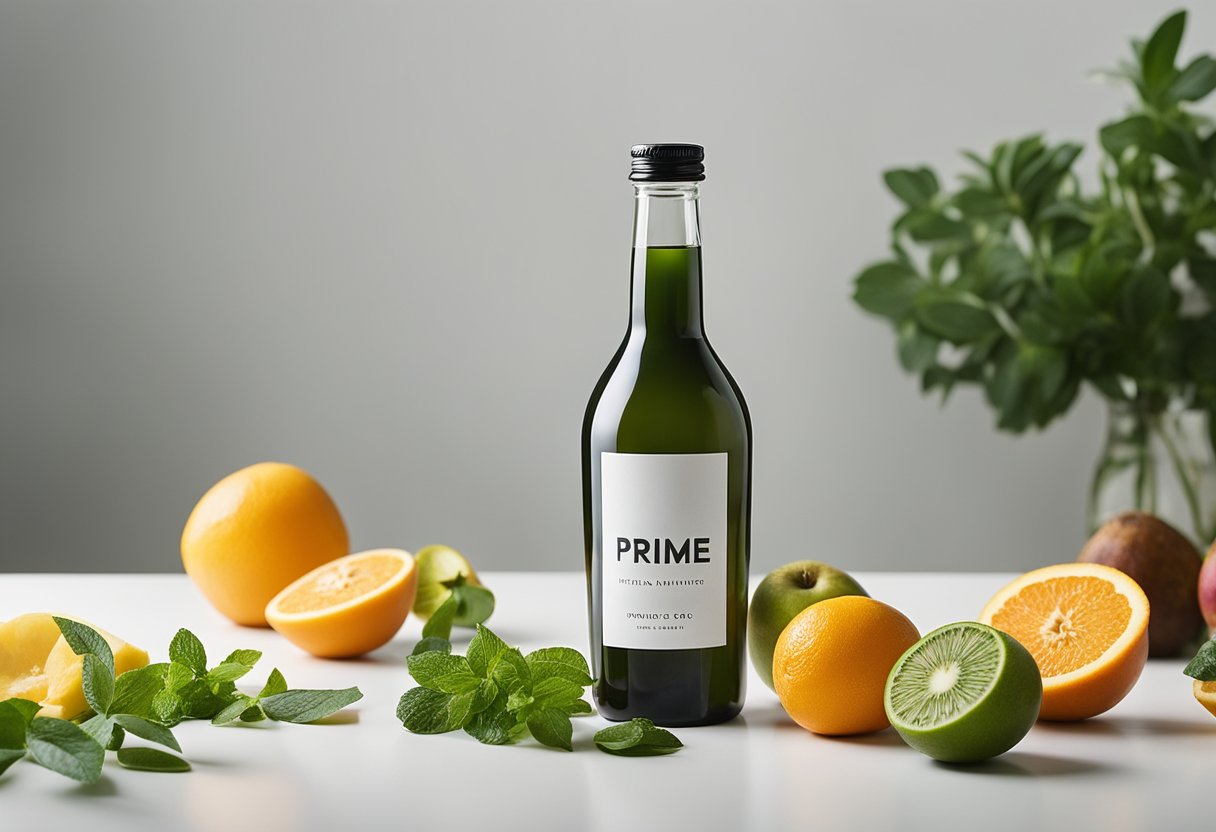
Prime Drink offers a range of features, flavors, and potential health benefits that have helped fuel its popularity. The beverage combines functional ingredients with appealing taste profiles to attract its target audience.
Prime Drink Features
Prime Hydration contains key ingredients that set it apart from other beverages on the market. Each bottle includes electrolytes for hydration and B vitamins to support energy levels. The drinks are marketed as having zero sugar, making them attractive to health-conscious consumers.
Prime comes in two main product lines: Prime Hydration and Prime Energy. The Hydration line focuses on replenishing electrolytes, while the Energy variant contains caffeine for those seeking an energy boost.
The drinks come in colorful, eye-catching bottles that appeal to younger consumers. The branding prominently features the logos and endorsements of its famous co-founders, adding to their appeal.
Flavor Profiles
Prime Drink offers a diverse range of flavor options to suit different tastes. Popular flavors include Blue Raspberry, Tropical Punch, and Lemon Lime, which have become fan favorites.
The Blue Raspberry flavor provides a sweet, fruity taste with a distinctive blue color that appeals to younger consumers. Tropical Punch offers a blend of exotic fruit flavors for those seeking a more complex taste profile.
Lemon Lime delivers a refreshing citrus experience similar to traditional sports drinks but with the added appeal of the Prime brand. Other flavors in the lineup include Ice Pop, Orange, and Grape.
Each flavor is crafted to be refreshing and appealing while maintaining the zero sugar formulation. The drinks are designed to taste good while cold, making them popular choices for post-workout hydration.
Health Benefits
Prime Drink markets itself as more than just a tasty beverage, highlighting several potential health advantages. The inclusion of electrolytes helps with hydration, potentially beneficial for athletes or active individuals.
The formulation includes BCAAs (Branched-Chain Amino Acids), which may support muscle recovery after exercise. This makes Prime attractive to fitness enthusiasts and young athletes.
B vitamins in the drinks contribute to energy metabolism, potentially helping with fatigue reduction. The zero sugar formula also appeals to those watching their sugar intake.
It’s worth noting that while Prime Hydration contains no caffeine, Prime Energy does contain caffeine and is not recommended for children. This distinction is important for parents to understand when considering these products for younger consumers.
Brand Expansion and Availability
Prime Drink has seen incredible growth since its launch, spreading rapidly across multiple countries and retail chains. The brand’s popularity has led to both widespread distribution and notable shortages as demand continues to outpace supply.
Market Penetration
Prime Drink has made huge waves in the energy drinks market, challenging established players like Gatorade and Powerade. The drink has become a cultural phenomenon, often selling out within minutes of hitting shelves.
In the UK, small shops like Wakey Wines and Nisa Local gained social media fame for selling Prime at inflated prices during shortages. One Crawley store made headlines when customers lined up for blocks to purchase the drink.
Stores in Gravesend and Thornbury experienced similar frenzies. The demand became so intense that many fans turned to eBay where bottles were resold for up to 10 times their retail price!
The drink’s natural ingredients, including coconut water, have helped position it as a healthier alternative in the competitive hydration market.
Retail Partnerships
Prime has established strategic partnerships with major retailers worldwide. Aldi supermarkets occasionally stock Prime as a special buy item, creating excitement and urgency among shoppers.
The distribution strategy includes:
- Major supermarket chains
- Convenience stores
- Gas stations
- Online retailers
- Fitness centers
When Prime first launched at Walmart in the US, it quickly sold out across locations. The brand has since expanded its production capabilities to meet demand.
Prime’s retail strategy focuses on creating exclusive partnerships that generate buzz. Limited availability in certain chains has proven effective at building hype and encouraging customers to visit stores regularly to check for restocks.
The brand’s growing retail network now spans North America, Europe, Australia, and parts of Asia.
Marketing and Sales Strategy
Prime Drink’s rapid rise to success stems from its unique marketing approach and impressive sales results. The brand’s strategy leverages the massive online presence of its founders while creating product scarcity to drive demand.
Social Media Influence
Prime’s marketing strategy revolves around the power of social media influencers, particularly its famous co-founders. Logan Paul and KSI used their combined following of millions of fans to launch and promote the drink without traditional advertising. Their YouTube announcements, Instagram posts, and TikTok videos created instant buzz.
The brand continues to thrive on social platforms where young consumers spend their time. When Prime launched, fans would share videos of themselves finding the elusive drinks in stores, creating a viral treasure hunt effect.
Executives like Max Clemons and Trey Steiger helped shape this influencer marketing approach, focusing on creating genuine excitement rather than pushy advertisements. They understood that Gen Z and younger millennials respond better to authentic endorsements from people they trust.
Financial Success
Prime Drink achieved remarkable financial results, reaching $250 million in sales within its first year of operation. This impressive figure shows how effective their marketing strategy has been in converting social media buzz into actual purchases.
The company created artificial scarcity by limiting product availability in stores. When Prime first launched, many locations sold out immediately, leading to long lines and even resales at marked-up prices.
This strategy helped Prime grow from a startup to a drink company valued at billions in just a few years. The business model focuses on creating hype cycles around new flavor releases and limited-edition drops.
By targeting young consumers through channels they already use, Prime has disrupted the traditional beverage industry without spending heavily on conventional advertising methods.
Consumer Engagement
Prime Drink has built impressive customer connections through smart marketing and strong relationships with fans. Their engagement strategy focuses on creating buzz while building a loyal customer base who repeatedly choose their products.
Public Response and Reviews
Prime Drink has generated enormous public excitement since its launch in 2022. The brand’s viral marketing strategy helped it achieve a remarkable $250 million in sales quickly after release. Much of this success stems from the massive social media followings of founders Logan Paul and KSI.
Customers frequently praise Prime’s flavors and hydration benefits online. Many reviews highlight the drink’s taste compared to competitors. The colorful packaging and limited edition releases have also sparked collection trends among younger consumers.
Social media platforms like TikTok and Instagram overflow with Prime unboxing videos and taste tests. These user-generated reviews have helped the brand maintain visibility without heavy traditional advertising costs.
Loyalty and Repeat Customers
Prime has successfully built a dedicated customer base through several clever approaches. Their limited releases create urgency and encourage repeat purchases when new flavors drop.
The brand offers membership programs that reward frequent buyers with exclusive merchandise and early access to new products. Many loyal customers proudly display their Prime collections on social media.
In retail stores like Target, Prime products often sell out quickly, creating a scarcity effect that boosts perceived value. This strategy keeps customers coming back to check for restocks.
Prime has also maintained loyalty through influencer partnerships. Smaller content creators receive products to review, creating authentic connections with various audience segments.


