
When you think of luxury fashion, Louis Vuitton likely comes to mind with its iconic monogram. But have you ever wondered who actually owns this prestigious brand?
Louis Vuitton is owned by LVMH (Moët Hennessy Louis Vuitton), a luxury goods conglomerate led by French businessman Bernard Arnault. He serves as the company’s chairman and CEO.
Louis Vuitton isn’t just a standalone brand. It’s part of a massive luxury empire that includes 75 different luxury brands spanning fashion, jewelry, cosmetics, and wines.
LVMH acquired many well-known brands over the years, including Christian Dior, Fendi, Bulgari, Sephora, and Tiffany & Co. This strategy has helped make Bernard Arnault one of the wealthiest people in the world.
Key Takeaways
- Louis Vuitton operates under LVMH, the world’s largest luxury goods company with 75 brands in its portfolio.
- Bernard Arnault, who founded LVMH, controls the company as both chairman and CEO.
- The brand maintains its exclusive identity while benefiting from being part of a larger corporate structure that includes other luxury names like Dior and Tiffany.
Ownership of Louis Vuitton

Louis Vuitton is part of a larger luxury empire with a fascinating ownership structure. The brand’s control traces back to key business mergers and one of the world’s wealthiest individuals.
Background of LVMH Moët Hennessy
Louis Vuitton operates under the LVMH group, which formed in 1987 through the merger of Louis Vuitton with Moët Hennessy. This strategic combination created what would become the world’s largest luxury goods conglomerate.
Today, LVMH encompasses 75 different prestigious brands across fashion, jewelry, wines, and cosmetics. The company structure includes famous names like Tiffany, Christian Dior, and Sephora.
The ownership structure shows that Christian Dior SE and the Arnault family control 48.6% of LVMH shares but hold 64.33% of voting rights. This arrangement gives them decisive control over the company’s direction.
The remaining 51.4% of shares are publicly traded, allowing investors to own pieces of the luxury giant while the Arnault family maintains majority control.
Bernard Arnault’s Involvement
Bernard Arnault serves as the chairman and CEO of LVMH, making him the public face behind Louis Vuitton’s ownership. He officially founded LVMH when orchestrating the 1987 merger that created the company.
Under his leadership, LVMH has expanded dramatically through strategic acquisitions. His business approach focuses on preserving the heritage of luxury brands while driving their global growth.
Arnault’s success with LVMH has made him one of the world’s richest people. His family maintains tight control of the company through a complex structure of holding companies.
His business strategy includes placing family members in key positions throughout LVMH’s brands. This approach ensures the Arnault family maintains influence across all aspects of the Louis Vuitton brand and its sister companies in the LVMH portfolio.
The Brand’s History and Influence
Louis Vuitton’s journey from a small trunk maker to a global luxury icon showcases remarkable vision and craftsmanship. The brand has shaped fashion history while maintaining its reputation for quality and innovation.
Founding of Louis Vuitton
Louis Vuitton began his career as an apprentice to a box maker in Paris during the 1830s. In 1854, he opened his own workshop at 4 Rue Neuve-des-Capucines in Paris, focusing on creating flat-topped trunks covered in gray Trianon canvas.
These revolutionary trunks were lightweight and airtight, addressing the needs of travelers during the steam age. Unlike the rounded trunks common at that time, Vuitton’s flat designs could be stacked easily.
The business quickly gained popularity among the French elite, with Empress Eugénie becoming an early patron. This royal connection helped establish the brand’s prestigious reputation from its earliest days.
By 1859, Louis Vuitton expanded operations to Asnières, establishing what would become both the family home and the heart of production for generations to come.
From Leather Goods to Luxury Empire
After Louis Vuitton’s death in 1892, his son Georges took control and transformed the company. Georges created the iconic LV monogram pattern in 1896 as a tribute to his father and to prevent counterfeiting.
The brand gradually expanded beyond trunks to include handbags, small leather goods, and eventually a complete lifestyle collection. The Speedy bag, introduced in the 1930s, became one of the brand’s first iconic handbags.
The company survived both World Wars and continued to grow throughout the 20th century. In 1987, businessman Bernard Arnault helped create LVMH by merging Louis Vuitton with Moët Hennessy.
This merger marked the beginning of the world’s largest luxury conglomerate, positioning Louis Vuitton as the cornerstone of a growing luxury empire.
Impact of Louis Vuitton in Europe
Louis Vuitton transformed European luxury standards by combining exceptional craftsmanship with innovative design. The brand established specialized workshops across France where artisans maintain traditional techniques while embracing modern innovations.
These workshops became centers of excellence that preserved European craftsmanship traditions through generations. Louis Vuitton has also revitalized historic European buildings, turning them into flagship stores that celebrate both the brand and local architecture.
The company’s influence extends beyond products to cultural institutions. Louis Vuitton actively supports European arts through foundations, exhibitions, and collaborations with artists and designers.
By balancing tradition with innovation, Louis Vuitton helped define European luxury while remaining relevant to contemporary consumers. The brand continues to represent the pinnacle of European craftsmanship and style worldwide.
Financial Performance
Louis Vuitton’s parent company LVMH has demonstrated impressive financial results despite recent economic challenges. The luxury conglomerate maintains its position as the world’s leading luxury goods group with substantial revenue figures and continued growth across its portfolio of prestigious brands.
Analysis of Recent Revenue Figures
LVMH recorded revenue of €84.7 billion in 2024, showing resilience in a challenging global economic environment. This represents modest growth of about 1% on an organic basis compared to the previous year.
The company has shown remarkable long-term revenue progression over the past decade. Back in 2010, LVMH had revenues of €20.3 billion, which grew to over €53 billion by 2019.
As the parent company of Louis Vuitton, LVMH’s financial performance reflects the strength of its flagship brand alongside its portfolio of 75 prestigious brands. Louis Vuitton itself remains one of the most valuable components of the LVMH group.
Sales Performance and Growth
Despite facing an unfavorable global economic climate, LVMH has maintained solid performance across its business segments. The luxury conglomerate continues to generate substantial revenue through its global retail network.
Louis Vuitton specifically contributes significantly to the Fashion & Leather Goods division, historically one of LVMH’s strongest performing segments. The brand’s iconic products maintain strong appeal with luxury consumers worldwide.
LVMH’s quarterly sales figures typically show seasonal variation, with stronger performances often seen during holiday shopping periods. The group leverages its diverse brand portfolio to balance performance across different markets and product categories.
Strategic Investments and Partnerships
LVMH has grown its empire through careful acquisitions of prestigious brands. Bernard Arnault, the company’s leader, has shown remarkable skill in identifying valuable luxury brands to add to the LVMH portfolio.
LVMH’s Investment in Tiffany & Co.
One of LVMH’s biggest moves was acquiring the iconic American jeweler Tiffany & Co. This massive deal was completed in January 2021 for $15.8 billion. It was the largest acquisition in the luxury goods industry!
The purchase helped LVMH strengthen its position in the high-end jewelry market. Tiffany’s famous blue boxes and 184-year heritage made it a perfect fit for LVMH’s collection of luxury brands.
After the acquisition, LVMH began refreshing Tiffany’s image with new marketing campaigns and product lines. They brought in fresh leadership while preserving the brand’s unique identity and American roots.
This investment shows how LVMH continues to expand its presence across different luxury segments.
The Acquisition of Christian Dior
In 2017, LVMH made another strategic move by fully acquiring Christian Dior for approximately $13 billion. This deal brought the entire Dior brand under LVMH’s control.
Before this, LVMH already owned Dior’s perfume business, but the fashion operations were separate. The acquisition united all aspects of the Dior brand within LVMH.
Michael Burke, who has held important roles at LVMH, had previously served as CEO of Christian Dior USA from 1986 onwards. This connection highlights the close relationship between the brands even before full ownership.
The Dior acquisition strengthened LVMH’s fashion division and eliminated the complex ownership structure. It also gave Bernard Arnault, who owns and directs LVMH, complete control over one of fashion’s most prestigious names.
Product Range and Brand Offerings
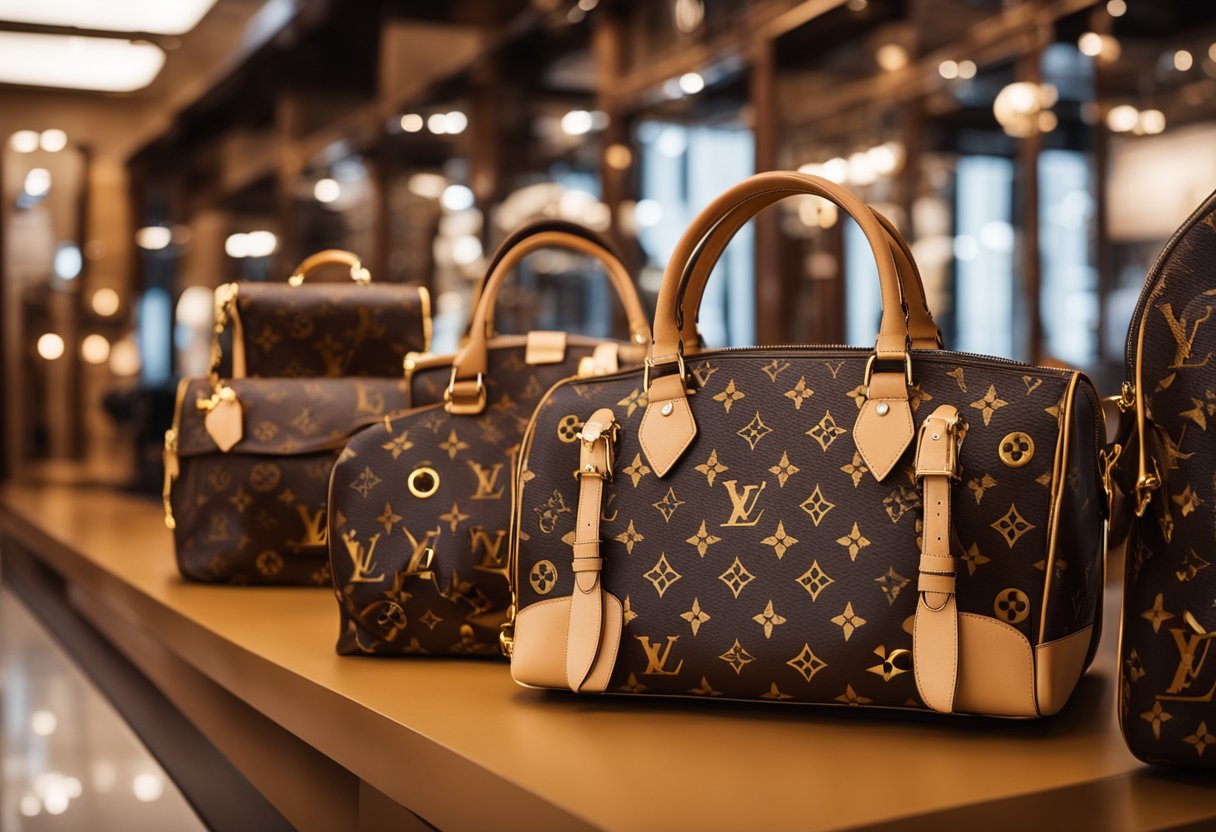
Louis Vuitton offers an extensive collection of luxury items that extends far beyond its famous leather goods. The brand has strategically expanded its product lines while maintaining its signature craftsmanship and exclusive appeal.
Signature Leather Products
Louis Vuitton’s most recognizable offerings are its leather goods, which feature the iconic monogram canvas pattern.
The brand’s handbag collection includes timeless pieces like the Speedy, Neverfull, and Alma bags that have achieved cult status in the fashion world.
Their luggage line stays true to the company’s origins, with trunks and suitcases remaining central to their identity. These items showcase the distinctive LV monogram or Damier pattern that fans instantly recognize worldwide.
Louis Vuitton also produces smaller leather goods like wallets, passport holders, and key cases. Each piece undergoes strict quality control to maintain the brand’s high standards.
What makes these products special is their durability and craftsmanship. The materials used are premium quality, and each item is handcrafted by skilled artisans.
Diversification into Diverse Luxury Segments
Beyond leather goods, Louis Vuitton has expanded into multiple luxury brand categories.
Their ready-to-wear clothing lines for men and women feature seasonal collections designed by creative directors who bring fresh perspectives to the brand.
Fine jewelry and watch collections offer customers high-end timepieces and accessories. The brand also creates fragrances that capture the essence of luxury and travel.
Louis Vuitton’s home decor and accessories line includes items like candles, travel accessories, and even games, all carrying the brand’s distinctive aesthetic.
Their footwear collection spans from casual sneakers to elegant dress shoes, while their tech accessories adapt the classic LV style to modern gadgets. This diversification strategy allows Louis Vuitton to be present in almost every aspect of a luxury lifestyle.
The Company’s Expansion and Future Prospects
LVMH has transformed Louis Vuitton into a global powerhouse through strategic acquisitions and market positioning. The luxury giant continues to adapt to changing consumer preferences while maintaining its prestigious brand image.
Global Expansion Strategies
Louis Vuitton, under LVMH ownership, has focused on carefully controlled expansion to maintain exclusivity.
The brand has strategically opened flagship stores in major cities across Asia, particularly in China where luxury consumption has been growing rapidly.
Louis Vuitton uses a zero-discount policy and never offers sales, which helps preserve its prestigious image. This approach differs from many other retailers but has proven effective for the luxury brand.
Digital transformation has been a key focus, with the brand investing heavily in e-commerce capabilities while still emphasizing in-store experiences. The company balances online accessibility with the exclusive feeling of visiting their boutiques.
LVMH has supported Louis Vuitton’s expansion by leveraging cross-brand synergies within its portfolio of luxury brands. This strategy allows for shared resources and expertise across the conglomerate.
Emerging Trends and Future Outlook
Louis Vuitton is adapting to changing consumer preferences. They are embracing sustainability initiatives and ethical sourcing. The brand has introduced more environmentally friendly materials and manufacturing processes.
According to recent reports, LVMH noted a “good start to 2025” despite some challenges in the luxury market. The company has shown resilience even in uncertain economic conditions.
Younger consumers are increasingly important to Louis Vuitton’s future growth. The brand has been collaborating with contemporary artists and designers to attract millennials and Gen Z customers.
Digital innovation remains central to Louis Vuitton’s strategy. They have made investments in AR/VR experiences and personalization technology. These tools help bridge the gap between online shopping and the traditional luxury experience.
The brand continues to explore new markets while maintaining a strong presence in established luxury centers. This balanced approach helps mitigate regional economic fluctuations.


