
If you’ve ever driven a Dodge vehicle or seen one on the road, you might wonder about the company behind these iconic American cars. Dodge has been a fixture in the automotive industry for decades, but the brand’s ownership has changed hands several times throughout its history.
Dodge is currently owned by Stellantis NV, a multinational automotive manufacturing corporation formed in 2021 through the merger of Fiat Chrysler Automobiles and the French PSA Group.
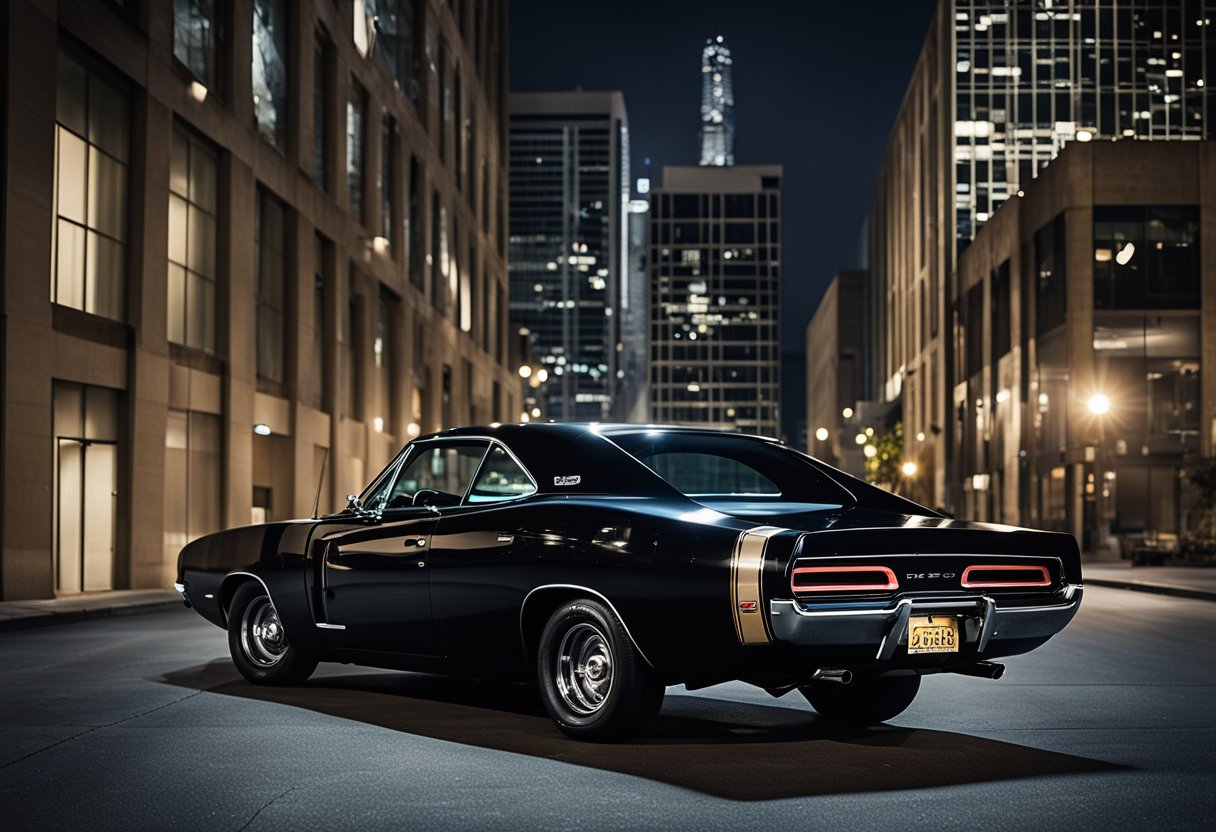
The journey of Dodge ownership is quite interesting. While it began as a company founded by the Dodge brothers in the early 1900s, it later became part of Chrysler.
Today, Dodge operates as an American brand and division of Stellantis North America, with headquarters in Auburn Hills, Michigan. Along with other well-known American brands like Jeep, Ram, and Chrysler, Dodge continues to produce vehicles that embody American automotive culture.
Key Takeaways
- Dodge is owned by Stellantis NV, which formed through a merger between Fiat Chrysler Automobiles and PSA Group in 2021.
- The brand started with the Dodge brothers but has experienced several ownership changes throughout its century-long history.
- Dodge focuses on performance-oriented vehicles while sharing corporate resources with sister brands like Chrysler, Jeep, and Ram under the Stellantis umbrella.
Historical Ownership of Dodge
The Dodge brand has changed hands several times since its founding, evolving from a small family business to part of a global automotive giant. These ownership changes have shaped the company’s identity and product lines throughout its long history.
Founding and Early Years
The Dodge Brothers Company began in the small town of Niles, Michigan. Brothers John and Horace Dodge started their journey in the automotive industry by making parts for other car manufacturers.
In 1914, they decided to produce their own vehicles. The first Dodge automobile rolled off the assembly line in November of that year. Their cars quickly gained a reputation for durability and quality.
Sadly, both brothers died in 1920 – John in January and Horace in December. Their deaths left the company in the hands of their widows, who eventually sold the business to investment bankers for $146 million in 1925.
Chrysler Corporation Era
In 1928, Chrysler acquired Dodge, marking the beginning of a long partnership. This acquisition helped propel both brands to new heights in the American automotive market.
Under Chrysler’s ownership, the Dodge Coronet became one of the brand’s most successful models. Chrysler positioned Dodge as its mid-priced brand, filling an important slot in its product lineup.
Through the decades, Dodge remained an important part of the Chrysler Corporation. The Dodge brand continued through multiple ownership changes as Chrysler itself evolved.
In 1998, Chrysler merged with Daimler-Benz to form DaimlerChrysler. Later, after separating from Daimler, Chrysler and Dodge became part of Fiat Chrysler Automobiles (FCA). Most recently, in 2021, FCA merged with PSA Group to create Stellantis, which is now Dodge’s parent company.
Modern Ownership and Stellantis
Dodge’s ownership has evolved significantly over the past few decades through a series of mergers and corporate restructurings. The brand has transitioned from being part of Chrysler to joining larger automotive groups with global reach.
Merger with Fiat
In 2009, Dodge’s parent company Chrysler faced serious financial troubles during the global economic crisis. The company filed for bankruptcy, creating uncertainty for all its brands.
Fiat, the Italian automaker, stepped in and initially purchased a 20% stake in Chrysler. This partnership gave Chrysler the lifeline it desperately needed. Fiat gradually increased its ownership over the next few years.
By January 2014, Fiat had acquired the remaining shares of Chrysler for $4.35 billion, taking complete control of Dodge and other Chrysler brands. This full acquisition set the stage for an even bigger corporate restructuring.
Formation of Fiat Chrysler Automobiles (FCA)
Later in 2014, Fiat and Chrysler officially merged to create Fiat Chrysler Automobiles (FCA). This new company brought together Italian and American automotive heritage under one corporate umbrella.
FCA established its headquarters in Amsterdam, Netherlands, for tax purposes, though it maintained significant operations in both Italy and the United States. The new company housed numerous brands including:
- Dodge
- Chrysler
- Jeep
- Ram
- Fiat
- Alfa Romeo
- Maserati
Under FCA, Dodge continued its focus on performance vehicles and SUVs for the American market. FCA invested in upgrading Dodge’s lineup with powerful engines and distinctive styling to differentiate it from other brands in the portfolio.
The Stellantis Merger
In January 2021, FCA merged with the French PSA Group (which owned Peugeot, Citroën, and Opel/Vauxhall) to form Stellantis NV. This created the world’s fourth-largest automaker by volume with 14 different automotive brands.
The merger valued the combined company at approximately $52 billion. Stellantis established its headquarters in Amsterdam, continuing FCA’s previous arrangement.
Under Stellantis, Dodge remains positioned as an American performance brand. The company now benefits from shared technology, platforms, and resources across a massive global automotive group.
Vision and Leadership
The leadership at Dodge operates under its parent company Stellantis, guiding the iconic American brand through automotive industry changes. The executives shape both current operations and future direction while maintaining Dodge’s performance heritage.
Vision for the Future
Dodge is transitioning toward a future that blends its muscle car legacy with new technologies. Under Stellantis ownership, the brand is evolving its vehicle lineup while preserving its performance DNA.
The company has announced plans to embrace electrification while maintaining the high-performance characteristics Dodge customers expect. This strategic shift represents a significant evolution for a brand historically known for powerful internal combustion engines.
Stellantis CEO Carlos Tavares oversees this transformation from the company’s headquarters in the Netherlands. His leadership has emphasized maintaining brand identity while navigating industry-wide changes toward sustainability.
Dodge’s vision includes developing electric muscle cars that deliver the thrilling experience customers expect, showing the brand’s commitment to evolution rather than abandonment of its core values.
Key Executives and Leadership
In May 2024, Stellantis announced significant leadership changes for the Dodge brand. Matt McAlear was appointed as the new Dodge CEO, replacing Timothy Kuniskis.
McAlear brings valuable experience from his previous role leading Dodge’s sales operations. As the new CEO, he joined Stellantis’ Top Executive Team and will guide Dodge’s strategic direction going forward.
The leadership structure at Dodge operates within the larger Stellantis organization. Carlos Tavares serves as the CEO of Stellantis, providing oversight for all brands including Dodge.
These executives face the challenge of honoring Dodge’s 100+ year heritage while positioning the brand for future success. Their decisions affect everything from product development to marketing strategies.
Brand and Product Line Evolution
Dodge has transformed from its early automobile roots to become a brand recognized for powerful muscle cars, versatile SUVs, and innovative pickup trucks. The brand’s evolution shows how it has adapted to changing market demands while maintaining its performance identity.
Muscle Identity and Popular Models
Dodge reclaimed its muscle car heritage in the early 2000s with the introduction of the Dodge Challenger and Charger. These vehicles brought back the spirit of classic American muscle with modern engineering.
The Challenger, reintroduced in 2008, became an instant hit with its retro-inspired design and powerful engine options. It successfully captured the nostalgia of the original 1970s model while offering contemporary features.
The Charger followed a similar path, evolving from a two-door muscle car to a four-door sedan that maintained impressive performance credentials. The SRT (Street and Racing Technology) variants pushed these vehicles to new performance heights.
Limited edition models like the Demon and Hellcat helped Dodge establish a reputation for extreme horsepower in production vehicles. These high-performance versions created excitement among enthusiasts and brought attention to the entire brand.
Expansion into SUVs and Trucks
Dodge expanded beyond muscle cars to develop a strong presence in the SUV and truck markets. The Durango SUV became a cornerstone of this strategy, offering three-row seating with powerful engine options.
The brand’s truck line eventually separated to become Ram Trucks, which remains closely associated with Dodge in many consumers’ minds. This division allowed both brands to focus on their respective market segments.
Earlier SUV models like the Journey provided more family-friendly options while still maintaining the brand’s performance-oriented DNA. These vehicles helped Dodge appeal to a broader market.
Dodge also pioneered the performance SUV category with models like the Durango SRT, bringing muscle car power to the utility vehicle segment. This approach demonstrated how Dodge could transfer its performance heritage to different vehicle types.
Electrification and Future Vehicles
Dodge is embracing electrification while trying to maintain its performance identity. The brand has announced plans for electric muscle cars that aim to preserve the excitement of traditional Dodge vehicles.
The Charger Daytona SRT concept previews Dodge’s electric future with unique features like an “exhaust” system for EVs called the Fratzonic Chambered Exhaust, designed to deliver an auditory experience similar to conventional muscle cars.
Dodge’s parent company Stellantis has committed significant resources to electrification, with plans to offer electrified versions across its vehicle lineup in the coming years.
The brand faces the challenge of transitioning its passionate fan base from V8 engines to electric powertrains. Dodge is focusing on maintaining performance metrics that matter to enthusiasts while adopting new technology.
Financial and Market Performance

Dodge’s financial landscape has evolved significantly since becoming part of Stellantis. The company faces challenges but continues to maintain a strategic position in key markets like North America.
Revenue and Sales Volume
Stellantis, Dodge’s parent company, has recently experienced financial difficulties. According to their Q3 2024 report, there was a 27% drop in revenues. This decline has impacted all brands under the Stellantis umbrella, including Dodge.
The company has been actively working to address inventory challenges in the United States. High inventory levels had been hurting profitability, but Stellantis has made progress in reducing these stockpiles.
The second half of 2024 was particularly challenging, with Stellantis reporting a net loss. This financial downturn affected operations across all brands, including Dodge’s manufacturing facilities in Michigan and other locations.
Strategic Partnerships and Market Positioning
Dodge maintains a strong presence in North America, particularly in the muscle car and performance vehicle segments. The brand benefits from Stellantis’s global reach while maintaining its distinctive American identity.
The 2021 merger that created Stellantis promised significant synergies and cost savings. These operational efficiencies help Dodge compete effectively despite challenging market conditions.
Dodge’s market positioning continues to focus on performance-oriented vehicles, which helps differentiate it from other Stellantis brands like Jeep and Ram. This strategic focus gives Dodge a unique place in the automotive landscape.
European expansion remains a consideration for the brand, though Dodge’s primary market continues to be the United States. The financial framework of Stellantis supports Dodge’s operations in the global marketplace while preserving its distinctive product identity.
Global Operations and Manufacturing
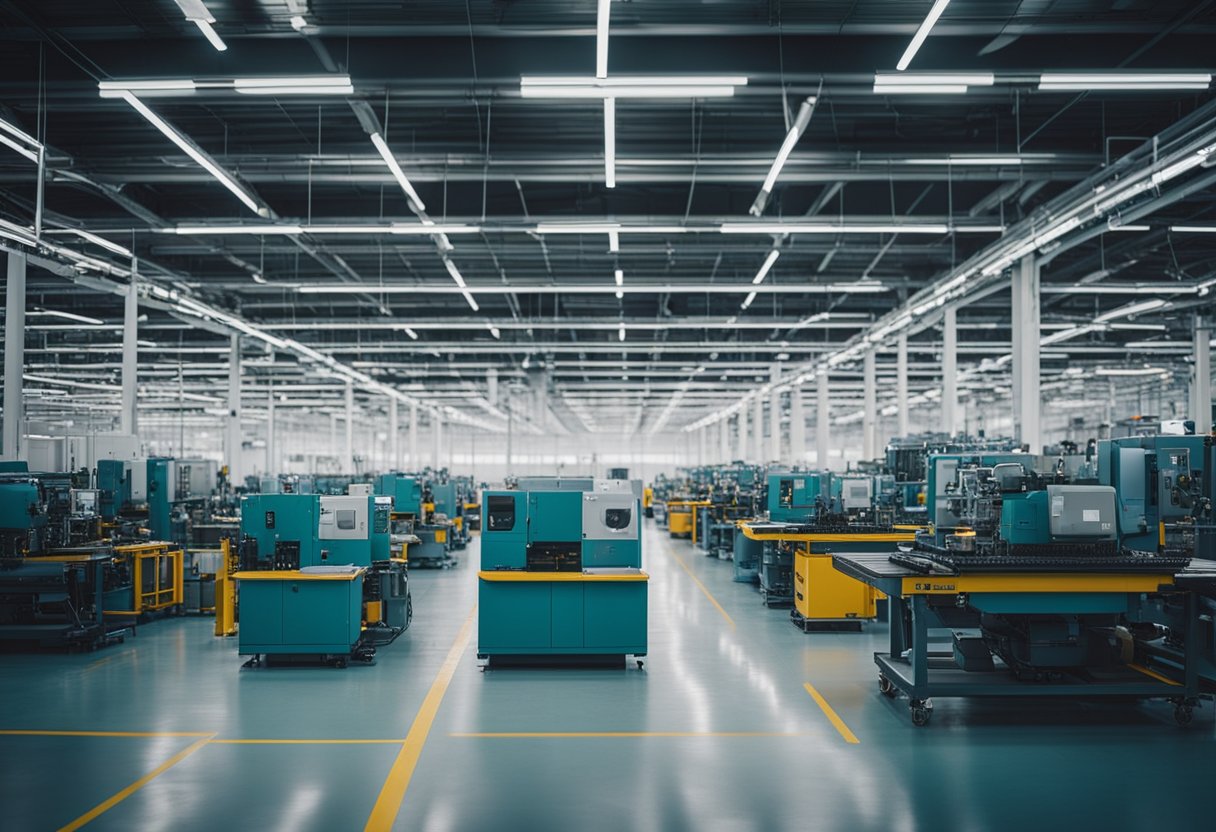
Stellantis, the parent company of Dodge, manages a vast network of manufacturing facilities worldwide to produce vehicles and components for its 14 automotive brands. These operations span multiple continents with specialized facilities for different vehicle types and parts.
Manufacturing Facilities and Output
Dodge vehicles are primarily manufactured in North America, with key production plants located in the United States and Canada. The Jefferson North Assembly Plant in Detroit, Michigan plays a crucial role in producing popular Dodge models like the Durango SUV.
The Brampton Assembly Plant in Ontario, Canada has historically been responsible for Dodge’s performance vehicles including the Charger and Challenger models.
These facilities employ thousands of workers and utilize advanced automation technologies to ensure quality and efficiency. Each plant specializes in specific vehicle platforms, allowing for streamlined production processes.
The Auburn Hills headquarters in Michigan serves as the nerve center for Dodge operations. It houses engineering teams that design and test new models before they reach production lines.
Supply Chain and Component Parts
Dodge relies on a complex global supply chain network to source the thousands of components needed for vehicle production. Key suppliers provide everything from small fasteners to complex transmission systems.
Mopar, Stellantis’ parts division, plays a vital role in this ecosystem by manufacturing and distributing genuine parts for Dodge vehicles. This includes critical drivetrain components like transmissions and engines.
The automaker maintains strategic partnerships with parts suppliers across North America, Europe, and Asia to ensure consistent quality and timely delivery. This global approach helps minimize production disruptions.
Recent supply chain innovations include just-in-time delivery systems and increased localization of parts production near assembly facilities. These strategies help reduce costs and environmental impact while maintaining the performance standards Dodge customers expect.
Cultural and Competitive Landscape
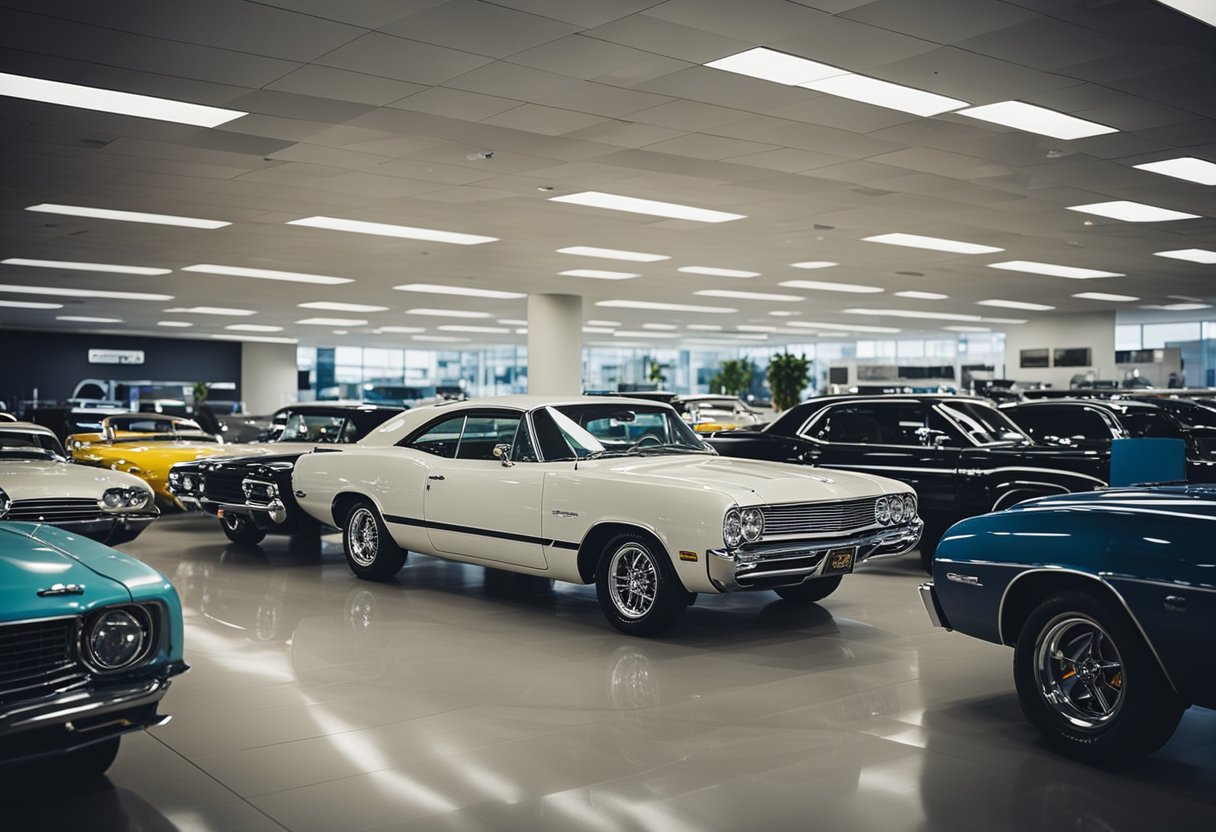
Dodge has carved out a distinctive place in American automotive culture through its bold designs and performance-focused vehicles. The brand competes in a crowded marketplace where its muscle car heritage helps it stand apart from both domestic and international rivals.
Dodge in American Culture and Motorsports
Dodge has become deeply embedded in American culture as a symbol of automotive muscle and performance. The brand’s vehicles, especially the Challenger and Charger models, represent American power and freedom on the road. These iconic cars frequently appear in movies, TV shows, and music videos.
In motorsports, Dodge has a storied history. The brand has participated in NASCAR competitions for decades, creating fierce rivalries with Ford and General Motors. Dodge’s Charger and Challenger have also dominated drag racing scenes across America.
The brand’s “Brotherhood of Muscle” marketing campaign has strengthened its connection with enthusiasts. Dodge’s social media presence is remarkably strong, having been ranked first among mass-market automotive brands by social media analytics.
Competition with Other Automakers
Dodge faces tough competition in different vehicle segments. In the muscle car category, Ford’s Mustang and Chevrolet’s Camaro are Dodge Challenger’s primary American rivals. This three-way battle has defined American sports cars for generations.
In the SUV and truck markets, Dodge (and its sister brand Ram) compete with Ford, GM, Toyota, and other manufacturers. Since Ram split from Dodge in 2009, Dodge has focused more on performance vehicles while Ram handles trucks.
Internationally, Dodge competes against luxury performance brands like Audi (part of Volkswagen Group). However, Dodge typically offers more affordable performance options with larger engines than its European counterparts.
Dodge’s parent company Stellantis positions the brand strategically within its portfolio to minimize internal competition while maximizing market coverage against external competitors.
Corporate Social Responsibility
Dodge’s parent company Stellantis has made strong commitments to corporate responsibility, balancing business goals with social and environmental concerns. Their approach includes both sustainability initiatives and community engagement.
Sustainability Initiatives
Stellantis, which owns Dodge, is committed to shaping a better future through sustainable mobility. The company has developed ambitious targets as part of their “Dare Forward 2030” strategic plan.
Electric vehicles are a central focus of Dodge’s sustainability efforts. The brand is transitioning from its traditional high-performance combustion engines toward electrified options while maintaining its performance heritage.
Stellantis’ 2023 Corporate Social Responsibility Report shows significant progress toward their sustainability goals. This represents an evolution from earlier corporate thinking, moving beyond the profit-focused principles established in cases like Dodge v. Ford Motor Co.
Community Engagement and Employment
Dodge and Stellantis maintain strong ties to American communities. Many facilities are located in Michigan. They provide thousands of domestic jobs and support local economies through manufacturing operations.
Employee programs focus on diversity, inclusion, and professional development. The company recognizes that sustainability efforts impact employees. They work to create positive workplace environments.
Community initiatives include education support, disaster relief, and local partnerships. Many Dodge dealerships participate in charitable events and sponsorships in their communities.
Stellantis emphasizes responsible manufacturing practices. These practices protect both workers and surrounding communities. This includes reducing environmental impacts of production facilities and ensuring fair labor practices throughout their supply chain.


