The Green Bay Packers stand out in professional sports as the only community-owned franchise in major American sports leagues. Instead of having a single wealthy owner or corporate entity in control, the team belongs to thousands of fans who have purchased shares over the years.
The Green Bay Packers are owned by approximately 538,967 stockholders who collectively hold around 5,204,625 shares of the team, making it a truly public-owned sports organization.
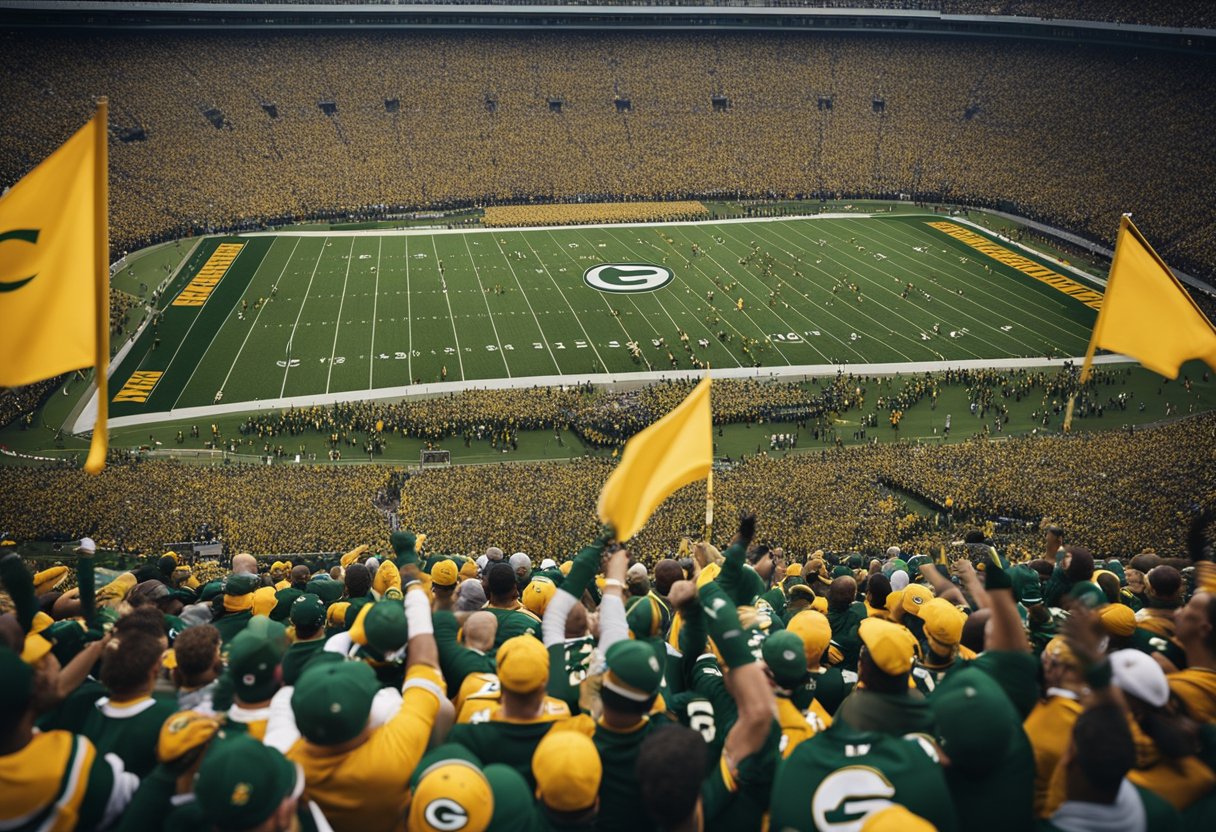
This unique ownership structure dates back more than a century and has helped keep the team firmly rooted in Green Bay, Wisconsin despite it being the smallest market in the NFL.
Unlike other team stocks, Packers shares don’t pay dividends or increase in value—they’re essentially a piece of memorabilia that comes with bragging rights and an invitation to the annual shareholders meeting. The team president, currently in his final year, acts as the de facto owner when it comes to NFL matters.
The community ownership model has created an unmatched bond between the team and its fans. This special relationship has helped the Packers sustain success through generations, as decisions are made with the community’s best interests in mind rather than profit margins. The consumer cooperative model ensures that the team remains committed to Green Bay and its passionate fanbase.
Key Takeaways
- The Packers are owned by over 538,000 stockholders in a unique community ownership model that prevents the team from ever relocating.
- Packers stock doesn’t provide financial returns but gives fans a symbolic piece of ownership and voting rights at annual shareholder meetings.
- This ownership structure has created a special relationship between the team and community, helping maintain traditions and competitive success for over a century.
Ownership Structure
The Green Bay Packers stand alone in professional sports with their unique community ownership model that has preserved the team in small-market Wisconsin for over a century. This structure gives fans a special connection to the team while ensuring stable leadership.
Public Ownership
The Green Bay Packers are the only publicly owned franchise in the NFL. Unlike other teams owned by wealthy individuals or corporations, the Packers belong to their fans through a community ownership structure established more than 100 years ago.
Currently, there are approximately 538,967 stockholders who collectively own about 5,204,625 shares of the team. Most shareholders are passionate Packers fans who purchased stock during one of the team’s stock sales.
The most recent stock sales have helped fund stadium improvements at Lambeau Field. These stock offerings are rare events, with only six occurring in team history (1923, 1935, 1950, 1997, 2011, and 2021).
Unlike typical stock, Packers shares cannot be traded on any stock exchange and have strict transfer limitations.
Shareholder Rights and Limitations
Packers shareholders receive unique benefits but face significant limitations. Shareholders can attend annual meetings and vote on the board of directors.
They receive decorative stock certificates and exclusive merchandise opportunities. Many proudly display their ownership certificates in their homes.
However, Packers stock pays no dividends and offers no financial return on investment. The stock cannot be resold for profit, and its value doesn’t increase.
Transfer restrictions are strict—shares can only be given to immediate family members. If a shareholder attempts to sell their stock, the organization has the right to repurchase it for a minimal amount.
NFL rules prohibit shareholders from representing themselves as team owners in public communications about the league or team.
Board of Directors
The Packers organization is governed by a 45-member board of directors who serve as the official “owner of record” for NFL purposes. These directors are elected by shareholders and serve without compensation.
From this larger board, a seven-member Executive Committee is selected to handle more direct oversight of the organization. This structure provides stability and continuity in team leadership.
The board includes prominent business leaders from Wisconsin and beyond who bring valuable expertise to the organization. They make major organizational decisions while respecting football operations.
Board members serve as community representatives, ensuring the team remains focused on its commitment to Green Bay and Wisconsin rather than maximizing profits.
Management
While the board provides oversight, day-to-day operations are handled by professional management. The team president serves as the primary leadership figure and essentially acts as the owner when voting on NFL policies.
Mark Murphy currently serves as team president but is entering his final year in this role due to the organization’s mandatory retirement age of 70.
The president works closely with the general manager who oversees football operations. This separation allows football decisions to be made by football professionals rather than by committee.
This structure differs from many NFL teams where wealthy owners can directly influence football decisions. The Packers’ model prioritizes organizational stability and professional management over individual ownership control.
History of Ownership
The Green Bay Packers have a truly unique ownership structure in professional sports, evolving from a small local club to a community-owned franchise beloved by fans nationwide.
Founding and Early Years
The Green Bay Packers began in 1919 when Earl “Curly” Lambeau and George Whitney Calhoun gathered a group of local athletes to form a football team. Lambeau’s employer, the Indian Packing Company, provided initial funding and uniforms, giving the team its name.
In 1921, the Packers joined the American Professional Football Association (later renamed the NFL). However, the team faced financial troubles early on. By 1922, the Packers were on the verge of bankruptcy.
To save the team, Lambeau turned to the Green Bay community. Local businessmen like Andrew Turnbull and Lee Joannes stepped up to help keep the franchise alive in the small Wisconsin city.
Transition to Public Ownership
In 1923, the Packers took a revolutionary step by becoming a publicly owned, nonprofit corporation. This unique structure was first established as the “Green Bay Football Corporation,” creating a model unlike any other in professional sports.
The team sold shares to community members to raise money and ensure the Packers would stay in Green Bay. This community ownership model saved the franchise from relocation to larger markets.
Throughout the years, the Packers have conducted additional stock sales to fund stadium improvements. Today, the franchise has approximately 538,967 stockholders who collectively own the team.
During the Vince Lombardi era (1959-1967), the ownership structure remained stable, allowing the legendary coach to focus on building a dynasty that won five NFL championships.
Fan Culture and Community Involvement
The Green Bay Packers enjoy a special relationship with their fans that goes beyond typical team loyalty. This connection is strengthened through various community initiatives that make the Packers a central part of Green Bay’s identity.
Unique Bond with Fans
The Packers have created a truly special relationship with their fans through their community-owned structure. Unlike other NFL teams, the Packers aren’t owned by a wealthy individual or corporation, but by thousands of regular people who purchase shares of the team.
This ownership model creates fierce loyalty among fans. When you visit Lambeau Field on game day, you’ll see the stands filled with dedicated supporters in all weather conditions, even in the famous Wisconsin winter cold!
Many fans proudly call themselves “owners” and display their stock certificates in their homes. This connection goes back generations, with families passing down their Packers traditions and even their ownership shares to children and grandchildren.
Community Projects
The Packers organization actively gives back to the community through numerous projects and initiatives. The team has deep roots in Green Bay that date back to their early days playing at City Stadium before moving to Lambeau Field.
The Packers’ community-driven model helps them maintain strong local ties. The Green Bay Packers Foundation provides grants to various organizations across Wisconsin focusing on health, education, and community improvement.
Players regularly participate in community events, visiting schools and hospitals throughout the year. During the holidays, the team hosts special events for children and families in need.
The Packers organization also developed the Titletown District near Lambeau Field, which serves as a hub for community gatherings, recreation, and economic development. This area provides year-round activities for locals and visitors alike.
Financial Aspects of Ownership
The Green Bay Packers’ unique ownership structure creates a distinctive financial model unlike any other NFL team. The financial setup protects the team’s stability while ensuring its continued presence in Green Bay.
Revenue and Profit
Unlike typical NFL franchises, the Packers don’t generate profits for wealthy individual owners. The team is completely owned by stockholders, many of them devoted fans. When fans purchase Packers stock, they don’t receive dividends or financial returns on their investment.
The team’s approximately 538,967 stockholders own about 5.2 million shares, but these investments don’t pay out any financial benefits to shareholders. This is clearly stated when purchasing stock during offering periods.
The Packers operate as a nonprofit corporation, with revenue going back into team operations, stadium improvements, and community initiatives. This model has allowed the NFL’s smallest market team to remain competitive without relying on a billionaire owner’s deep pockets.
Financial Reporting
Unlike privately owned NFL teams, the Packers must publicly disclose their financial information annually. This transparency gives fans and the NFL community unique insights into team finances that aren’t available for other franchises.
The Packers’ annual financial reports reveal details about:
- Revenue streams (ticket sales, merchandise, NFL shared revenue)
- Operating expenses
- Capital investments
- Reserve funds
These reports help track the financial health of the organization and provide a rare glimpse into NFL team economics. The financial disclosures show how the team balances competitive needs with fiscal responsibility.
The Packers’ financial model has proven remarkably successful, allowing them to thrive in the smallest NFL market while maintaining their independence and community connections.
Team Success and Legacy
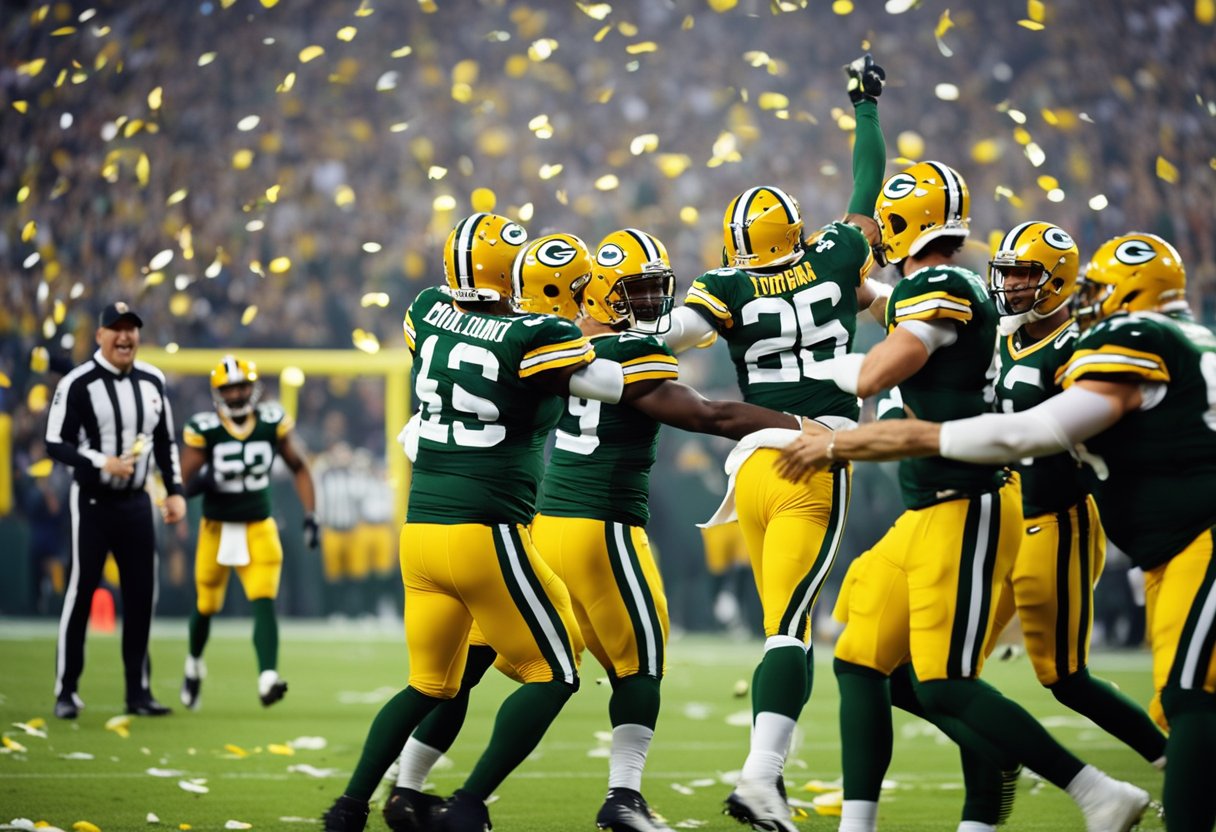
The Green Bay Packers have built an impressive legacy of success that spans over a century. Their achievements on the field have created a special bond with fans and cemented their place in NFL history.
Championship History
The Packers boast an incredible championship pedigree with 13 total championships, more than any other NFL franchise. This includes four Super Bowl victories – Super Bowls I, II, XXXI, and XLV.
The team’s golden era came under coach Vince Lombardi in the 1960s, when they won five NFL championships in seven years.
The Packers won the first two Super Bowls in 1967 and 1968, establishing themselves as early NFL powerhouses.
After a championship drought in the 1970s and 1980s, the Packers returned to glory in the 1990s with a Super Bowl XXXI victory. Their most recent championship came in 2011 with a win in Super Bowl XLV.
Noteworthy Figures
Vince Lombardi transformed the Packers from a struggling team to a dynasty. His leadership and coaching philosophy continue to influence the sport today, and the Super Bowl trophy bears his name.
Bart Starr, the legendary quarterback, led the team during the Lombardi era. He was MVP of the first two Super Bowls and exemplified the precision and discipline that defined those championship teams.
Other Packers legends include Reggie White, Brett Favre, and Aaron Rodgers. These stars helped maintain the winning tradition that makes the Packers special despite being the NFL’s smallest market team.
The team’s success has helped strengthen the unique community ownership model, allowing the franchise to thrive where others might have relocated.
Stadium Information
The iconic home of the Green Bay Packers features a rich history and unique ownership structure that reflects the team’s community roots.
Lambeau Field History and Features
Lambeau Field, originally named City Stadium, opened in 1957 and has become one of football’s most legendary venues.
The stadium is jointly owned by the City of Green Bay and the Stadium District, with the Packers leasing the facility from both entities.
The city of Green Bay maintains a strong position regarding ownership rights. In fact, city officials have stated that “the city of Green Bay owns the entire stadium. Everything on it and in it is owned by the city.”
The stadium has undergone several major renovations while preserving its historic character.
Its famous bowl design and outdoor seating create the perfect backdrop for the “Frozen Tundra” experience that fans love.
With a seating capacity over 81,000, Lambeau ranks among the NFL’s largest stadiums despite being in the league’s smallest market.
Stadium Tours and Fan Experience
Lambeau Field offers fans much more than just game day experiences.
Year-round stadium tours give visitors behind-the-scenes access to areas including the field, luxury boxes, and team facilities.
The Packers Hall of Fame, located inside the stadium, celebrates the team’s storied history with interactive exhibits and memorabilia.
Fans can explore displays highlighting the team’s championship seasons and legendary players.
The Atrium serves as a hub for shopping, dining, and special events.
The Packers Pro Shop offers the largest selection of team merchandise anywhere.
On game days, the atmosphere becomes electric with traditions like the “Lambeau Leap,” where players jump into the stands after scoring touchdowns.
Tailgating in the surrounding parking lots has become an art form for dedicated fans.
The stadium’s economic impact extends well beyond game days, serving as a year-round tourist attraction and community gathering place.