
Have you ever wondered who’s behind the world-class luxury experience at your favorite high-end hotel?
Four Seasons Hotels and Resorts, known for exceptional service and opulent accommodations worldwide, has an interesting ownership structure that might surprise you. The luxury hotel chain is primarily owned by Bill Gates through Cascade Investment (47.5%) and Saudi Prince Al-Waleed bin Talal through Kingdom Holding Company (47.5%), with founder Isadore Sharp retaining a 5% ownership stake.
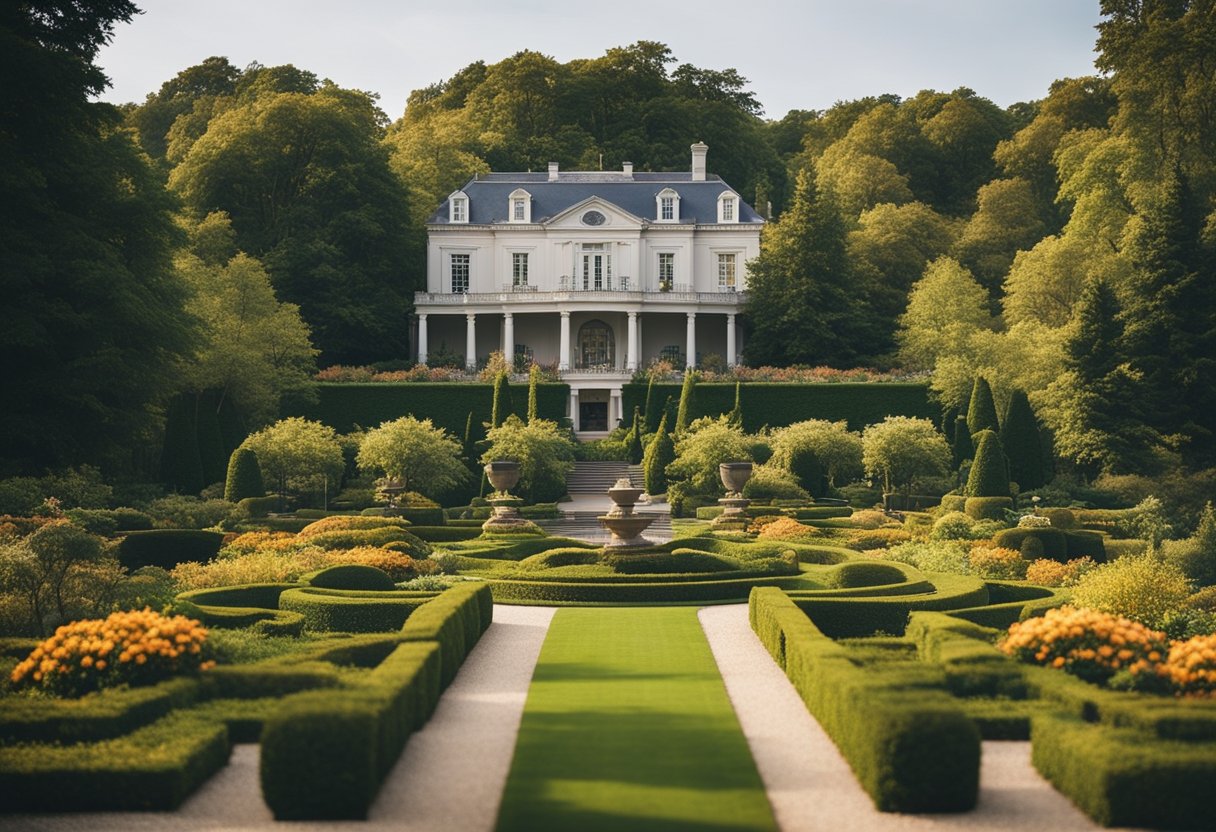
The ownership shifted significantly in 2021 when Bill Gates’ investment firm paid $2.21 billion for a controlling stake in the company.
Despite these changes at the top, Four Seasons has maintained its commitment to luxury and exceptional guest experiences. Sharp, who founded the company, took Four Seasons private along with a group of investors, maintaining the brand’s reputation for creating “exceptional experiences” in the hospitality industry.
Key Takeaways
- Bill Gates and Prince Al-Waleed bin Talal own a combined 95% of Four Seasons, with founder Isadore Sharp retaining 5% ownership.
- Four Seasons transitioned from a public company to private ownership while maintaining its luxury brand standards.
- The hotel chain continues its founder’s vision of exceptional guest experiences despite changes in its ownership structure.
History of Four Seasons
Four Seasons Hotels and Resorts has a rich history dating back to the 1960s, shaped by its visionary founder and a commitment to luxury service. The company evolved from a single motel to become a global leader in premium hospitality.
Founder Isadore Sharp
Isadore “Issy” Sharp began his career as an architect and builder, not planning to create a hotel empire.
Working with his father, he opened the first Four Seasons, a motor hotel in Toronto, Canada in the early 1960s.
Sharp’s vision was different from traditional hotels. He believed in creating medium-sized hotels with exceptional service, making guests feel special and valued.
Under his leadership, the company created a unique culture focused on the Golden Rule – treating others as you wish to be treated. This philosophy became the foundation of their service approach.
Today, while Sharp retains about 5% ownership, the majority of Four Seasons is owned by Bill Gates’ Cascade Investment and Prince Al-Waleed bin Talal’s Kingdom Holding Company, which each hold 47.5% of the company.
Innovation and Expansion
Four Seasons revolutionized the hotel industry with several innovations that became industry standards. They were among the first luxury hotels to offer shampoo in bathrooms, 24-hour room service, and overnight laundry service.
The company expanded steadily through the 1970s and 1980s, opening new properties while maintaining their focus on mid-sized luxury hotels. Their expansion strategy targeted key business centers and resort destinations worldwide.
Four Seasons’ business model evolved to focus primarily on managing properties rather than owning them. This approach allowed faster growth while maintaining strict quality control.
By the 1990s, Four Seasons had established itself as a premier luxury brand. Their Toronto headquarters became the nerve center for a growing global operation that never compromised on service standards.
Milestones in Europe and Asia
Four Seasons made its European debut in London, bringing its distinctive North American service style to a continent known for traditional luxury. The company adapted its approach to respect local cultures while maintaining its core service values.
Asian expansion followed, with landmark properties in places like Bangkok, Tokyo, and Singapore. Each hotel incorporated local architectural elements and cultural touches while delivering consistent Four Seasons service.
The 1990s and early 2000s saw accelerated growth across Asia as economic development created new markets for luxury hospitality. Four Seasons positioned itself as the premier choice for both business and leisure travelers.
In 2016, businessman Shad Khan purchased full ownership of Four Seasons Hotel Toronto, though this didn’t affect the overall corporate ownership structure. The brand continues to expand in key markets worldwide, including recent developments in Asia and Europe.
Four Seasons Ownership
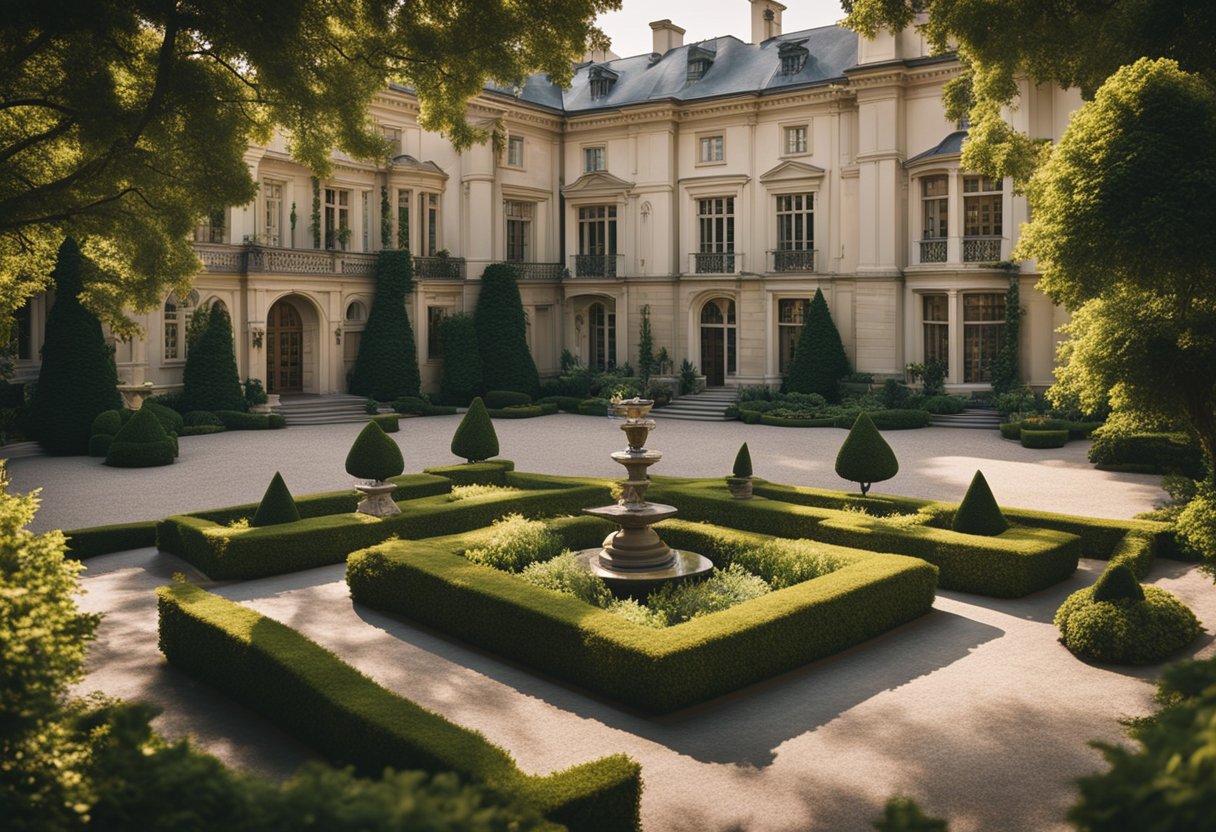
Four Seasons Hotels and Resorts has a complex ownership structure that has evolved over time. The luxury hotel chain is currently controlled by a small group of powerful investors who have shaped its growth and development.
Kingdom Holding Co and Prince Al-Waleed Bin Talal’s Involvement
Prince Al-Waleed Bin Talal, through his company Kingdom Holding Co, has been a major investor in Four Seasons for many years. Before recent changes, Kingdom Holding owned approximately 47.5% of the luxury hotel chain, making it one of the largest shareholders.
The Saudi prince’s investment helped Four Seasons expand its portfolio of luxury properties worldwide. This includes flagship hotels in major cities like London, New York City, Los Angeles, and San Francisco.
Kingdom Holding’s involvement provided Four Seasons with stability and connections to wealthy clients from the Middle East. Even after recent ownership changes, Prince Al-Waleed and Kingdom Holding maintain a significant, though reduced, stake in the company.
Bill Gates and Cascade Investment’s Stake
Bill Gates, through his investment company Cascade Investment, has dramatically increased his ownership in Four Seasons.
In 2021, Cascade Investment agreed to acquire a controlling stake in the luxury hotel chain. This major deal involved Cascade Investment paying $2.21 billion to increase their ownership position. The transaction made Gates’ investment firm the majority shareholder in Four Seasons.
Before this deal, Cascade already owned 47.5% of Four Seasons, equal to Kingdom Holding’s stake. With the new acquisition, Cascade Investment’s ownership increased to nearly 75% of the company.
Recent Changes in Ownership Structure
The most significant recent change came when Bill Gates’ Cascade Investment became the majority shareholder of Four Seasons in 2021. This shifted control away from the previous equal partnership between Gates and Prince Al-Waleed.
Despite these changes, Four Seasons founder Isadore Sharp retained his 5% stake through Triples Holdings Limited. Sharp founded the company and maintained some involvement in operations even after selling majority control.
The current ownership breakdown stands at approximately:
- Cascade Investment (Bill Gates): 71.25%
- Kingdom Holding (Prince Al-Waleed): 23.75%
- Triples Holdings (Isadore Sharp): 5%
This ownership structure supports Four Seasons’ continued expansion into new markets while maintaining its reputation for luxury service.
Luxury Services and Amenities
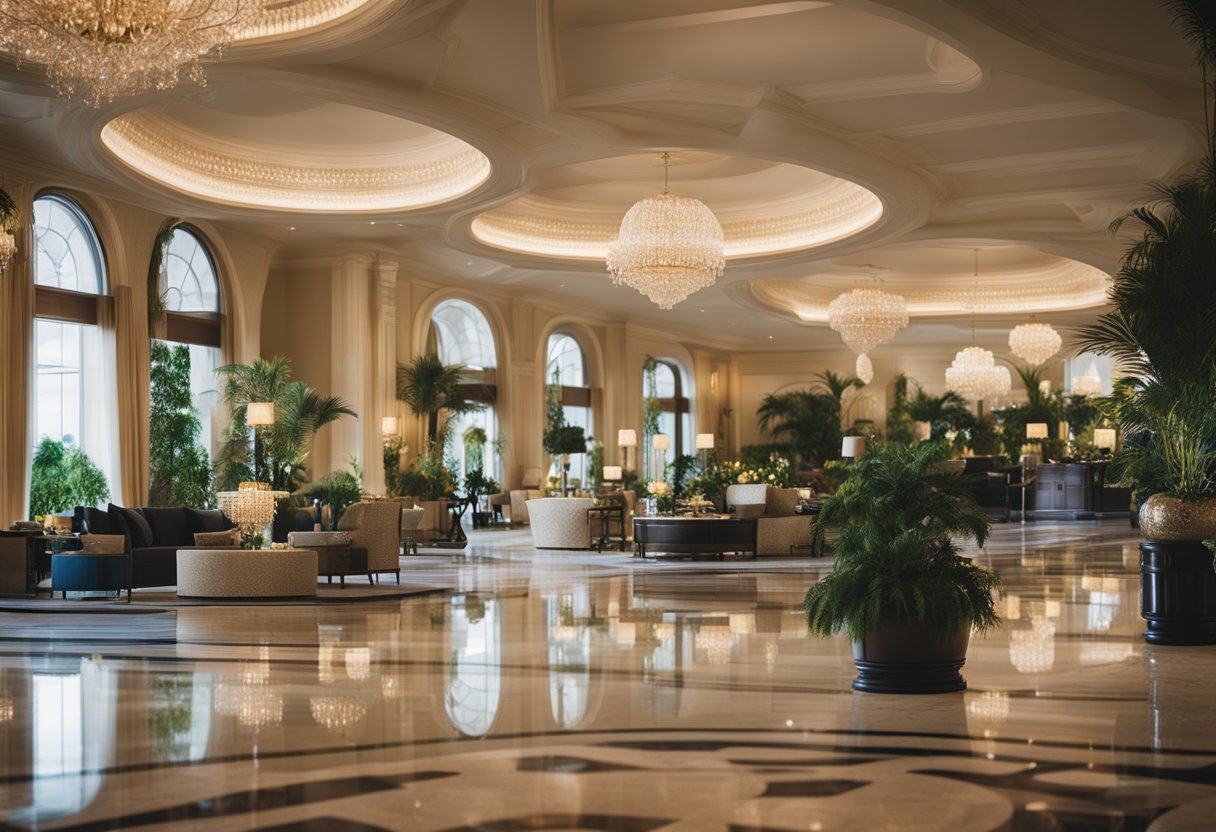
Four Seasons has built its reputation on exceptional service and luxurious offerings that create memorable experiences for guests worldwide. Their commitment to excellence extends beyond traditional hotel stays to include private residences and innovative hospitality solutions.
The Four Seasons Experience
The essence of Four Seasons lies in its personalized approach to luxury hospitality. Staff members are trained to anticipate guest needs and provide attentive service without being intrusive.
Four Seasons hotels feature world-class spas and lavish amenities that cater to discerning travelers.
Their properties typically offer multiple dining options with menus created by renowned chefs using locally-sourced ingredients.
Each property reflects its unique location while maintaining the brand’s signature quality standards. Whether in urban centers or exotic destinations, Four Seasons creates environments that balance luxury with authentic local experiences.
The brand’s dedication to service excellence has earned them numerous industry awards and remarkable guest loyalty over decades of operation.
Four Seasons Private Residences
For those seeking a more permanent Four Seasons lifestyle, the company offers luxury private residences in some of the world’s most desirable locations.
These exclusive homes provide owners with the same exceptional service found in Four Seasons hotels. Residents enjoy curated amenities and a service-rich environment that defines aspirational living.
Private residence offerings include standalone properties that are professionally managed and operated by Four Seasons. This ensures consistent quality and service excellence for homeowners.
The development in Nashville exemplifies this concept with 143 private residences complementing its 236-room hotel. These properties often feature exclusive amenities not available to hotel guests.
Innovative Service Offerings
Four Seasons continuously evolves its service model to meet changing luxury consumer preferences. Their innovations often set industry standards that competitors strive to match.
The brand has embraced technology to enhance guest experiences without sacrificing the human touch. Their mobile app allows guests to customize stays, make requests, and access services with convenience and efficiency.
Four Seasons extends beyond traditional hotels with their luxury journeys program. These curated travel experiences combine stays at multiple Four Seasons properties with exclusive activities and transportation.
The company’s approach to training creates remarkable consistency across global locations. Whether in Bangkok or Boston, guests can expect the same level of attentive service and quality that defines the Four Seasons experience.
Financial Overview
Four Seasons Hotels and Resorts maintains a significant enterprise value despite recent market challenges. The luxury hotel chain has seen ownership changes and financial adjustments as it navigates the evolving hospitality landscape.
Enterprise Value and Investments
The Four Seasons brand commands substantial financial worth in the luxury hotel market.
In a major ownership shift, Cascade Investment (Bill Gates’ investment company) increased its stake to become the majority shareholder of Four Seasons Hotels for over $2 billion.
This transaction involved purchasing Kingdom Holding Company’s 23.75% interest for $2.21 billion, demonstrating strong confidence in the brand’s value.
Isadore Sharp, the founder of Four Seasons, and his family holding company continue to maintain a stake in the business. The company operates under a private equity-backed structure, providing financial stability while allowing for strategic long-term planning.
The investment approach reflects belief in the premium positioning of Four Seasons in the hospitality market, with backers viewing the brand as having sustainable value despite industry fluctuations.
Impact of the Pandemic on Occupancy Rates
The COVID-19 pandemic severely impacted the luxury hotel industry, including Four Seasons properties worldwide.
Occupancy rates plummeted during travel restrictions and lockdowns, particularly affecting urban locations.
Four Seasons responded by implementing enhanced health protocols and flexible booking policies to rebuild consumer confidence. The company also pivoted toward domestic travelers and “staycation” packages when international travel declined.
Recovery patterns have varied by region, with resort destinations rebounding faster than business-centered urban properties. The pandemic accelerated certain trends, including contactless service delivery and heightened health safety measures that required additional investment.
While exact occupancy figures aren’t publicly disclosed, the continued investment in the brand suggests confidence in recovery and long-term viability despite these temporary setbacks.
Long-term Economic Outlook
Four Seasons’ economic future appears promising as luxury travel continues to recover. The company’s focus on ESG (Environmental, Social, and Governance) initiatives demonstrates a commitment to sustainable business practices that appeal to modern luxury travelers.
The brand continues to expand its global footprint with new property developments, indicating confidence in long-term growth. Its asset-light management model, where Four Seasons manages properties rather than owning them outright, provides flexibility during economic fluctuations.
Revenue diversification into branded residences has created additional income streams less dependent on travel patterns. This strategy has proven especially valuable during market disruptions.
Industry analysts predict that ultra-luxury travel will return to pre-pandemic levels faster than other segments, benefiting Four Seasons’ premium positioning. The company’s reputation for exceptional service continues to command premium pricing, supporting strong financial performance.
Properties and Locations
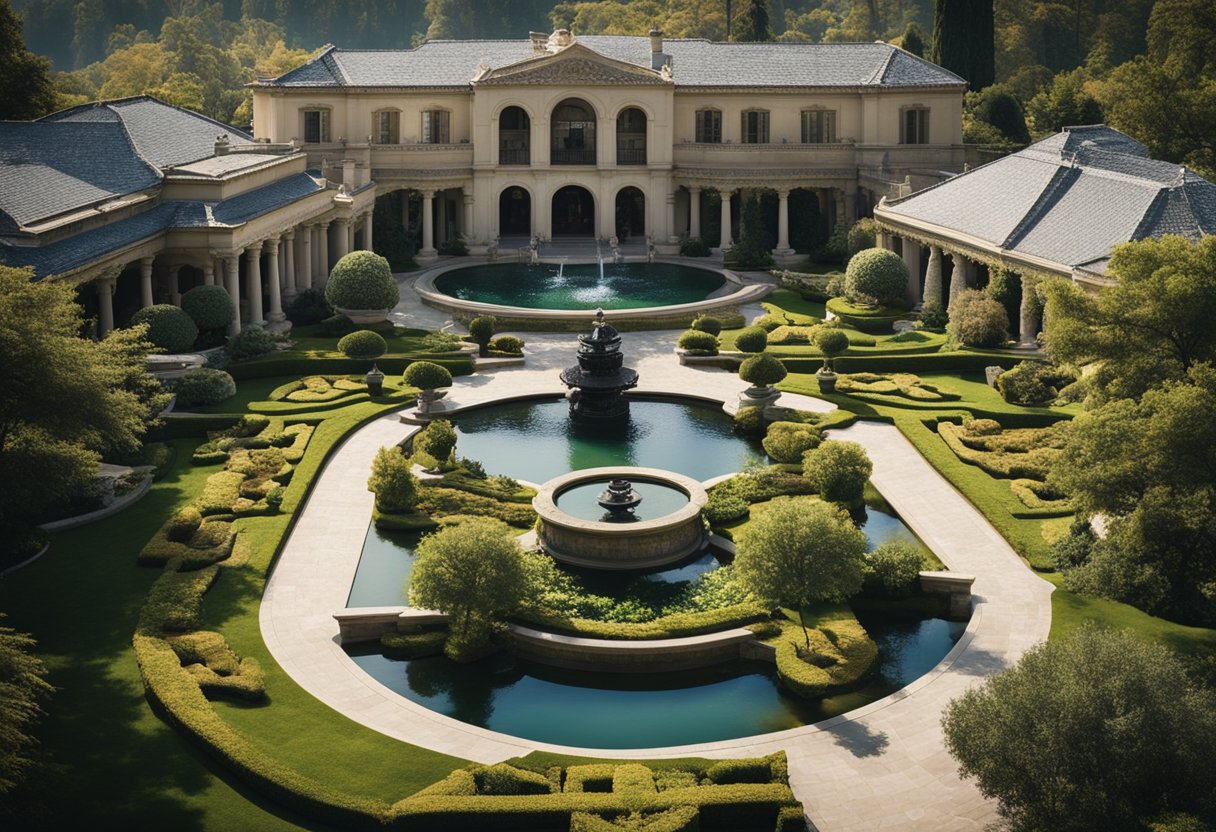
Four Seasons has built an impressive portfolio of luxury hotels and resorts across the globe, serving guests on every continent except Antarctica. The brand continues to expand into new markets while maintaining its flagship properties in iconic destinations.
Iconic Four Seasons Destinations
The Four Seasons Resort Orlando stands as one of the brand’s crown jewels, offering luxury accommodations near Walt Disney World with a five-acre water park and championship golf course. This family-friendly destination blends sophisticated service with playful amenities.
In Vail, Colorado, the Four Seasons provides a mountain retreat that caters to both winter sports enthusiasts and summer adventurers. The property features rustic-elegant decor and world-class spa facilities that reflect its alpine setting.
Manhattan’s Four Seasons Hotel New York delivers urban sophistication with stunning city views and proximity to Central Park. The I.M. Pei-designed building has become a landmark in the city’s skyline.
The historic Four Seasons Biltmore Santa Barbara offers Spanish Colonial architecture alongside California coastline. Its beachfront location and botanical gardens make it a timeless retreat.
Emerging Markets and New Developments
Four Seasons has actively expanded beyond traditional luxury markets. The company now welcomes guests to 50 properties globally, with significant growth in Asia and the Middle East.
The brand has embraced mixed-use developments that combine hotels with branded residences. This strategy has proven successful as travelers seek home-like accommodations with hotel amenities. Bill Gates’ increased investment signals confidence in this approach to luxury travel’s future.
Four Seasons Private Residences have become increasingly important to the company’s expansion model. These properties offer homeowners the impeccable service standards of Four Seasons while providing the company with additional revenue streams.
Recent openings in emerging luxury markets include properties in Vietnam, Turkey, and Saudi Arabia. These locations represent the brand’s commitment to bringing its hospitality standards to new destinations.
The Ritz-Carlton and Marrakesh Arrivals
While Four Seasons and Ritz-Carlton remain competitors in the luxury hospitality space, both brands have pursued similar expansion strategies. The Ritz-Carlton maintains over 100 properties worldwide compared to Four Seasons’ more curated portfolio.
Marrakesh represents an exciting new frontier for Four Seasons with its recent Moroccan property. The resort blends traditional Moroccan design elements with contemporary luxury, featuring private riads, expansive gardens, and authentic dining experiences.
The Marrakesh property showcases Four Seasons’ approach to cultural integration, where local architecture and customs are honored while maintaining brand standards. This balance helps create authentic experiences that appeal to luxury travelers seeking both comfort and cultural immersion.
Both Four Seasons and competitors like Ritz-Carlton have recognized Morocco’s potential as a luxury travel destination. The country’s rich history, cuisine, and architecture provide an ideal backdrop for high-end hospitality experiences.
Corporate Leadership

Four Seasons Hotels and Resorts operates under a leadership structure that balances founding vision with modern corporate governance. The company’s executive team guides its global luxury hospitality operations while maintaining its founding principles.
Chairman’s Vision and Leadership
Isadore Sharp, the Founder and Chairman of Four Seasons Hotels & Resorts, established the company with a clear vision for luxury hospitality. His leadership philosophy centers on treating people well, which remains a core value of the organization.
Sharp founded Four Seasons in 1960 and built it into a global luxury brand. His approach to hospitality prioritizes exceptional personalized service.
Under his guidance, Four Seasons developed its distinctive brand identity focused on quality and guest experience. Sharp’s leadership established the company’s reputation for excellence in the luxury hotel market.
His continued presence as Chairman provides stability and continuity to the company’s vision and values. Sharp’s influence remains evident in the company’s commitment to quality and service excellence.
Executive Team and Corporate Governance
The current operational leadership of Four Seasons is headed by Alejandro Reynal, who serves as President and Chief Executive Officer. Reynal is responsible for advancing Four Seasons’ position as the world’s leading luxury hospitality company.
Reynal brings considerable experience to his role. Before joining Four Seasons, he held leadership positions in other companies. He earned his education at Harvard, which has helped shape his leadership approach.
The executive team supports Reynal in implementing the company’s strategies and maintaining its high standards. Their corporate governance model balances shareholder interests with the company’s long-term vision.
One of Reynal’s key values, both personally and professionally, echoes Sharp’s founding principle: treating people well leads to exceptional service. This continuity in values helps maintain Four Seasons’ distinctive culture.
Sustainability and Social Responsibility

Four Seasons Hotels and Resorts emphasizes environmental protection and community support as core values. The luxury hotel chain implements various initiatives that demonstrate their commitment to creating a positive impact beyond providing exceptional hospitality services.
Environmental Commitments
Four Seasons focuses on designing sustainable environments and minimizing their ecological footprint across their global properties. They actively participate in the American Hotel and Lodging Association’s (AHLA) Sustainability Committee, working with industry leaders to develop best practices.
Their environmental strategy includes:
- Reducing waste through innovative programs
- Lowering energy consumption and water usage
- Supporting responsible businesses and suppliers
- Promoting sustainable food harvesting methods
Four Seasons uses its purchasing power strategically to support eco-friendly products and services. Many properties have implemented renewable energy solutions and water conservation technologies to decrease resource consumption.
Community Involvement and Giving Back
Four Seasons is deeply committed to the communities where they operate. They create programs that address local needs and contribute to community wellbeing through various initiatives.
Their approach includes:
- Supporting local charities and organizations
- Engaging employees in volunteer opportunities
- Creating educational programs for community members
- Preserving cultural heritage in their locations
The company’s Four Seasons for Good program showcases their dedication to community preservation alongside environmental efforts. They often partner with local social enterprises to create sustainable economic opportunities in their host communities.
Many Four Seasons properties also organize fundraising events and donation drives throughout the year. These activities help support important causes while engaging guests in their corporate responsibility mission.
The Four Seasons Brand
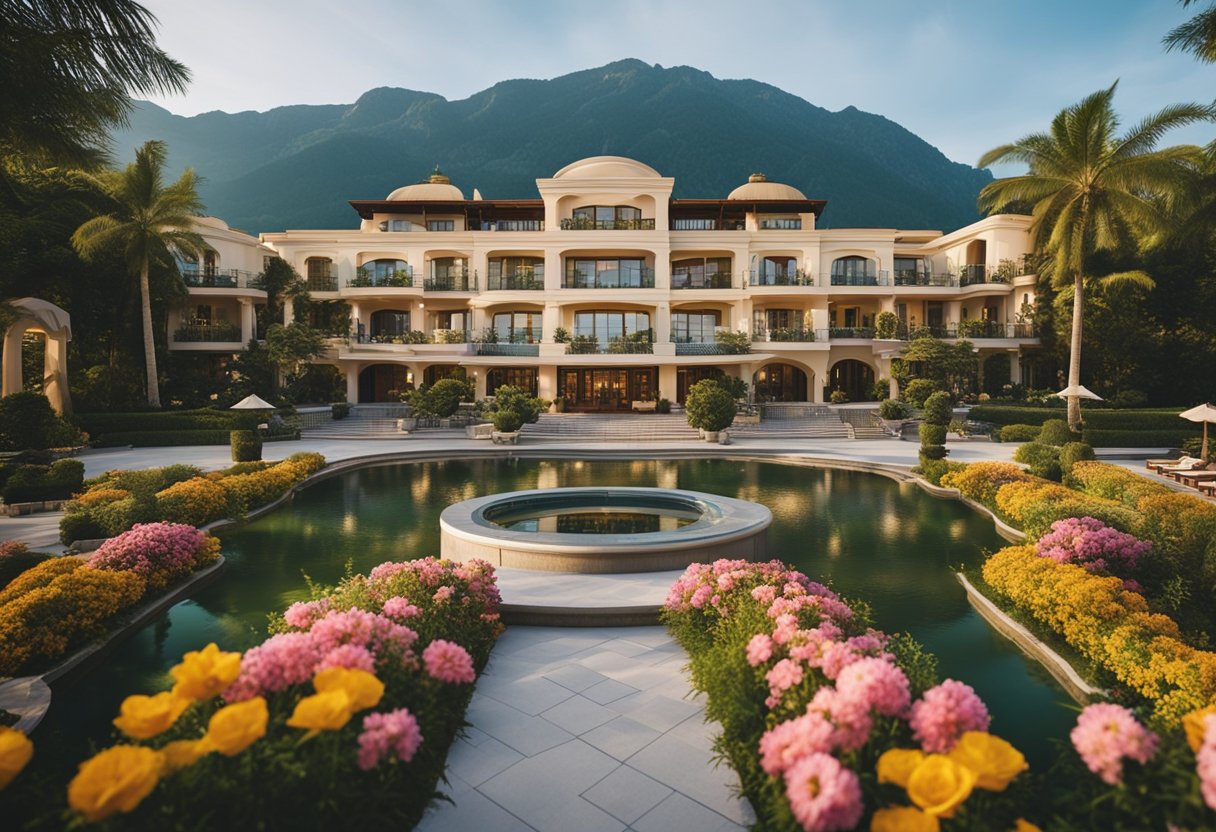
The Four Seasons brand represents luxury hospitality with a commitment to exceptional service and personalized experiences. Bill Gates’ investment firm Cascade Investment LLC has shown strong confidence in the brand’s value.
Brand Recognition and Awards
Four Seasons Hotels and Resorts is widely recognized as one of the world’s most prestigious hospitality brands. The company has built its reputation on delivering consistently high-quality experiences across its global portfolio of properties.
Many Four Seasons hotels regularly receive five-star ratings from Forbes Travel Guide, often dominating the luxury hotel category. Their properties frequently appear on World’s Best lists in major travel publications.
The brand’s recognition stems from its founder Isadore Sharp’s vision. He established a company culture centered on the “Golden Rule” – treating others as you wish to be treated.
This philosophy has helped Four Seasons earn loyalty from wealthy travelers and celebrities who value privacy, personalized service, and attention to detail.
Marketing and Brand Strategy
Four Seasons employs a marketing strategy that emphasizes authentic luxury experiences rather than flashy advertising. They focus on creating emotional connections with guests through personalized service.
Their digital strategy includes beautiful imagery of their properties, insider guides to destinations, and content that highlights unique local experiences. The brand maintains a consistent visual identity across all platforms.
Four Seasons targets affluent travelers through partnerships with luxury brands. They also offer exclusive experiences only available to guests and loyalty programs that offer meaningful benefits.
The company also leverages guest feedback to refine offerings. Their marketing emphasizes the human element of hospitality, showcasing the dedicated staff who create memorable stays.
This approach has helped Four Seasons maintain its position as a leading luxury hotel brand.


