
Have you ever wondered who actually owns those iconic headphones with the lowercase “b” logo? Beats by Dre started as a collaboration between music producer Dr. Dre and record executive Jimmy Iovine back in 2006.
The company quickly became famous for its stylish headphones and powerful bass sounds.
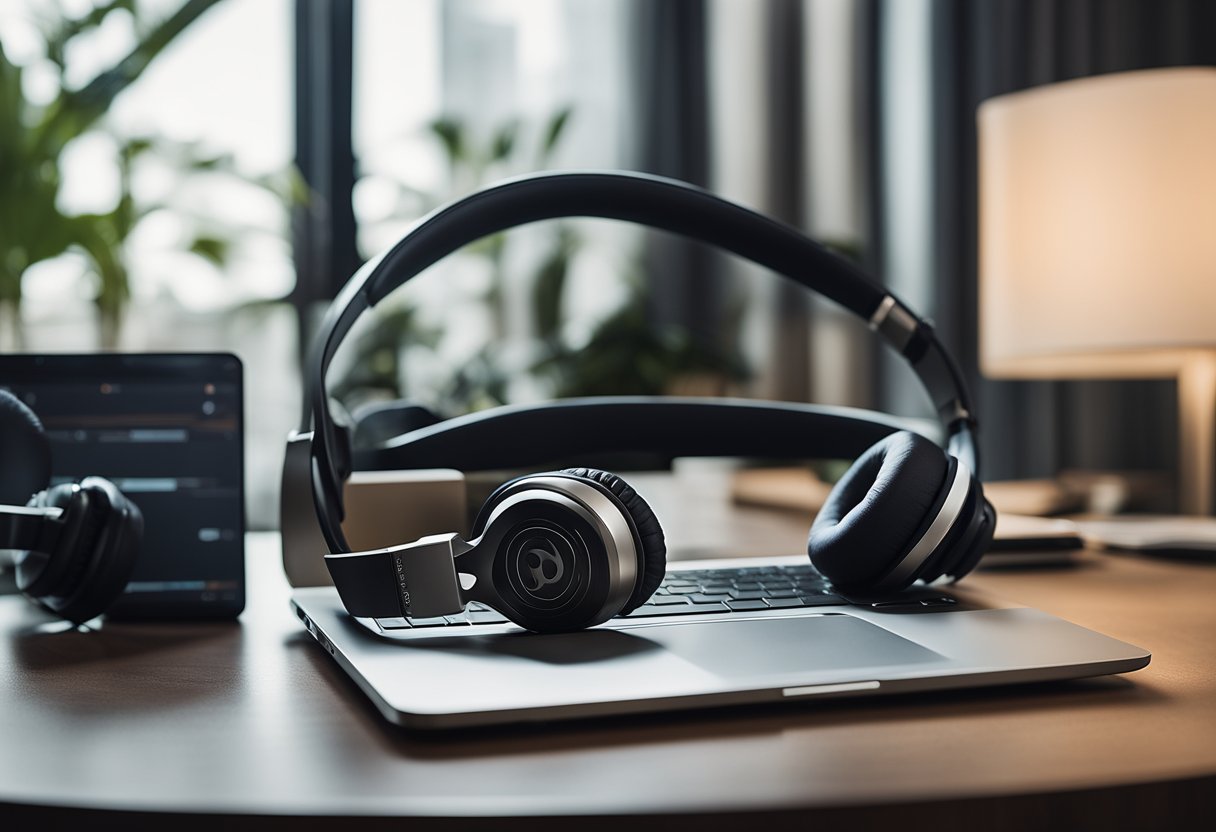
Since 2014, Beats Electronics has been a subsidiary of Apple Inc., which acquired the company for $3 billion. This purchase was one of Apple’s largest acquisitions ever and brought both the hardware business and Beats Music streaming service under Apple’s control.
Before the Apple deal, Beats had various investors including billionaire Len Blavatnik, who also owns Warner Music Group.
The Apple acquisition has allowed Beats to maintain its distinct brand identity while benefiting from Apple’s resources and technology. Today, Beats continues to produce popular headphones and audio products while operating under the Apple umbrella, combining Dr. Dre’s musical expertise with Apple’s tech innovation.
Key Takeaways
- Beats Electronics was founded in 2006 by Dr. Dre and Jimmy Iovine as a premium audio brand focused on headphones.
- Apple purchased Beats for $3 billion in 2014, making it a wholly-owned Apple subsidiary.
- Despite the acquisition, Beats maintains its distinct brand identity while leveraging Apple’s technology and distribution networks.
History of Beats by Dre
Beats by Dre has an interesting origin story that combines music industry expertise with celebrity influence. The brand revolutionized how people think about headphones and audio products.
Founding by Dr. Dre and Jimmy Iovine
Beats by Dre was founded in 2006 by hip-hop legend Dr. Dre (Andre Young) and music industry veteran Jimmy Iovine. The duo saw a gap in the audio market where sound quality was being sacrificed for convenience.
Dr. Dre, famous for his work with N.W.A and as a solo artist, wanted to create headphones that reproduced the sound that artists and producers hear in recording studios. Jimmy Iovine, the co-founder of Interscope Records, brought his business expertise to the partnership.
The first Beats headphones hit the market in 2008. They featured bold designs and emphasized bass-heavy sound profiles that particularly complemented hip-hop music.
Rise in Popularity and Hip-Hop Influence
Beats quickly gained popularity through clever marketing and celebrity endorsements. The brand became a cultural phenomenon in the music and fashion worlds.
Many famous musicians, athletes, and actors were spotted wearing the distinctive headphones. This helped create a premium image for the brand despite mixed reviews from audio purists.
The company expanded its product line beyond the original Studio headphones to include earbuds, wireless options, and portable speakers. By 2012, Beats controlled a significant portion of the premium headphone market.
In 2014, Apple acquired Beats for approximately $3 billion, marking one of the largest acquisitions in Apple’s history. This deal included both the hardware division and the Beats Music streaming service.
Apple’s Acquisition of Beats
In 2014, Apple made one of its most significant business moves by purchasing Beats Electronics for $3 billion. This deal brought the popular headphone brand and streaming service under Apple’s control, transforming both companies and reshaping the music industry landscape.
The Deal Behind the Acquisition
Apple officially announced its acquisition of Beats on May 28, 2014. The purchase price was initially reported as $3.2 billion but finalized at $3 billion. This included approximately $2.6 billion upfront with the remainder paid over time.
The deal brought both Beats Electronics (the headphone business) and Beats Music (the streaming service) under Apple’s umbrella. More importantly, it also brought in the company’s founders – Jimmy Iovine, the Interscope Records co-founder, and Dr. Dre, the legendary hip-hop producer.
This acquisition helped make Dr. Dre one of the first billionaires in hip-hop, a significant milestone in music industry history.
Impacts on Apple’s Music Strategy
The Beats acquisition marked Apple’s return to the music business in a major way. It signaled Apple’s recognition that the industry was shifting from downloads to streaming.
Before this purchase, Apple had dominated digital music sales through iTunes. However, streaming services like Spotify were gaining popularity, threatening Apple’s position.
By acquiring Beats Music, Apple gained a ready-made streaming platform with industry relationships and expertise. This became the foundation for Apple Music, launched in 2015.
The deal also brought in Beats’ hardware business, expanding Apple’s product lineup with premium headphones and speakers. This complemented Apple’s existing hardware ecosystem.
Integration with Apple Music and iTunes
After the acquisition, Apple worked to integrate Beats’ technology and talent into its existing products. The most visible result was the launch of Apple Music in June 2015, which incorporated much of Beats Music’s functionality.
Apple kept the Beats headphone brand separate, allowing it to maintain its distinct identity while benefiting from Apple’s manufacturing and distribution capabilities. The headphone line continues to be one of Apple’s most successful acquisitions.
Over time, Apple gradually phased out the Beats Music service, transitioning users to Apple Music. However, many Beats Music features like curated playlists lived on in the new service.
The Beats Radio service evolved into Apple Music’s Beats 1 (later renamed Apple Music 1), becoming a cornerstone of Apple’s streaming strategy.
Product Evolution and Innovation
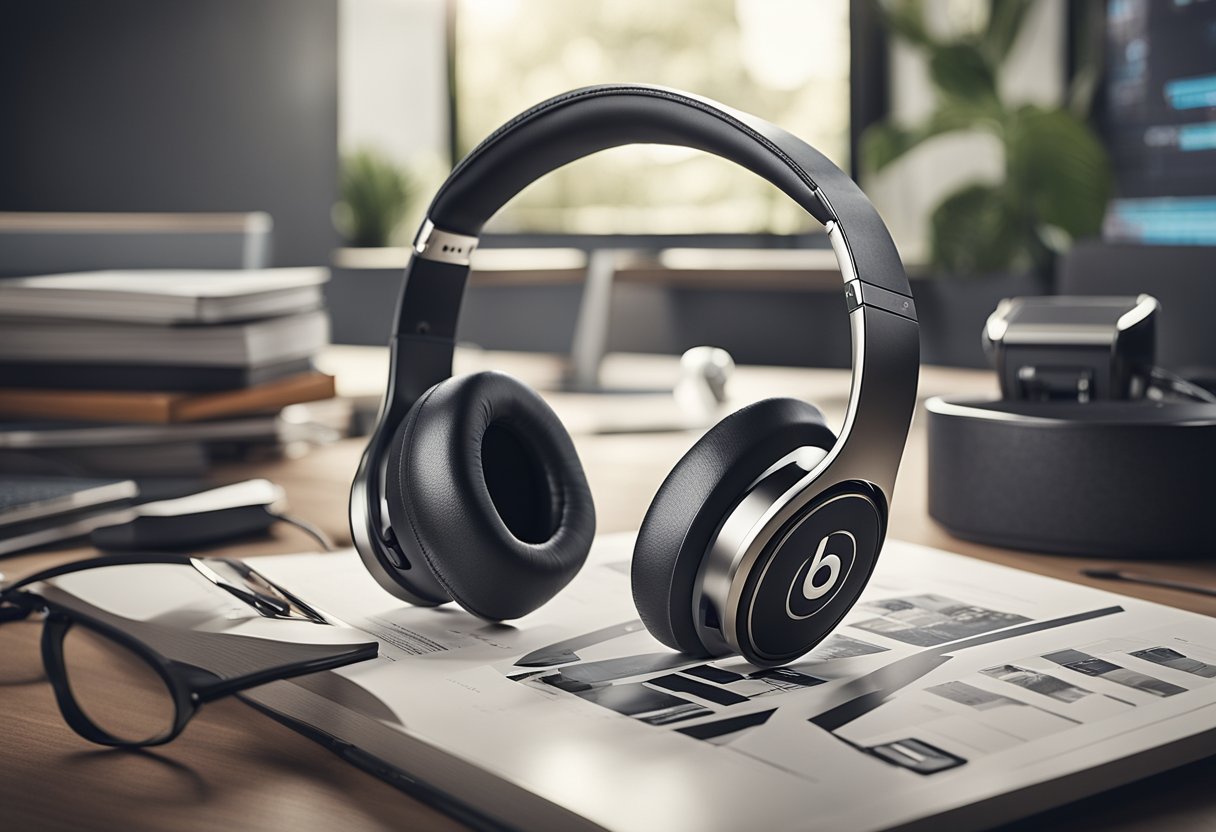
Beats has undergone remarkable transformations since its founding, expanding from headphones to a diverse audio ecosystem. The brand’s journey reflects its commitment to sound quality and cultural relevance.
From Beats Headphones to AirPods
The original Beats Studio headphones launched in 2008, marking the beginning of the company’s audio journey. These over-ear headphones featured the bold design and bass-heavy sound that would become the brand’s signature.
As the product line expanded, Beats introduced various models including the Solo, Mixr, and PowerBeats to serve different consumer needs. Each new generation brought improvements in sound quality, battery life, and design.
After Apple acquired Beats in 2014 for $3 billion, the integration of technologies became evident. Wireless capabilities improved dramatically with the inclusion of Apple’s W1 and later H1 chips.
This technological marriage influenced both brands, with Beats’ design philosophy subtly appearing in AirPods, while Beats products gained Apple’s connectivity features.
Advancements in Music Streaming
Alongside hardware development, Beats Music emerged as the company’s streaming service in 2014. The platform stood out with human-curated playlists and a unique “sentence” feature that created personalized stations.
Beats Music’s innovations didn’t remain independent for long. After the Apple acquisition, the service became the foundation for Apple Music, launched in 2015.
Key features that originated with Beats Music still exist in Apple Music today:
- Expert-curated playlists
- Personalized recommendations
- Artist-focused content
The streaming service evolution demonstrates how Beats’ influence extended beyond hardware into changing how people discover and enjoy music digitally.
Market Position and Competitiveness
Beats by Dre has established itself as a dominant player in the premium headphone market while facing competition from both traditional audio companies and streaming services. Their market strategy focuses on lifestyle branding rather than just technical specifications.
Comparison with Spotify and Other Services
While Beats by Dre started as a headphone brand, it once had its own streaming service called Beats Music. This service later evolved into Apple Music after Apple’s $3 billion acquisition of the company in 2014.
Spotify remains the market leader in music streaming with a larger global subscriber base than Apple Music. However, the connection between Beats hardware and Apple’s ecosystem creates a unique advantage.
The integration of Beats products with Apple services offers seamless connectivity that standalone streaming services like Spotify cannot match. This hardware-software combination helps Beats maintain its premium market position.
Beats’ approach differs from Spotify’s subscription-only model by creating physical products that complement digital services.
Current Trends in Headphone Brands
In the headphone market, Beats continues to be a major player despite increasing competition. The brand successfully positioned itself as a lifestyle product rather than just an audio device.
Beats’ competitive analysis of the market helped them identify a gap for stylish, bass-heavy headphones that appeal to younger consumers and music enthusiasts.
Current trends show competitors like Sony, Bose, and Sennheiser focusing on technical aspects like noise cancellation and sound quality. Meanwhile, Beats continues to emphasize design and cultural relevance.
Celebrity partnerships remain a key marketing strategy that keeps Beats relevant among younger consumers. Athletes and musicians frequently showcase the brand, maintaining its cool factor in a crowded market.
Cultural Impact and Branding
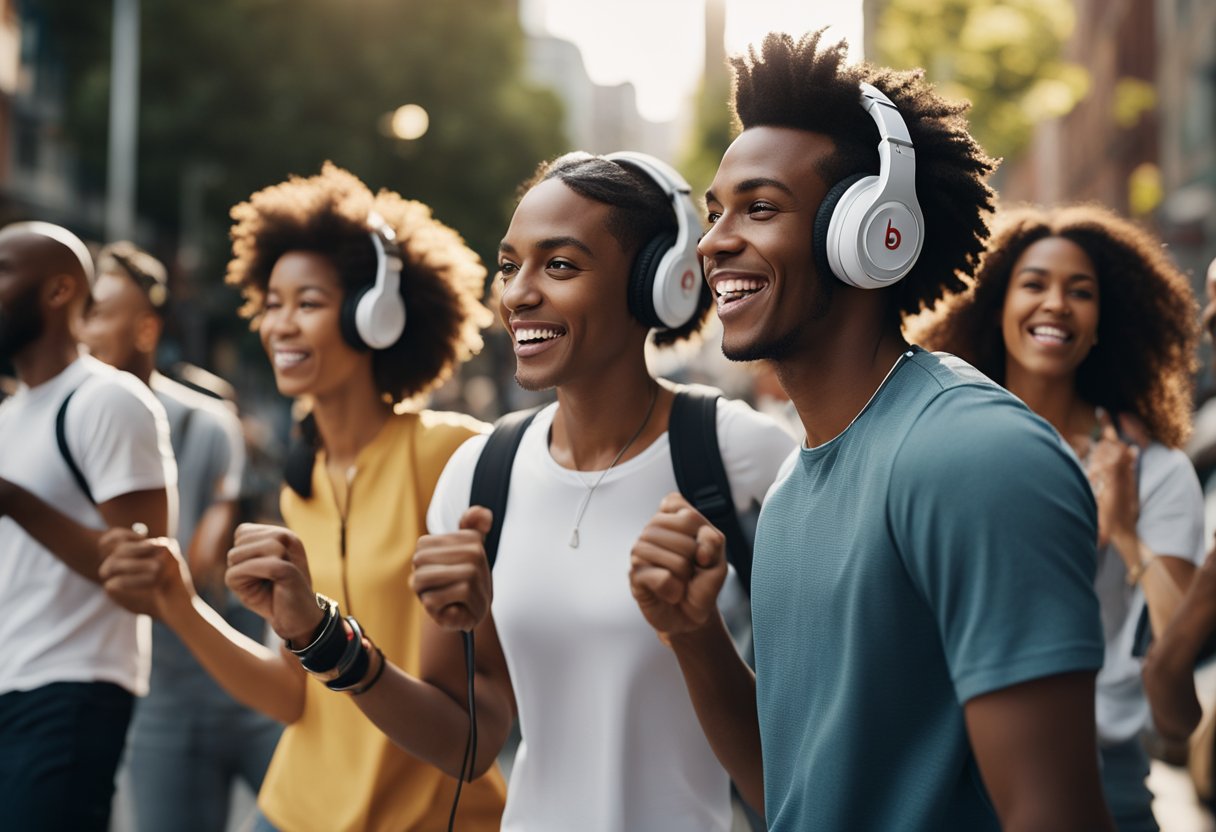
Beats by Dre has transformed from a headphone manufacturer into a cultural phenomenon that shapes both music and fashion landscapes. The brand’s clever positioning and celebrity associations have cemented its status as a lifestyle symbol rather than just an audio product.
Influence on Fashion and Music Culture
Beats headphones quickly became an icon at the center of pop culture, appearing in music videos, red carpets, and major sporting events. Celebrities seen wearing the distinctive headphones helped turn them into a fashion statement rather than just audio equipment.
The brand’s bright colors and bold designs made headphones a fashion accessory for the first time. Athletes, musicians, and actors proudly display their Beats, making them part of their personal style.
Many music producers and artists use Beats in studios, further cementing the connection between the brand and music creation. This connection helps maintain the brand’s authenticity in the music world.
Marketing Strategies and Social Media
Beats built its empire through smart marketing. The company focused on emotion rather than technical specs. Jimmy Iovine and Dr. Dre wanted to bring emotion back to music through their products.
Their campaigns typically feature popular athletes and musicians using the headphones in their natural environments. This approach helped Beats capture over 70% of the market in its category.
Social media plays a huge role in the brand’s success. Beats cleverly uses platforms to showcase celebrity endorsements and create viral moments that resonate with younger audiences.
The marketing approach focuses on the feeling of using Beats rather than technical specifications, appealing to emotion over reason. This strategy has proven incredibly effective at winning customer loyalty.
The Future of Beats by Dre
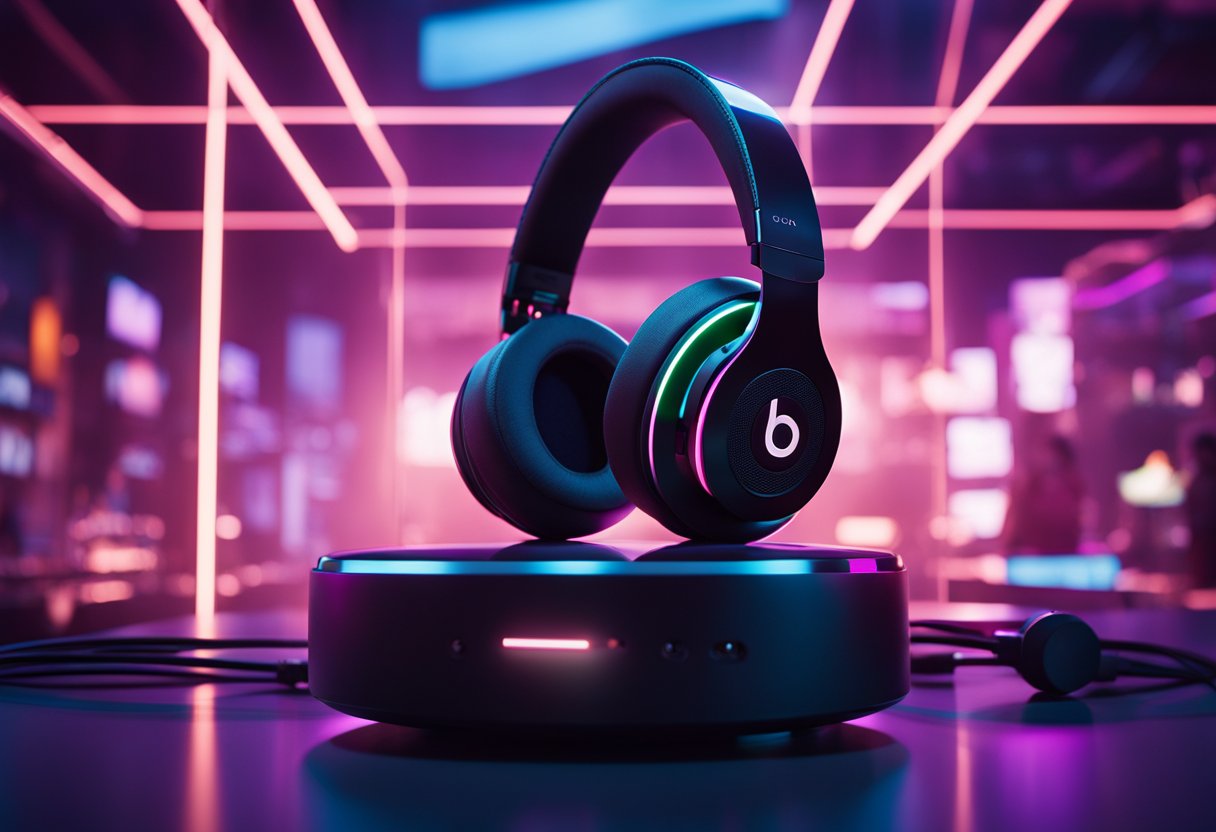
Apple’s ownership has positioned Beats for continued growth in the audio market. The brand remains focused on innovation while expanding its reach through strategic business relationships.
Innovations and Potential Expansions
Beats is likely to continue developing new audio technologies under Apple’s direction. The brand may expand beyond traditional headphones and earbuds into smart home audio systems or specialized sports equipment with integrated audio.
Many industry watchers expect Beats to incorporate more Apple-focused features while maintaining its distinct brand identity. This could include deeper integration with Apple Music and other Apple services.
Health monitoring features might appear in future Beats products, similar to what we’ve seen in Apple Watch. Think heart rate monitoring, activity tracking, or even hearing health features built right into your headphones!
The Cupertino-based parent company will likely continue investing in Beats’ distinctive design aesthetic while improving technical performance.
Strategic Partnerships and Collaborations
Beats has a history of successful collaborations with artists and brands. These partnerships help keep the brand culturally relevant.
Celebrity endorsements remain central to Beats’ marketing strategy. The connection to Dr. Dre and other music industry icons gives Beats cultural credibility that few audio brands can match.
Sports partnerships have been particularly effective for Beats. In the coming years, look for expanded relationships with athletes, teams, and sporting events.
Fashion collaborations could become more common as Beats positions its products as style accessories as much as audio equipment. Limited edition releases with designers or luxury brands would help maintain premium positioning.


