Hermès, one of the world’s most prestigious luxury brands, remains largely owned by the descendants of its founder. The French fashion house was established in 1837 and has stayed mostly in family hands for nearly two centuries.
About 100 heirs of the original Hermès family collectively control more than two-thirds of the company’s shares. This makes it one of the last major family-run luxury brands in the world.

This tight family control became especially notable in recent years when the Arnault family (owners of luxury conglomerate LVMH) acquired a stake of about 1.87% in the company. This move prompted the Hermès family to strengthen their defensive position to maintain independence.
In 2025, these family shareholders are set to receive approximately $5.5 billion in dividends, reflecting the brand’s continued financial success despite economic challenges.
The ownership structure includes notable stakeholders like Nicolas Puech, who holds about 4.9% of shares, and the Fondation Nicolas Puech with approximately 0.85%. This family-first approach to ownership has helped Hermès maintain its unique identity, exclusive craftsmanship, and prestigious position in the luxury market that sets it apart from competitors.
Key Takeaways
- The Hermès family heirs control over two-thirds of the company’s shares, preserving its status as a family-operated luxury house.
- Family shareholders are receiving $5.5 billion in dividends in 2025, demonstrating the brand’s financial strength and market resilience.
- The company’s family-controlled structure has helped maintain Hermès’ distinctive craftsmanship and exclusivity in the competitive luxury sector.
The Founding of Hermès
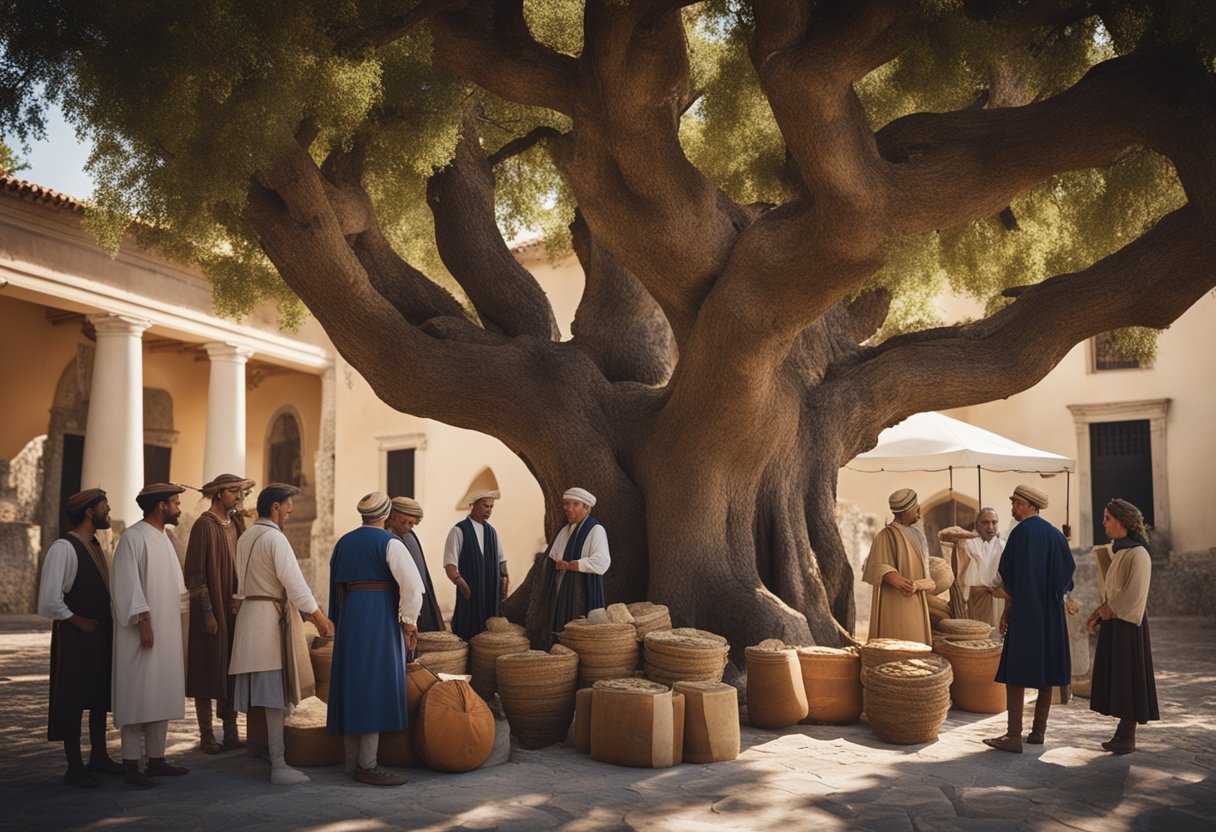
Hermès began as a small harness workshop in Paris, established by a skilled craftsman with German roots. This luxury brand’s story highlights how exceptional craftsmanship and family values created one of the world’s most prestigious fashion houses.
Thierry Hermès and the Legacy
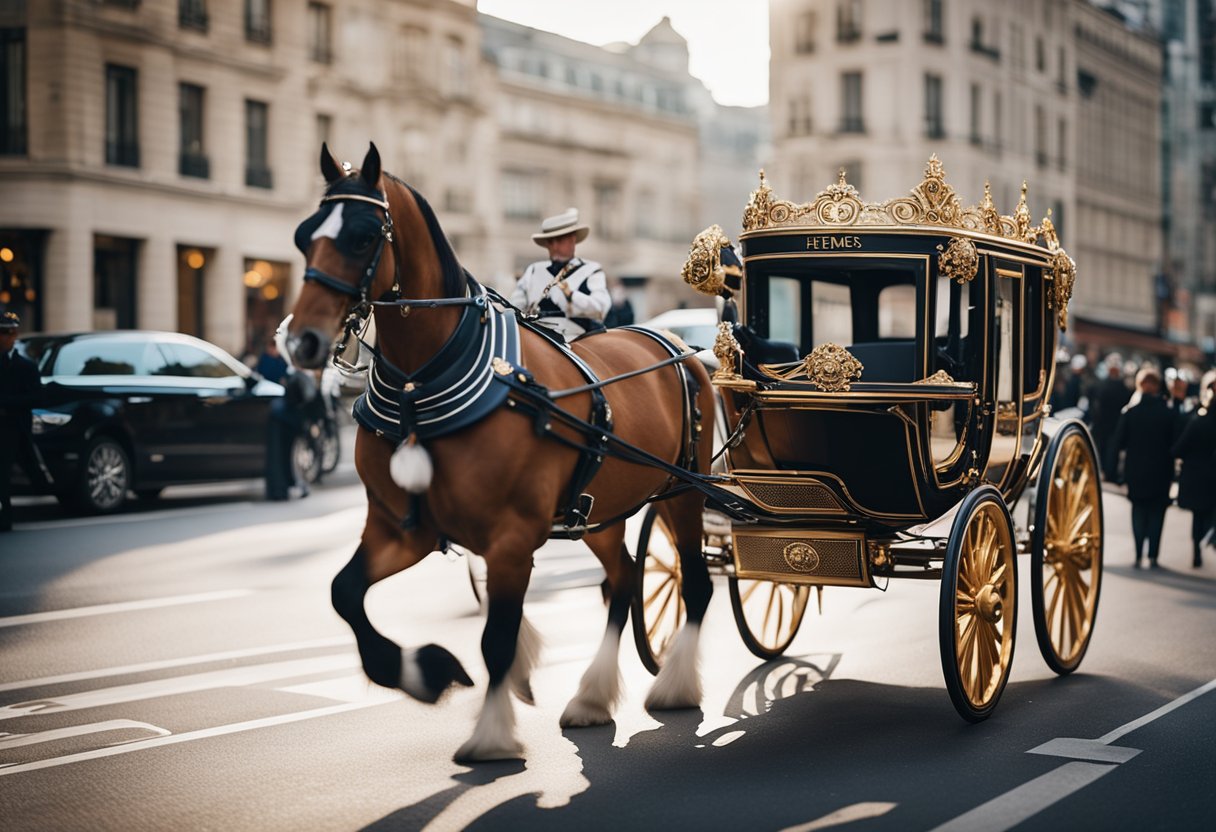
Thierry Hermès, born in 1801 to a German mother and French father, opened his first shop in Paris in 1837. His small harness workshop quickly gained fame for creating high-quality horse harnesses and bridles for European noblemen.
The founder built a strong reputation by focusing on exceptional craftsmanship and decorative details. His dedication to quality established the foundation for what would become one of the world’s most prestigious luxury brands.
Thierry’s vision was simple yet powerful: create the finest leather goods with impeccable workmanship. This commitment to excellence became the cornerstone of the Hermès legacy.
The business remained in family hands, passing through generations. Today, the company is led by Axel Dumas-Hermès, representing the 6th generation of the Hermès family. This makes Hermès one of the oldest family-owned businesses in the luxury sector.
Ownership and Control
Hermès International remains primarily a family-owned business despite its global luxury status. The complex ownership structure has helped the company maintain independence while facing outside acquisition attempts.
The Hermès Family Shareholders
The Hermès family keeps a tight grip on the company that bears their name. Family members currently own about 67% of Hermès, giving them strong control over the business. This family ownership isn’t just symbolic – it drives the company’s long-term approach to business and decision-making.
The family includes descendants of founder Thierry Hermès, with sixth-generation members now involved in the business. Jean Louis Dumas, a great-great-grandson of Thierry, previously led the company and strengthened family control during his tenure.
This family presence isn’t accidental. The governance structure at Hermès is specifically designed to ensure continued family control. This approach has protected the brand’s independence and distinctive luxury strategy for generations.
Kering Versus LVMH
The battle for Hermès shares became dramatic when Bernard Arnault’s luxury group LVMH began acquiring Hermès stock in 2010. This move was viewed by the Hermès family as an unwelcome attempt at a hostile takeover.
LVMH had quietly built up a 17% stake before the Hermès family discovered the maneuver. This triggered immediate defensive actions by family shareholders who saw it as a threat to their independence and heritage.
The conflict highlighted the ongoing consolidation in the luxury industry, with larger conglomerates often acquiring independent brands. Today, LVMH maintains only about 2% ownership in Hermès, while the family has increased their collective stake.
This corporate battle became a defining moment that reinforced the family’s commitment to maintaining control of their luxury house.
The Creation of a Family Trust
To protect against future takeover attempts, the Hermès family established a complex holding structure. They created a family trust that pools their shares and restricts selling to outside parties.
This clever legal arrangement requires family members to offer their shares first to other family shareholders if they wish to sell. The trust effectively blocks outside investors from gaining significant control.
Nicolas Puech, one of the largest individual family shareholders, plays an important role in this ownership structure. The trust arrangement will remain in place until at least 2031, providing long-term protection.
This strategy has been remarkably successful in preserving Hermès as an independent, family-controlled business. It demonstrates how traditional family businesses can use modern financial strategies to protect their heritage while operating as a public company.
Market Performance and Financials
Hermès has shown remarkable financial strength in recent years with significant growth in profits and stock value. The company’s financial success has benefited both the controlling family shareholders and outside investors.
Stock Valuation and Dividends
Hermès International SCA has achieved impressive market performance, cementing its position as a top performer in the luxury industry. As of March 7, 2025, the company’s stock price stands at an impressive $2,720 per share with a market capitalization of $285 billion. This valuation reflects investors’ confidence in Hermès’ business model and growth potential.
The company’s financial results are equally impressive. In 2023, Hermès reported a consolidated net profit of $4.31 billion, representing 32.1% of sales. This marked a substantial 28% increase compared to the previous year.
Hermès is known for its generous dividend policy, rewarding shareholders for their investment. The company regularly distributes a portion of its profits through dividends, making it an attractive option for income-focused investors in the personal luxury goods sector.
The Role of Krefeld Invest
Krefeld Invest serves as a key wealth manager and investment vehicle for many Hermès family shareholders. This entity helps family members manage their shares and coordinate their voting rights in important company decisions.
The importance of such coordination became evident in 2010 when luxury conglomerate LVMH acquired about a 17% stake in Hermès. In response, the family organized through structures like Krefeld Invest to protect their controlling interest.
Family shareholders work through Krefeld to ensure their collective voice remains dominant in company governance. This arrangement has helped Hermès maintain its independence and distinctive approach to luxury goods manufacturing and marketing.
The Bloomberg Billionaires Index regularly tracks the wealth of Hermès family members, with their fortunes closely tied to the company’s stock performance through entities like Krefeld Invest.
Corporate Leadership
Hermès International’s leadership structure combines family control with professional management expertise. The company operates with a dual governance system that maintains the founding family’s influence while ensuring effective business operations.
The Executive Management
Hermès International is led by Axel Dumas, who serves as the Executive Chairman. He comes from the sixth generation of the Hermès family and took on this leadership role to continue the family legacy.
The Executive Committee works alongside Dumas to manage daily operations. This committee includes several key executives like Florian Craen, who oversees Sales and Distribution, and Charlotte David among others.
The management structure ensures that family values remain central to business decisions. This approach has helped Hermès maintain its luxury position even during challenging economic times.
Henri-Louis Bauer also plays a crucial role as Executive Manager and Chairman of Emile Hermès SARL, reinforcing the family’s executive presence in the company.
The Supervisory Board
The Supervisory Board is chaired by Éric de Seynes and provides oversight for the Executive Management team. This board ensures that business decisions align with the long-term vision of the Hermès family.
Family members hold significant positions on this board, maintaining their control over the company’s direction. This family governance structure has been crucial in defending against unwanted takeovers.
In 2010, the board faced a challenge when Bernard Arnault of LVMH secretly acquired about 23% of the company. The family united to protect their ownership and preserve their independence.
The Supervisory Board’s structure reflects Hermès’ commitment to remaining a family business while operating as a global luxury powerhouse. This balance of family control and professional management has supported the company’s consistent growth.
Brand and Product Philosophy
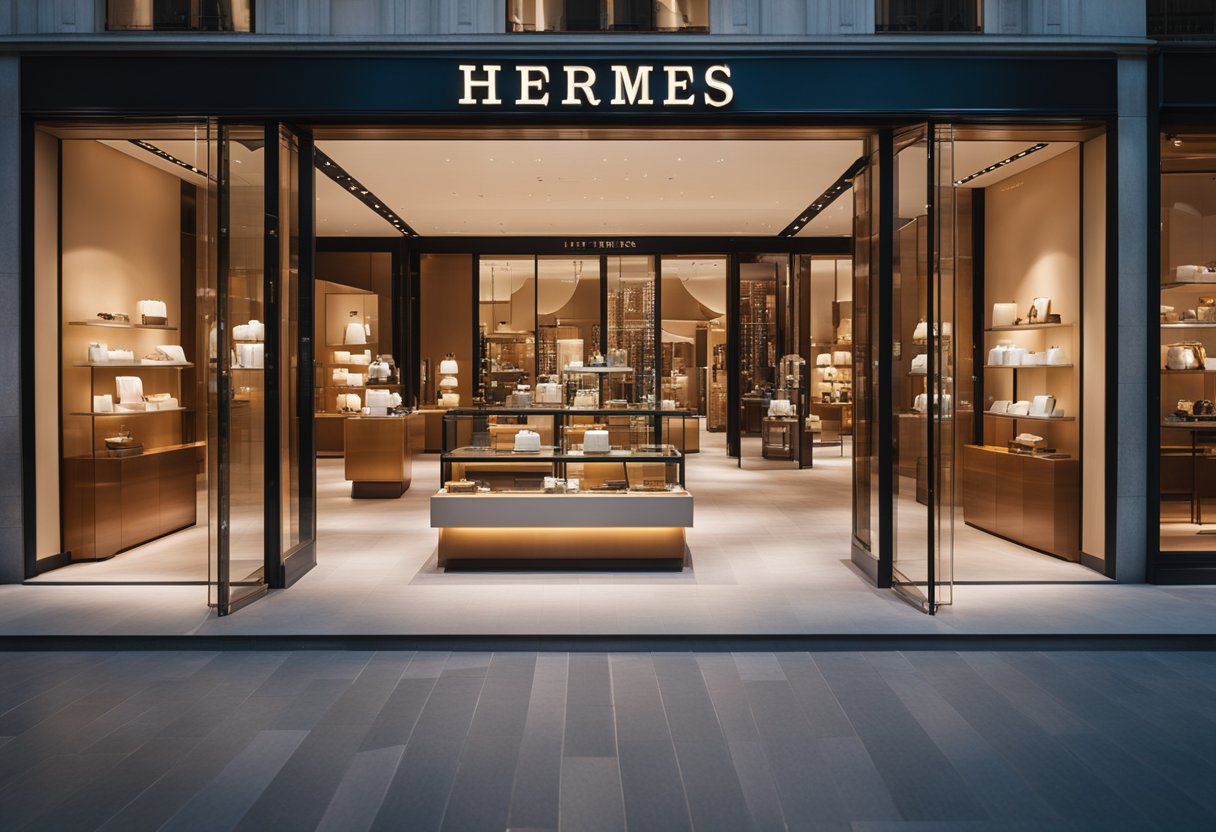
Hermès stands apart in the luxury world through its unwavering commitment to quality and artisanal excellence. The company’s philosophy centers on creating timeless pieces rather than following seasonal trends.
Upholding the Tradition of Craftsmanship
Hermès maintains an exceptional dedication to superior craftsmanship passed down through six generations. Unlike many luxury brands that have moved toward mass production, Hermès artisans still handcraft each item using techniques preserved for nearly two centuries.
The company operates with a patient approach to production. Each craftsperson trains for years before working independently, ensuring meticulous attention to detail in every stitch and cut.
Hermès deliberately limits production to maintain quality standards. This commitment to craftsmanship explains why customers willingly join waiting lists extending several years for certain products.
The brand’s workshops, primarily located in France, employ over 5,600 artisans who create products without assembly lines or rushed schedules. This entrepreneurial spirit and dedication to French production reinforces their authentic luxury positioning.
The Iconic Birkin and Kelly Collections
The Birkin and Kelly bags represent the pinnacle of Hermès’ exclusivity and craftsmanship philosophy. Both bags originated from practical needs rather than marketing strategies. This gives them authentic stories that resonate with luxury consumers.
The Kelly bag gained fame after Grace Kelly used it to shield her pregnancy from photographers in 1956. Meanwhile, the Birkin emerged from a chance meeting between actress Jane Birkin and former Hermès CEO Jean-Louis Dumas on a flight in 1984.
Each bag requires 18-25 hours of handcrafting by a single artisan. This labor-intensive process creates natural scarcity that drives desire among luxury consumers worldwide.
Hermès never advertises these bags traditionally. Their legendary status grows through carefully managed scarcity and word-of-mouth among celebrities and wealthy clients. The company maintains strict purchase limitations, creating an aura of exclusivity that elevates these products beyond mere accessories to symbols of ultimate luxury achievement.
Philanthropy and Ethical Practices
Hermès demonstrates its commitment to giving back through various ethical initiatives and philanthropic endeavors. The company’s approach to ethics aligns with international principles while supporting communities where it operates.
Isocrates Foundation Initiatives
The Isocrates Foundation represents one of Hermès’ key philanthropic efforts. This foundation was established to support educational and cultural projects that align with the company’s humanist values.
The foundation focuses on promoting artisanal craftsmanship, preserving traditional skills, and supporting innovative educational programs. These initiatives help communities develop sustainable practices while honoring traditional craftsmanship.
Hermès approaches its corporate citizenship role seriously. It contributes to economic, social, and cultural vitality in regions where it operates. The company’s philanthropic work extends to environmental sustainability efforts as well.
The luxury house maintains ethical standards throughout its operations. It has frameworks that respect human rights and promote diversity. These practices reflect Hermès’ desire to be a socially responsible company that gives back to society.