
Microsoft is one of the world’s largest technology companies, but many people wonder who actually owns it. As a publicly traded company, Microsoft is owned by millions of individual and institutional investors who hold shares of its stock.
While the company was founded by Bill Gates and Paul Allen in 1975, ownership has spread widely since Microsoft went public in 1986.

Today, the largest shareholders include major investment firms like Vanguard Group, BlackRock, and State Street. Microsoft’s executives also own portions of the company, with CEO Satya Nadella among the top individual shareholders.
Bill Gates, though no longer running the company day-to-day, still owns about 0.9% of Microsoft.
The ownership breakdown shows that institutional investors own approximately 58.38% of Microsoft, insiders own about 0.04%, and the remaining 41.58% is held by the public.
This diverse ownership structure has helped Microsoft grow into the technology giant it is today, headquartered in Redmond, Washington.
Key Takeaways
- Microsoft is publicly owned with no single owner, instead having millions of shareholders including major investment firms and individual investors.
- The largest institutional shareholders are investment companies like Vanguard Group, BlackRock, and State Street, which together own a significant portion of Microsoft.
- Bill Gates retains less than 1% ownership of the company he co-founded, while current executives like CEO Satya Nadella are among the top individual shareholders.
History of Microsoft Ownership

Microsoft‘s ownership has evolved significantly since its humble beginnings in 1975. The company started with two young entrepreneurs and transformed into one of the world’s most valuable corporations, with its ownership structure changing dramatically along the way.
Founding by Bill Gates and Paul Allen
Microsoft was founded on April 4, 1975, by Bill Gates and Paul Allen in Albuquerque, New Mexico. The pair were inspired by an issue of Popular Electronics magazine featuring the Altair 8800 computer.
Initially, Gates and Allen owned the entire company, with Gates taking the larger share. They began by developing and selling BASIC interpreters for the Altair 8800 computer.
The company was sometimes called “Micro-Soft” in its early days, referring to microprocessors and software. This name eventually became the single word we know today.
The two founders maintained complete ownership until Microsoft’s growth required additional capital and expertise.
Growth and Expansion
Microsoft remained privately owned until March 13, 1986, when the company went public with its initial public offering (IPO). At this point, ownership expanded to include public shareholders.
During the IPO, Bill Gates owned a significant portion of the company. The public offering was very successful, instantly creating three billionaires and around 12,000 millionaires among Microsoft employees.
Over time, Gates reduced his ownership stake in the company. By 2023, he owned approximately 0.9% of Microsoft shares, worth about $20.5 billion.
Today, Microsoft Corporation is primarily owned by institutional investors and individual shareholders. The company has grown from two ambitious friends to a multinational technology giant with diverse ownership.
Major Shareholders
Microsoft, one of the world’s largest tech companies, has a diverse ownership structure with both major institutional investors and individual shareholders playing significant roles. The company’s stock is widely held, with billions of shares distributed among various types of investors.
Institutional Investors
Vanguard Group and BlackRock are the largest institutional shareholders of Microsoft, collectively controlling over 16% of its outstanding shares. These investment giants manage trillions of dollars in assets and hold significant positions in many major companies.
State Street Corporation is another major institutional investor, owning approximately 3.97% of Microsoft shares (around 295 million shares). Fidelity Management is also among the top institutional holders.
Institutional investors as a whole own about 58.38% of Microsoft’s stock, showing how heavily the company is backed by professional money managers and investment firms. These large investors often have significant influence on corporate decisions through their voting power.
Notable Individual Shareholders
Steve Ballmer, Microsoft’s former CEO, remains one of the largest individual shareholders of the company. After taking over from Bill Gates, Ballmer led Microsoft from 2000 to 2014 and maintained a substantial personal stake.
Bill Gates, Microsoft’s co-founder, has reduced his holdings over the years through stock sales and charitable donations to the Bill & Melinda Gates Foundation. Despite these reductions, Gates still retains a significant position in the company he helped build.
Current CEO Satya Nadella is among the notable insider shareholders, along with Bradford L. Smith (President) and Kathleen Hogan (Chief People Officer). Together, insiders own approximately 0.04% of Microsoft’s shares.
The remaining 41.58% of Microsoft stock is held by the general public, including individual retail investors and smaller institutional holders.
Management and Influence
Microsoft’s leadership structure combines executive management and board oversight to guide the company’s strategic direction. These key groups work together to maintain Microsoft’s position as a global technology leader.
Role of Executive Leadership
Microsoft’s executive leadership team makes day-to-day decisions that shape the company’s future. This team is led by CEO Satya Nadella, who took over in 2014 after Steve Ballmer’s departure.
Steve Ballmer served as Microsoft’s CEO from 2000 to 2014. During his tenure, he helped expand Microsoft’s product lines and oversaw major acquisitions. Ballmer was known for his energetic leadership style and focus on enterprise solutions.
Today’s executive team includes other key figures like CFO Amy Hood and President Brad Smith. These leaders manage different aspects of Microsoft’s business, from cloud services to legal affairs.
The leadership team meets regularly to discuss company strategy and respond to market changes. Their decisions affect Microsoft’s 180,000+ employees worldwide.
Board of Directors
Microsoft’s Board of Directors provides oversight and governance for the company. The board includes both independent directors and Microsoft insiders with diverse business experience.
The board is responsible for major decisions about Microsoft Corporation’s direction, including:
- Approving major strategic moves
- Selecting and evaluating the CEO
- Ensuring financial accountability
- Overseeing risk management
Notable board members have included Bill Gates (who stepped back from day-to-day involvement but served on the board until 2020), current Chairman John Thompson, and various business leaders with expertise in technology, finance, and other industries.
The board works through specialized committees that focus on specific areas like audit, compensation, and governance. These committees meet regularly to review company performance and provide guidance to the executive team.
Philanthropic Endeavors
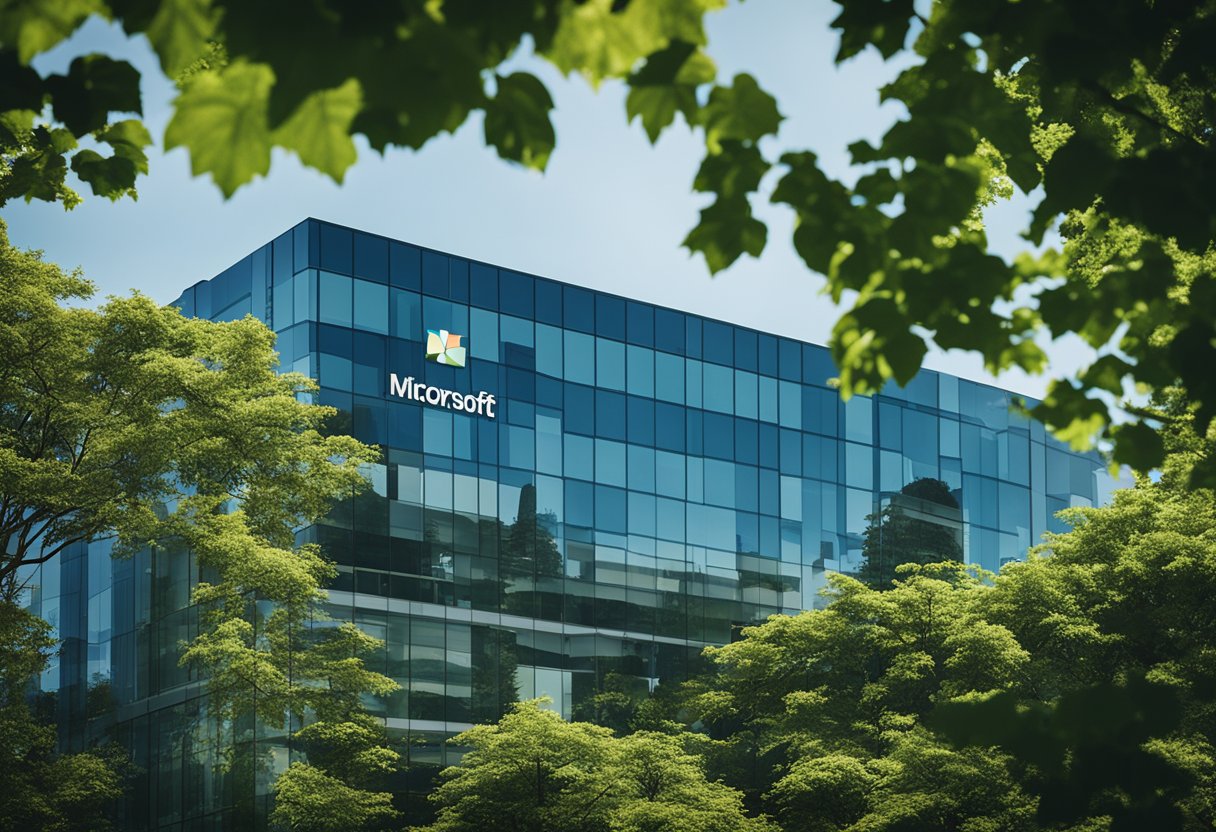
The owners of Microsoft have made significant impacts beyond technology through their charitable giving. Their foundations tackle global issues with billions in funding from personal wealth.
The Gates Foundation Impact
After stepping back from Microsoft’s daily operations, Bill Gates dedicated himself to philanthropy on a massive scale. In a remarkable move, he and Melinda transferred $20 billion of Microsoft stock to establish their foundation, making it the largest of its kind worldwide.
The Gates Foundation focuses on several key areas including global health, education, and poverty reduction. Their work has helped combat diseases like malaria and polio while expanding access to vaccines in developing countries.
Bill Gates still maintains more than 1% of Microsoft’s shares, worth over $40 billion as of 2024. This continued financial connection to Microsoft helps fund his philanthropic mission.
The foundation’s approach reflects Gates’ business mindset – focused on measurable results and technological solutions to humanity’s biggest problems. His philanthropy was partly inspired by David Rockefeller’s charitable efforts.
Financial Overview

Microsoft’s financial standing showcases its position as one of the world’s most valuable companies with impressive revenue growth and strong shareholder returns. The company’s diverse business segments contribute to its robust financial health and market leadership.
Stock Performance
Microsoft stock has been a stellar performer in the technology sector, making it a favorite among investors. The corporation’s shares are traded on the NASDAQ under the ticker symbol MSFT.
Major institutional investors hold significant portions of Microsoft Corp. The top shareholders include investment giants like Vanguard Group, BlackRock, and State Street. These financial powerhouses manage substantial Microsoft positions through various index and actively managed funds.
Individual shareholders include current leadership, with CEO Satya Nadella, President Bradford L. Smith, and Executive VP Kathleen Hogan among the notable personal stakeholders.
Retail investors worldwide also own Microsoft shares, contributing to its broad ownership base and market liquidity.
Revenue Streams
Microsoft’s financial success stems from its diverse business segments. The corporation has evolved far beyond its original Windows and Office products.
In fiscal year 2023, Microsoft achieved record revenue of $211 billion with over $88 billion in operating income. This impressive performance was surpassed in 2024, with revenue exceeding $245 billion (up 16% year-over-year) and operating income reaching over $109 billion (up 24%).
Microsoft’s revenue comes from several key areas:
- Cloud services (Azure)
- Productivity software (Microsoft 365)
- Personal computing products
- Gaming (Xbox)
- Enterprise services
The company’s strategic shift toward cloud computing and subscription-based models has proven especially profitable, with Azure becoming a major growth driver in recent years.
Legal and Ethical Considerations

Microsoft maintains strong standards for business conduct while navigating complex legal landscapes. The company’s approach to ethics shapes how it handles user data and communications.
Privacy and Data Security
Microsoft takes user privacy seriously. They have comprehensive policies that protect personal information. The company’s “Trust Code” (also called their Standards of Business Conduct) guides how they handle sensitive data.
When users interact with Microsoft products, their information is protected by robust security measures. These safeguards help prevent unauthorized access and data breaches.
Microsoft regularly updates its privacy practices to comply with global regulations. This includes following laws like GDPR in Europe and CCPA in California.
The company gives users options to control their data. People can view, download, or delete personal information stored on Microsoft servers.
Anti-Spam and Cookies Policies
Microsoft works hard to fight unwanted communications across its platforms. Their email services use advanced filters to identify and block spam messages before they reach user inboxes.
The company’s legal compliance team enforces policies against misuse of their systems for sending unsolicited messages. This helps protect users from phishing attempts and other harmful content.
For website visitors, Microsoft clearly explains how cookies work. They provide options for users to manage cookie preferences based on their comfort level.
These policies reflect Microsoft’s commitment to ethical business practices. The company strives to balance functionality with respect for user choice regarding tracking technologies.


