When you reach for a Miller Lite at your local bar or grocery store, you might wonder who’s behind this iconic American beer. Many beer drinkers assume it’s still made by the Miller Brewing Company, but the ownership has changed hands in recent years.
Miller Lite is now owned by Molson Coors Beverage Company. Molson Coors acquired full ownership of MillerCoors in 2016 for approximately US$12 billion.
The journey to current ownership wasn’t straightforward. MillerCoors was originally a joint venture between two brewing giants, but market consolidation in the beer industry led to changes.
When major competitor Anheuser-Busch InBev made moves to acquire SABMiller, regulatory concerns about market dominance forced SABMiller to sell its stake in MillerCoors to Molson Coors, making them the sole owner of the Miller brand portfolio in the United States.
Molson Coors now manages Miller Lite alongside other popular brands like Coors Light, Blue Moon, and Molson Canadian. This consolidation reflects the broader trend in the beer industry, where a handful of large corporations now control most of the beers you see on store shelves, even when they appear to be competing brands.
Key Takeaways
- Miller Lite is owned by Molson Coors Beverage Company, which gained full ownership in 2016 following industry consolidation.
- The beer industry has seen significant mergers and acquisitions, resulting in fewer companies controlling more brands.
- Molson Coors manages a diverse portfolio of beer brands while maintaining Miller Lite’s distinct identity and market position.
The History of Miller Lite
Miller Lite’s journey from creation to becoming a light beer icon involves multiple ownership changes and innovative brewing techniques. The brand revolutionized the beer market with its “tastes great, less filling” approach.
The Creation of a Light Beer Pioneer
Miller Lite first appeared in the U.S. market in 1975, but its origins date back earlier. The recipe came to Miller Brewing Company through its acquisition of the bankrupt Meister Brau brewery in Chicago. This purchase included a low-calorie beer called “Lite.”
Miller Brewing transformed this product into what we now know as Miller Lite. They marketed it with the famous slogan “Tastes Great, Less Filling” which helped make light beer acceptable to American beer drinkers.
The new light beer was revolutionary at the time. It offered fewer calories while maintaining good flavor, appealing to health-conscious consumers and sports fans alike. Miller Lite quickly became one of America’s favorite beers.
From Miller Brewing to MillerCoors
Miller Brewing Company, founded in 1855 by Frederick Miller, was the original creator of Miller Lite. The brand went through several ownership changes over the decades.
In 2008, a joint venture between Molson Coors and SABMiller created MillerCoors, which took control of Miller Lite in the U.S. market. This partnership aimed to better compete with Anheuser-Busch.
In 2016, Molson Coors acquired the full global brand portfolio of Miller Brewing Company. Today, Miller Lite remains one of the flagship brands of Molson Coors, continuing its legacy as a pioneer in the light beer category.
Ownership and Parent Company Information
Miller Lite is currently owned by Molson Coors Beverage Company, which acquired the full global brand portfolio of Miller Brewing Company in 2016. This acquisition came after a series of industry mergers and partnerships that reshaped the beer landscape.
Molson Coors Beverage Company Overview
Molson Coors is a major global brewing company with headquarters in Chicago, Illinois. The company manages a diverse portfolio of beer brands including Coors Light, Miller Lite, Molson Canadian, Carling, and Staropramen.
Miller Lite, a popular 4.2% ABV light American lager, is one of the company’s flagship products. This light beer was first produced in 1975 and has remained a consistent performer in the company’s lineup.
The brewing giant operates through a complex international structure, with production facilities in multiple countries. This allows them to maintain consistent quality and distribution of Miller Lite across various markets.
Merger History and Business Structure
The path to current ownership began when Miller Brewing Company, founded in 1855 by Frederick Miller in Milwaukee, underwent several ownership changes. The most significant shift came when MillerCoors was formed as a joint venture.
In 2016, Molson Coors acquired SABMiller’s stake in MillerCoors, gaining complete control of the Miller brand portfolio. This acquisition was part of a larger industry consolidation that saw SABMiller being purchased by Anheuser-Busch InBev.
The current business structure places Miller Lite firmly within Molson Coors’ family of products. Despite changes in corporate ownership, the company has maintained Miller Lite’s original character and brewing traditions established in Milwaukee.
The brand continues to be a key revenue generator for Molson Coors, alongside other popular beers in their expanding beverage portfolio.
Brand Portfolio and Market Position
Miller Lite holds a significant place in today’s beer market as one of America’s top-selling light beers. The brand exists within a complex competitive landscape shaped by industry consolidation and changing consumer preferences.
Miller Lite in the Molson Coors Family
Miller Lite is owned by Molson Coors Beverage Company, which became the sole owner of MillerCoors in 2016. This acquisition made Molson Coors the third largest global brewer by enterprise value.
The company manages Miller Lite as part of a diverse portfolio that includes other popular brands like Coors Light and Blue Moon. Miller High Life, often called the “Champagne of Beers,” serves as the crown jewel of their economy portfolio.
While MillerCoors initially operated as a joint venture, the business has been fully integrated into Molson Coors’ operations. The company’s strategy focuses on brand portfolio diversification and targeted consumer segmentation.
Competition with Anheuser-Busch and Others
In the light beer category, Miller Lite faces stiff competition from Anheuser-Busch’s Bud Light, which has traditionally dominated the market. These two brands, along with Coors Light, constitute the “big three” in the American light beer segment.
The competition extends beyond just product quality to marketing strategies and consumer perception. Molson Coors employs multifaceted marketing approaches that include sustainability initiatives and experiential marketing.
Recent years have seen shifts in the beer market with growing consumer interest in craft beers, seltzers, and non-alcoholic options. Despite these changes, Miller Lite maintains its position as a mainstream favorite with strong brand recognition and loyal customers.
Financial Performance
Molson Coors Beverage Company, the owner of Miller Lite, has shown strong financial results in recent years while maintaining a significant position in the competitive beer market.
Molson Coors Revenue and Earnings
Molson Coors has reported impressive financial growth recently. The company achieved its highest reported dollar results on record in 2023, growing both top and bottom lines for the second consecutive year.
Their 2024 annual report revealed a net sales increase of 4.4% to $12.6 billion, demonstrating continued growth momentum. This performance reflects the company’s successful brand strategy and market positioning.
However, the third quarter of 2024 showed some challenges with net sales declining 7.8% on a constant currency basis. The same period also saw underlying income before income taxes decline by 8.7%.
The company’s financial strength is evident in its equity position, with total Molson Coors stockholders’ equity reaching $13,092.4 million.
Market Share and Industry Impact
Miller Lite has been a key performer in Molson Coors’ portfolio. Together with Coors Light and Coors Banquet, Miller Lite has maintained impressive market presence, with the brands collectively retaining over 80% of their combined volume share gains in the fourth quarter of 2024.
This performance is particularly noteworthy in the competitive beer industry, where consumer preferences have been shifting toward premium and craft options.
The company’s ability to maintain substantial market share highlights Miller Lite’s enduring appeal and brand strength. This positioning has helped Molson Coors navigate industry challenges like changing consumer tastes and increased competition from alternative alcoholic beverages.
Miller Lite remains one of the flagship brands that continues to drive Molson Coors’ financial results in the North American beer market.
Marketing and Branding

Miller Lite’s marketing journey has been marked by memorable campaigns that helped establish it as a leading light beer brand. Their advertising strategies have evolved significantly over time, adapting to changing consumer preferences while maintaining brand recognition.
Iconic Slogans and Campaigns
Miller Lite revolutionized beer marketing with its famous “Tastes Great, Less Filling” campaign in the 1970s. This simple yet effective slogan highlighted the beer’s two main selling points and became one of the most recognizable beer campaigns in history.
The brand also found success with its “Miller Time” concept, which positioned the beer as a reward after a hard day’s work. This relatable messaging connected with everyday beer drinkers across America.
Celebrity endorsements have played a key role in Miller Lite marketing, with sports figures and entertainers appearing in commercials throughout the decades. These partnerships helped strengthen the brand’s association with fun, social occasions.
Miller Lite’s distinctive packaging—featuring the white label with blue and gold accents—has become instantly recognizable on store shelves and in bars.
From Bad to Good: Evolving Advertising Strategies
In recent years, Miller Lite has refreshed its approach with the “Bad $#!t to Good $#!t” campaign, focusing on authenticity over gimmicks. This strategy represents Molson Coors’ effort to win back drinkers through more genuine marketing.
The brand has embraced digital platforms while maintaining traditional media presence. Social media campaigns now complement TV spots, allowing for more targeted messaging to specific consumer groups.
Miller Lite has seen impressive results from these new strategies. Reports show more than 8.5% year-over-year net sales increases for both Coors Light and Miller Lite under the revamped marketing approach.
The company has also made efforts to differentiate Miller Lite from competitors. This is done through clearer messaging about its brewing process, taste profile, and heritage as an original light beer.
Cultural and Social Impact

Miller Lite has shaped beer drinking culture while also taking stands on social issues. The brand has become part of American life through marketing, sponsorships, and special initiatives that reflect changing social values.
Influence on Popular Culture and Beer Drinking Moments
Miller Lite has made its mark on American culture since its national launch in the 1970s. The iconic “Tastes Great, Less Filling” campaign became one of the most recognizable advertising slogans in history, featuring celebrities and sports figures debating the beer’s qualities.
Sports have been central to Miller Lite’s cultural presence. The brand has sponsored major sporting events and teams, creating strong associations with game day rituals and tailgating traditions.
Miller Lite has also appeared in movies, TV shows, and music, cementing its place in entertainment. These appearances help position the beer as part of everyday American life and celebrations.
Holiday promotions and seasonal campaigns have kept Miller Lite relevant through changing times. The brand often creates special packaging and advertisements tied to major events like Super Bowl and summer holidays.
Advancing Diversity and Inclusion
Miller Lite has taken steps to support diverse communities in recent years. In 2021, the brand was among several Molson Coors products that supported the LGBTQ+ community, showing the company’s commitment to inclusion.
For Women’s History Month, Miller Lite has created special campaigns. They’ve worked with comedians like Ilana Glazer on initiatives that highlight women’s contributions and challenge stereotypes in the beer industry.
The parent company has invested in social justice work. Molson Coors announced $1.5 million in grants to advance social justice and equity, showing a commitment beyond just selling products.
Miller Lite has also supported community initiatives through partnerships with organizations like TRU Colors.
Sustainability and Corporate Responsibility
Molson Coors, the company behind Miller Lite, has made significant commitments to environmental and social initiatives as part of their corporate responsibility strategy. Their sustainability efforts span from reducing environmental impact to promoting responsible consumption.
Environmental Initiatives and Use of Fertilizer
Molson Coors has developed comprehensive sustainability goals aimed at creating a positive impact on the environment. One of their ambitious targets includes reaching zero waste to landfill by 2025, showcasing their dedication to reducing waste throughout their operations.
The company carefully manages agricultural resources in their supply chain. They work closely with barley farmers to implement sustainable farming practices, which includes responsible fertilizer use to minimize environmental impact while maintaining crop quality.
Water conservation represents another critical focus area. Molson Coors has invested in technologies that reduce water usage in the brewing process, recognizing that clean water is essential for both their business and local communities.
Their sustainability strategy began taking shape as early as 2004, when Miller started collaborating with their parent company to develop environmentally responsible brewing practices.
Supporting Communities and Responsible Drinking
Molson Coors demonstrates a strong commitment to social responsibility through various community initiatives. They partner with local organizations to address community needs and support economic development in areas where they operate.
The company promotes responsible drinking through educational campaigns and marketing practices that discourage underage consumption and excessive drinking. These initiatives align with their belief that their products should be enjoyed responsibly.
Employee volunteering programs allow team members to contribute directly to community improvement projects. These efforts help strengthen bonds between the company and local communities.
Molson Coors also reports regularly on their corporate responsibility performance, covering areas such as governance, sustainable brewing, and community impact. This transparency helps stakeholders track their progress toward social and environmental goals.
Consumer Insights and Trends

Miller Lite’s position in the market is shaped by evolving consumer preferences and demographic shifts. These insights help explain why light beer continues to dominate a significant portion of the beer market despite changing tastes.
Understanding the Light Beer Drinker
The typical Miller Lite consumer tends to value balance between taste and calories. These drinkers are often health-conscious but unwilling to sacrifice flavor completely. According to market research, Miller Lite appeals particularly to adults between 21-45 who are looking for what the brand calls “great taste that won’t fill you up.”
Men historically made up the majority of light beer drinkers, but Miller Lite has seen growth with female consumers in recent years. This demographic shift has influenced marketing strategies, moving away from the heavily masculine advertising of the past.
Social occasions remain the primary consumption moment, with Miller Lite positioning itself as the beer of choice for gatherings and sports events.
Adapting to Changing Tastes and Preferences
The beer market has transformed dramatically with the rise of craft beers and seltzers. Despite these challenges, Miller Lite has maintained growth, with recent sales volume increasing by 4.1% in a measured period.
Current consumer trends show increased preference for:
- Lower calorie options
- Authentic brand stories
- Environmental sustainability
Miller Lite has responded by emphasizing its heritage as the “original light beer” while Molson Coors adapts its marketing strategies to these shifting preferences.
Digital engagement has become crucial, with Miller Lite leveraging social media and streaming platforms to connect with younger consumers who value authenticity and transparency in brand communications.
Global Reach and Expansion Strategies

Molson Coors has significantly expanded its international footprint since acquiring Miller Brewing Company for approximately US$12 billion in 2016. This acquisition transformed the company into the world’s third largest brewer and set the stage for ambitious global growth.
Molson Coors in Europe and Asia
Molson Coors has established a strong presence in European markets, where beer consumption has deep cultural roots. The company operates breweries in several European countries including the UK, Ireland, Czech Republic, Hungary, and Romania.
In Eastern Europe, Molson Coors has focused on preserving local beer traditions while introducing Miller Lite and other American brands to new consumers. This strategy respects regional preferences while gradually building brand recognition.
The company’s Asian strategy has centered on strategic partnerships and joint ventures to navigate complex regulatory environments. China and India represent enormous growth potential due to their large populations and increasing middle-class consumers.
Japanese and South Korean markets have become testing grounds for premium versions of Miller Lite, appealing to consumers looking for lower-calorie American beer options.
Exploring New Markets and Demographics
Molson Coors has actively pursued younger demographics through innovative marketing strategies that position Miller Lite as a modern, lifestyle-oriented choice. Social media campaigns and sponsorships of events popular with millennials have helped refresh the brand image.
The company has also shown interest in emerging markets across Latin America and Africa. These regions present opportunities for growth as disposable incomes rise and beer consumption increases.
Non-alcoholic and low-alcohol beer variants have been introduced to appeal to health-conscious consumers. This diversification helps the company adapt to changing drinking habits globally.
Digital commerce has become a priority for Molson Coors, with direct-to-consumer models being tested in various markets.
Controversies and Public Perception
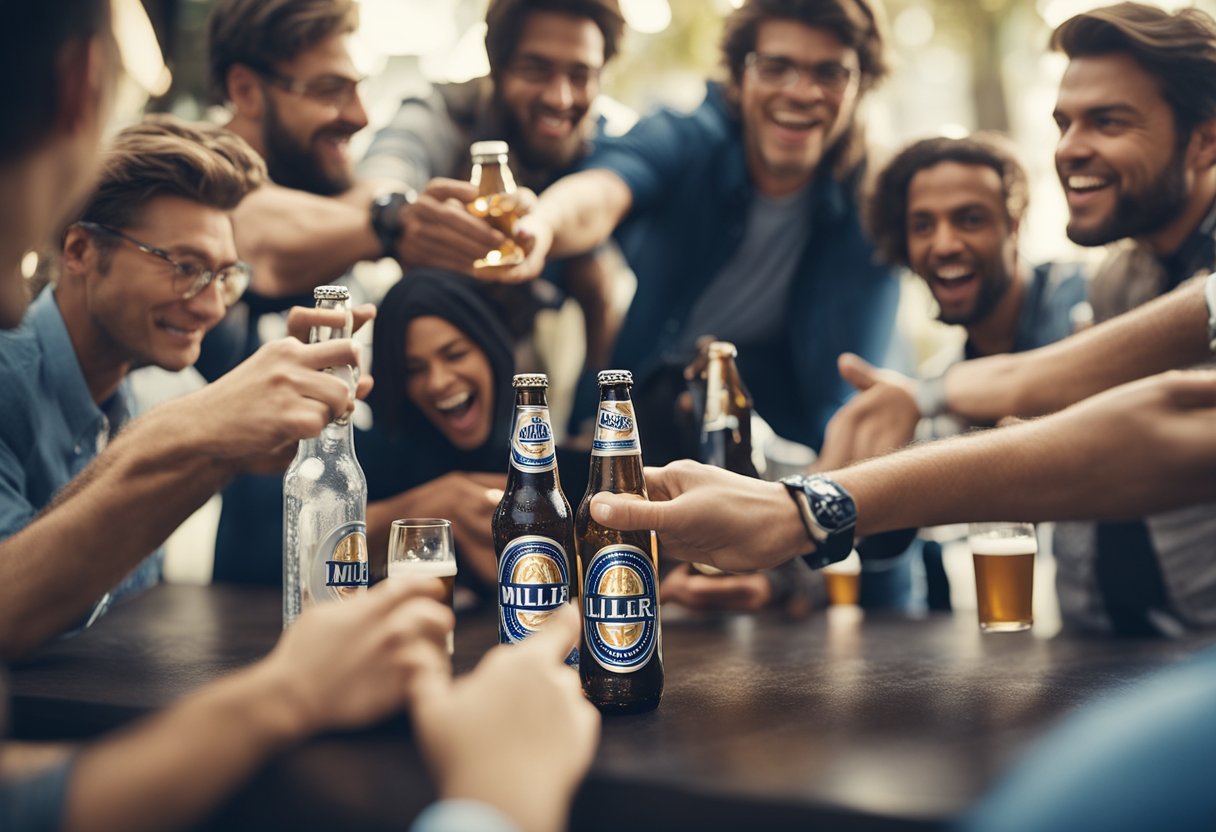
Miller Lite has faced several public relations challenges throughout its history, ranging from criticism over marketing campaigns to consumer boycotts.
Addressing Criticisms and Boycotts
In 2023, Miller Lite became the target of a boycott similar to what Bud Light experienced. The controversy erupted when consumers took issue with what some called a “woke” commercial featuring comedian Ilana Glazer.
The timing was unfortunate as it came shortly after Bud Light faced backlash for its partnership with transgender activist Dylan Mulvaney. This led to calls for boycotts from conservative consumers on social media.
Molson Coors, Miller Lite’s parent company, handled their response differently than Anheuser-Busch did with the Bud Light controversy. Their approach to the backlash was more measured and strategic.
One notable consequence was that Sofia Colucci, chief marketing officer for Molson Coors, deleted multiple social media accounts following the public criticism.
Shifting Away from Sexist Ads
Miller Lite has made deliberate efforts to move away from its historically sexist advertising. For decades, beer marketing, including Miller Lite’s, often featured women in bikinis and objectifying imagery.
The brand’s advertising journey has evolved significantly over time. More recent campaigns have attempted to be more inclusive and less focused on male-centered stereotypes that dominated beer advertising for generations.
The 2023 ad with Ilana Glazer was actually part of this shift. It directly addressed the history of sexism in beer advertising. The commercial acknowledged past mistakes in how the industry portrayed women.
This transition represents a broader change in beer marketing strategy. Brands try to appeal to more diverse audiences while maintaining their core customer base.