
Nike, one of the world’s most recognizable sportswear brands, is owned by a mix of individuals and large investment firms. The company’s largest shareholder is Swoosh LLC, which holds about 29% of Nike’s shares. Philip Knight, who co-founded Nike in 1964, remains a major owner with his family controlling approximately 20% of the company. For fiscal 2024, Nike was valued at $51 billion in revenue.
While individual owners like Knight and former executives such as Mark Parker and current CEO John Donahoe hold significant stakes, institutional investors play a big role too. Financial giants like Vanguard Group and BlackRock are among Nike’s top institutional shareholders.
The ownership breakdown shows about 64% is held by institutions, with only about 1.4% owned by company insiders.
Knight’s journey from selling shoes from his car trunk to building a global empire is remarkable. Though he stepped down as chairman in 2016, Phil Knight remains influential at Nike. He and his wife Penny have given over $3.6 billion to charitable causes while maintaining their position as key stakeholders in the athletic wear giant.
Key Takeaways
- Phil Knight and his family, through Swoosh LLC and personal holdings, control roughly 20% of Nike, making them the largest individual owners.
- Major financial institutions like Vanguard and BlackRock own significant portions of Nike, with institutional investors holding about 64% of the company.
- Nike’s ownership structure balances founder influence with public investment, allowing the company to maintain its innovative spirit while growing into a $51 billion global enterprise.
History of Nike
Nike has evolved from a small business venture to one of the world’s largest athletic footwear and apparel companies. Its journey reflects American entrepreneurship and innovative marketing that changed the sportswear industry forever.
Founding and Early Years
Nike began as Blue Ribbon Sports (BRS), founded by University of Oregon track athlete Phil Knight and his coach, Bill Bowerman, on January 25, 1964. Knight had a simple but powerful idea: import Japanese running shoes to compete with German brands dominating the American market.
The business started very modestly. Knight sold shoes from the trunk of his car at track meets. Meanwhile, Bowerman was experimenting with shoe designs to help his athletes perform better.
Bill Bowerman was Nike’s original innovator, obsessed with creating footwear that improved athletic performance. His experiments included pouring rubber into his wife’s waffle iron, leading to the famous waffle sole design.
In 1971, BRS officially became Nike, named after the Greek goddess of victory. The iconic “Swoosh” logo was designed by graphic design student Carolyn Davidson for just $35.
Expansion and Growth
The 1970s and 1980s marked rapid growth for Nike. The company went public in 1980, providing capital for expansion. Nike’s innovative marketing strategy focused on signing star athletes as brand ambassadors.
The 1984 partnership with basketball rookie Michael Jordan created the Air Jordan line, revolutionizing athletic footwear marketing. This collaboration generated billions in revenue and established the template for future celebrity endorsements.
Nike expanded internationally throughout the 1980s and 1990s. They diversified their product line beyond running shoes to include footwear and apparel for various sports including basketball, soccer, tennis, and golf.
The company’s “Just Do It” slogan, introduced in 1988, became one of the most recognized advertising taglines in history. This simple phrase captured Nike’s competitive spirit and resonated with both athletes and casual consumers.
Key Milestones
In the 1990s, Nike opened its first NikeTown retail store, creating immersive brand experiences for customers. The company also acquired several subsidiaries including Converse in 2003, expanding its market reach.
Nike’s technological innovations continued with Air Max cushioning, Flyknit material, and self-lacing shoes. These advancements maintained Nike’s position as an industry leader in performance footwear.
By the early 2000s, Nike faced criticism regarding overseas labor practices. The company responded by implementing improved manufacturing standards and greater transparency in their global supply chain.
Today, Nike has grown from a company that once had about 20 employees and a turnover of $300,000 to a global enterprise worth over $140 billion. Its products are sold in virtually every country, making it one of the world’s most recognizable brands.
Nike’s Ownership Structure
Nike has a diverse ownership structure that includes individual shareholders, corporate entities, and institutional investors. The company’s leadership and governance reflect a blend of founding family influence and professional management.
Public Listing and Shareholders
Nike became a publicly traded company in 1980, making it possible for anyone to own shares. Today, the sportswear giant trades on the New York Stock Exchange under the ticker symbol NKE.
The company has a mix of institutional, retail, and individual investors. About 42.23% of Nike’s stock is owned by individual shareholders. This includes employees, regular investors, and company insiders.
Many Nike employees own shares through stock options and employee stock purchase plans. This helps align employee interests with company success.
Nike has millions of individual shareholders worldwide. Anyone with a brokerage account can buy Nike shares and become a partial owner of the company.
Majority Stakeholders
Phil Knight, Nike’s co-founder, remains one of the most significant individual shareholders. He created Swoosh LLC, a separate entity that holds the majority of his Nike stock.
Swoosh LLC is actually the largest single shareholder of Nike. This arrangement was created to help manage Knight’s substantial Nike holdings.
Mark Parker, former CEO and current Executive Chairman, is another key individual stakeholder. His long tenure with the company has allowed him to accumulate significant shares.
Current CEO John Donahoe also ranks among top individual shareholders after taking over leadership in January 2020.
Institutional Investors
Large financial institutions own substantial portions of Nike. These include investment firms, mutual funds, pension funds, and insurance companies.
Vanguard Group Inc. and BlackRock Inc. are among the largest institutional investors in Nike. Both manage trillions in assets across various companies.
BlackRock Advisors LLC holds about 6.22% of Nike shares, making it a significant institutional stakeholder.
STATE STREET CORPORATION owns approximately 4.968% of Nike’s outstanding shares. Wellington Trust is another major institutional investor.
These institutions typically invest for the long term and may influence company decisions through their substantial voting power.
Board of Directors
Nike’s Board of Directors provides oversight and strategic guidance for the company. The board includes a mix of company executives and independent directors.
Phil Knight’s son, Travis Knight, serves on Nike’s Board of Directors. He’s also involved with LAIKA, an animation studio.
Phil Knight himself now serves as Chairman Emeritus, maintaining a connection to the company he co-founded.
The board includes members with diverse professional backgrounds in business, finance, marketing, and technology. This diversity helps provide well-rounded leadership.
Board members hold varying amounts of Nike stock, aligning their interests with the company’s performance and shareholder value.
Nike’s Product Portfolio
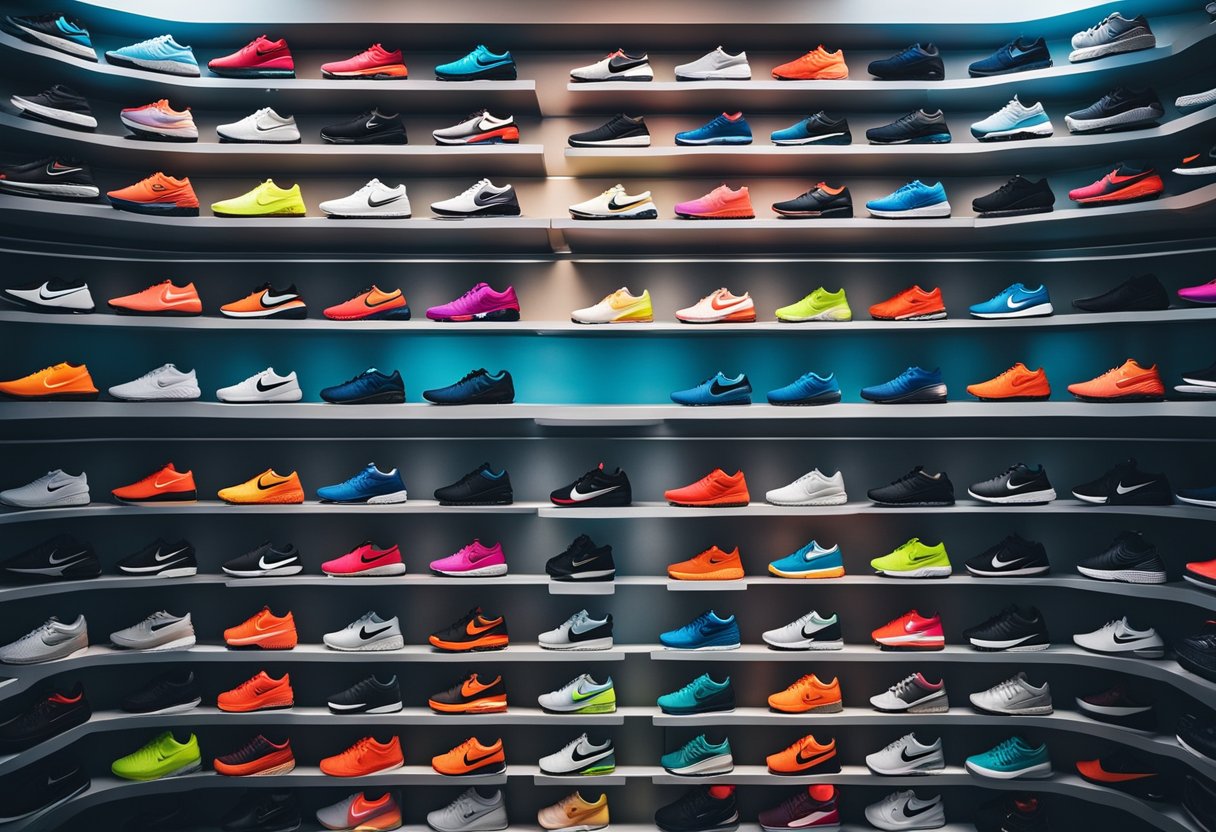
Nike offers a diverse range of products beyond just athletic shoes. The company’s extensive catalog spans several categories designed to meet the needs of both athletes and casual consumers.
Lifestyle Footwear
Nike’s lifestyle footwear lineup features iconic designs that have transcended sports to become fashion staples. The Air Force 1, introduced in 1982, remains one of the brand’s bestselling casual shoes with its clean design and comfort.
The Air Max series showcases Nike’s innovative air cushioning technology while appealing to sneaker enthusiasts and everyday wearers alike. These shoes often feature bold colorways and distinctive designs.
Nike’s Dunk series has experienced a resurgence in popularity, especially among younger consumers seeking retro styling. Originally a basketball shoe, it’s now a street fashion favorite.
The brand also offers slip-ons, sandals, and boots for various casual occasions. Many Nike lifestyle shoes incorporate performance elements from their athletic lines while focusing on everyday comfort and style.
Performance Apparel
Nike’s performance apparel utilizes advanced materials to enhance athletic performance across various sports. Their Dri-FIT technology wicks moisture away from the body, keeping athletes cool during intense activity.
For cold weather, Nike’s Therma-FIT gear provides insulation without restricting movement. Professional teams and athletes often wear customized Nike uniforms designed for their specific sport requirements.
The Pro line offers compression garments that support muscles and improve circulation during workouts. These tight-fitting pieces serve as base layers or standalone athletic wear.
Nike’s running apparel includes lightweight shorts, breathable tops, and weather-resistant jackets. Their basketball collection features both on-court uniforms and warm-up gear endorsed by NBA stars.
Sports Accessories
Nike complements its footwear and apparel with functional accessories for athletes. Their sports bags range from small gym sacks to large duffel bags with specialized compartments for equipment.
Training gloves, resistance bands, and yoga mats form part of Nike’s fitness equipment collection. Athletes appreciate their adjustable caps, moisture-wicking headbands, and performance socks designed with arch support.
The company produces sport-specific items like:
- Soccer shin guards and balls
- Basketball sleeves and headbands
- Running hydration belts and reflective gear
- Training gloves and workout mats
Nike’s digital accessories include the training apps that connect with their physical products. Their water bottles, towels, and equipment bags all display the distinctive Swoosh logo while offering practical functionality.
Brand Diversification
Nike has expanded beyond its core brand through strategic acquisitions and sub-brands. Jordan Brand, created for basketball legend Michael Jordan, has become a powerful standalone entity with its own distinct products and identity.
The company previously owned Cole Haan (luxury footwear and accessories) and currently owns Converse, the maker of the iconic Chuck Taylor sneakers. These acquisitions allow Nike to reach different market segments.
Nike’s Golf division produces clubs, balls, and apparel for golfers of all skill levels. Though Nike stopped making golf equipment in 2016, they continue to offer golf apparel and shoes.
Nike By You (formerly Nike ID) allows customers to customize products, creating personalized designs. This service has become increasingly popular as consumers seek unique items that reflect their personal style.
Strategic Partnerships and Acquisitions
Nike has grown its influence through smart partnerships and key acquisitions. The company continues to expand its market reach by purchasing complementary brands and collaborating with various organizations and influential people.
Converse Integration
Nike acquired Converse in 2003 for approximately $309 million. This acquisition represents one of Nike’s most successful brand purchases. As of 2020, Converse remains Nike’s only subsidiary, highlighting its importance in the company’s portfolio.
The integration allowed Nike to tap into Converse’s strong heritage and street credibility. Converse’s iconic Chuck Taylor All-Stars continue to sell millions of pairs yearly, contributing significantly to Nike’s revenue stream.
Nike has maintained Converse’s distinct identity while improving its manufacturing processes and distribution networks. This approach has helped Converse grow globally while preserving its authentic appeal.
The brand continues to operate somewhat independently, with its own design teams and marketing strategies, but benefits from Nike’s resources and infrastructure.
Collaborations with Influencers
Nike has pioneered partnerships with athletes and celebrities to boost its brand image. Notable collaborations include Michael Jordan, Serena Williams, LeBron James, and more recently, Travis Scott and Drake.
The Air Jordan line, born from Nike’s partnership with Michael Jordan, has grown into a multi-billion dollar sub-brand. These signature products often sell out immediately upon release.
Nike also works with fashion designers like Virgil Abloh and Sacai to create limited-edition collections that blend athletic performance with high fashion. These collaborations help Nike reach new customer segments.
The company strategically chooses partners who align with their brand values and can influence consumer behavior. These relationships typically involve exclusive product lines and marketing campaigns.
Expansion through Mergers
Nike has completed nine acquisitions with an average acquisition amount of $305 million. One of its most active years was 2021, with two acquisitions.
In March 2018, Nike acquired Zodiac, a consumer data analytics company. This purchase highlighted Nike’s commitment to utilizing consumer data to better understand customer preferences and buying patterns.
Nike has also formed strategic partnerships within its supply chain. The company partnered with Apollo Global Management regarding the apparel supply chain in the Americas, strengthening their manufacturing capabilities.
Nike is also a founding member of the Sustainable Apparel Coalition, an industry group of more than 200 leading apparel and footwear brands focused on sustainable production.
Nike’s Global Market Presence
Nike has built a powerful worldwide footprint with operations in 170 countries and impressive market dominance. The company generated $51.54 billion in revenue in 2023 and holds a 38.68% total market share in the athletic footwear and apparel industry.
International Operations
Nike’s global strategy extends far beyond its American roots. The company has strategically expanded its manufacturing and retail operations to reach consumers across continents.
China represents a particularly important market for Nike. In 2021, China accounted for over 20% of Nike’s global revenue, showing the brand’s strong presence in Asian markets.
Nike operates through a mix of company-owned retail stores, e-commerce platforms, and partnerships with local retailers. This multi-channel approach helps the brand maintain visibility and accessibility in different regional markets.
Manufacturing occurs primarily in contract factories across Asia, with specialized production centers focusing on different product categories.
Consumer Base and Culture
Nike has cultivated a devoted global consumer base by connecting with sports enthusiasts and casual wearers alike. The brand resonates with people of all ages and backgrounds.
The iconic “Just Do It” slogan, created by advertising agency Wieden+Kennedy, has helped Nike build cultural relevance that crosses national boundaries. This partnership began in Nike’s early days and continues to shape its global image.
By the 1980s, Nike had already achieved a 50% market share in the U.S. athletic shoe market. This early success provided the foundation for international expansion.
Nike sponsors major athletes and teams worldwide, creating local connections while maintaining a consistent global brand identity.
Challenges and Opportunities
Nike faces increasing competition from both established rivals and emerging regional brands. Maintaining market leadership requires constant innovation and adaptation.
Supply chain disruptions and manufacturing ethics remain ongoing challenges. The company continues to address labor practices and environmental concerns in its global operations.
E-commerce growth presents both a challenge and opportunity. Nike has invested heavily in direct-to-consumer digital platforms to reduce dependence on traditional retail partners.
Regional tastes and preferences vary significantly. Nike must balance its global brand identity with localized products and marketing approaches that respect cultural differences across markets.
Corporate Social Responsibility
Nike has developed a robust approach to corporate responsibility, focusing on positive impacts for communities, the environment, and workers throughout its global supply chain.
Community Engagement
Nike actively supports communities through various programs and initiatives. The company invests in local projects that promote sports participation and healthy lifestyles for young people.
Through the Nike Community Impact Fund, they provide grants to organizations that create positive social change. These grants help support youth sports programs and physical activity initiatives in communities where Nike operates.
Nike also encourages employee volunteerism, giving team members opportunities to contribute their time and skills to worthy causes. Their community engagement strategy aims to create lasting positive impacts rather than one-time charitable donations.
The company partners with athletes and celebrities to raise awareness for social issues and inspire young people, especially in underserved areas. These partnerships help Nike extend its reach and influence beyond its direct business operations.
Environmental Initiatives
Nike has made significant commitments to reducing its environmental footprint. The company has set ambitious sustainability commitments that address climate change, waste reduction, and responsible resource use.
Their Move to Zero initiative aims to achieve zero carbon emissions and zero waste in their operations. This includes using renewable energy in facilities and incorporating recycled materials in products.
Nike’s Flyknit technology demonstrates their innovative approach to sustainability. This manufacturing process reduces waste by about 60% compared to traditional cut-and-sew methods. They also developed Nike Grind, which transforms manufacturing scrap and used shoes into new products and sports surfaces.
Water conservation represents another key focus area. Nike has implemented water-efficient technologies in their manufacturing processes and works with suppliers to reduce water usage throughout their supply chain.
Fair Labor Practices
Nike’s approach to corporate responsibility includes ensuring fair treatment of workers in their global supply chain. After facing criticism in the 1990s, Nike has worked to transform its labor practices.
The company now maintains a Code of Conduct that sets standards for suppliers regarding wages, working hours, and workplace conditions. Regular factory audits help ensure compliance with these standards, with results published in transparency reports.
Nike has joined industry collaborations like the Fair Labor Association to address systemic issues in manufacturing. These partnerships help create industry-wide improvements in working conditions.
Worker development programs provide training and education opportunities for factory employees. These initiatives help workers gain valuable skills while improving retention and productivity.
Nike continues to evolve its path to corporate responsibility, recognizing that addressing labor practices requires ongoing commitment and adaptation to new challenges.
Financial Performance

Nike’s financial performance reflects its position as a global athletic footwear and apparel leader. The company has experienced both growth and challenges in recent years, with significant shifts in revenue trends and market positioning.
Revenue and Profits
Nike reported revenues of $11.6 billion in the first quarter of fiscal 2025, showing a 10 percent decline on a reported basis compared to the previous year. This downward trend continued into the second quarter, with revenues at $12.4 billion, representing an 8 percent decrease on a reported basis.
Despite these recent challenges, Nike Direct revenues reached $21.5 billion in fiscal 2024, growing 1 percent on both reported and currency-neutral bases. Nike-owned stores showed stronger performance with 6 percent growth.
The company’s financial structure remains robust with significant equity capital. In 2021, Nike’s equity capital was valued at $12.8 billion, marking a substantial increase from previous years.
Market Share and Competitiveness
Nike maintains a dominant position in the athletic footwear and apparel industry. As of Q1 2024, the company held a 37.87% market share in the Consumer Discretionary Sector, an improvement from 36.51% in the previous quarter.
This impressive market share reflects Nike’s strong brand recognition and consumer loyalty despite facing increasing competition from brands like Adidas, Under Armour, and emerging players.
Nike’s competitive edge stems from its innovative product offerings, effective marketing strategies, and expanding digital presence. The company continues to invest in direct-to-consumer channels to strengthen its market position.
The brand’s global reach and strong presence in key markets like North America, Europe, and China contribute significantly to its competitive standing.
Investment Prospects
Nike presents mixed investment opportunities given recent revenue declines but strong structural fundamentals. The company’s relatively high equity capital provides financial stability and flexibility for future growth initiatives.
Investors should consider Nike’s ongoing transition toward direct-to-consumer sales channels, which may yield higher margins despite short-term revenue challenges. Digital innovations and e-commerce expansion represent promising growth avenues.
Key factors to watch include:
- Recovery from recent revenue declines
- Success of new product launches
- Performance in emerging markets
- Progress in sustainability initiatives
Nike’s strong brand equity and global recognition continue to position it favorably for long-term growth despite recent headwinds. The company’s innovative approach to product development and marketing suggests potential for future market expansion.
Innovation and Technology
Nike has built its global reputation on pushing the boundaries of sports technology. The company invests heavily in cutting-edge innovation to maintain its competitive edge in the athletic footwear and apparel market.
Research and Development
At the heart of Nike’s innovation strategy is the Nike Sports Research Lab. Scientists, engineers, and designers collaborate to create breakthrough products. This advanced facility uses athlete data to inform product development and testing.
The lab employs cutting-edge technology like 4D motion capture to analyze athletic movement in unprecedented detail. This helps Nike understand exactly how athletes interact with their products.
Under the guidance of John Hoke, Nike’s chief innovation officer, the company has increasingly focused on technologies like AI and rapid prototyping. These tools help Nike develop products faster and more efficiently than ever before.
Nike’s commitment to research allows them to create solutions for athletes of all levels, from weekend warriors to Olympic champions.
Product Innovation
Nike’s innovation legacy began with Bill Bowerman, the company’s co-founder, who famously created the first Nike shoe by pouring rubber into his wife’s waffle iron. This spirit of experimentation continues today.
Key product innovations include:
- Nike Air: Cushioning technology using pressurized air in a flexible membrane
- Flyknit: Revolutionary material that reduces waste and provides lightweight support
- Nike React: Ultra-responsive foam for energy return and comfort
Nike consistently introduces new materials and manufacturing techniques that redefine athletic performance. Their innovation cycle never stops, with new products constantly in development.
The company’s ability to blend style with performance has helped maintain its position as a market leader in athletic footwear.
Technological Advancements
Nike has embraced digital transformation across its business. AI technology now plays a central role in how Nike designs products, engages customers, and manages its supply chain.
In design, AI helps create custom footwear solutions based on individual biomechanics. This allows for unprecedented personalization in athletic shoes.
Nike’s mobile apps use augmented reality to help customers find their perfect fit, reducing returns and increasing satisfaction. This technology integration extends to Nike’s retail stores, creating seamless shopping experiences.
Nike’s data analytics capabilities help predict market trends and consumer preferences with remarkable accuracy. This allows the company to stay ahead of changing tastes and needs.
These technological investments have positioned Nike to continue leading the athletic wear industry into the future.
Sustainability in Production
Nike has committed to reducing its environmental footprint through innovative manufacturing processes. Their goal is to minimize waste while maintaining product performance.
Sustainable innovations include:
- Nike Grind: Repurposing manufacturing scrap and used shoes into new products
- Flyleather: Material made with at least 50% recycled leather fiber
- Water-free dyeing: Processes that dramatically reduce water usage
Nike has set ambitious targets for sustainability, including powering facilities with 100% renewable energy and eliminating manufacturing waste to landfills.
The company recognizes that consumers increasingly care about environmental impact. By investing in sustainable innovation, Nike addresses these concerns while often reducing production costs.
Nike continues to explore new eco-friendly materials and manufacturing techniques that maintain their high performance standards while reducing environmental impact.
Conclusion
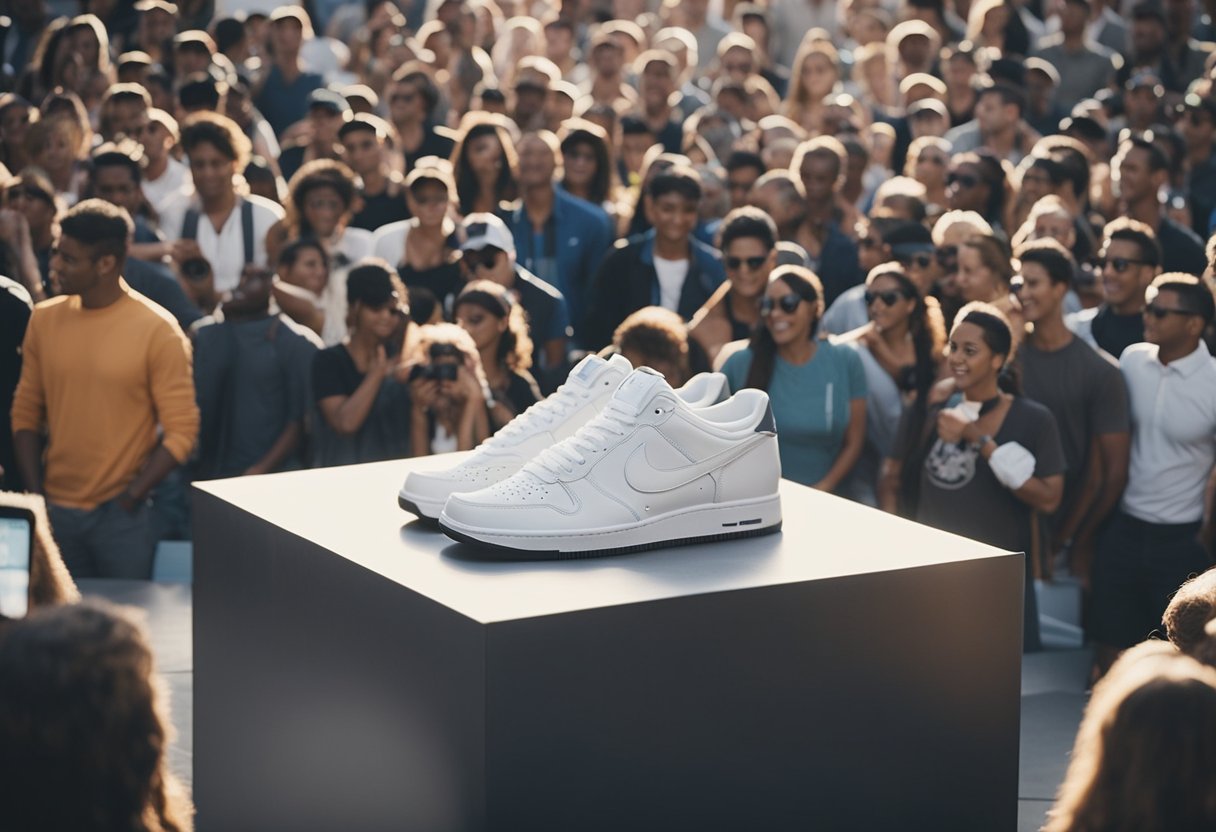
Nike’s ownership is a mix of individuals and large institutions. The company was founded by Phil Knight and Bill Bowerman in 1964, starting as Blue Ribbon Sports before becoming the global giant we know today.
Currently, about 65.64% of Nike is owned by institutional investors. The Vanguard Group is one of the largest institutional shareholders, alongside BlackRock Inc.
Individual key owners include:
- Phil Knight (co-founder)
- Mark Parker (former CEO)
- John Donahoe (current CEO)
- Swoosh LLC (Knight’s holding company)
Nike continues to thrive under this ownership structure. The company remains at the forefront of product innovation and design, maintaining its position as an industry leader in sports apparel and footwear.
The balance between founder influence, executive leadership, and institutional investment has helped Nike maintain its creative edge while growing into a multinational corporation.


