Ocado, the innovative online grocery retailer and technology company, has transformed how many people shop for food in the UK. Founded in 2000 by three entrepreneurs including Jason Gissing, Ocado has grown from a simple delivery service into a global technology business.
Many customers use their services without knowing who actually controls the company behind their groceries.
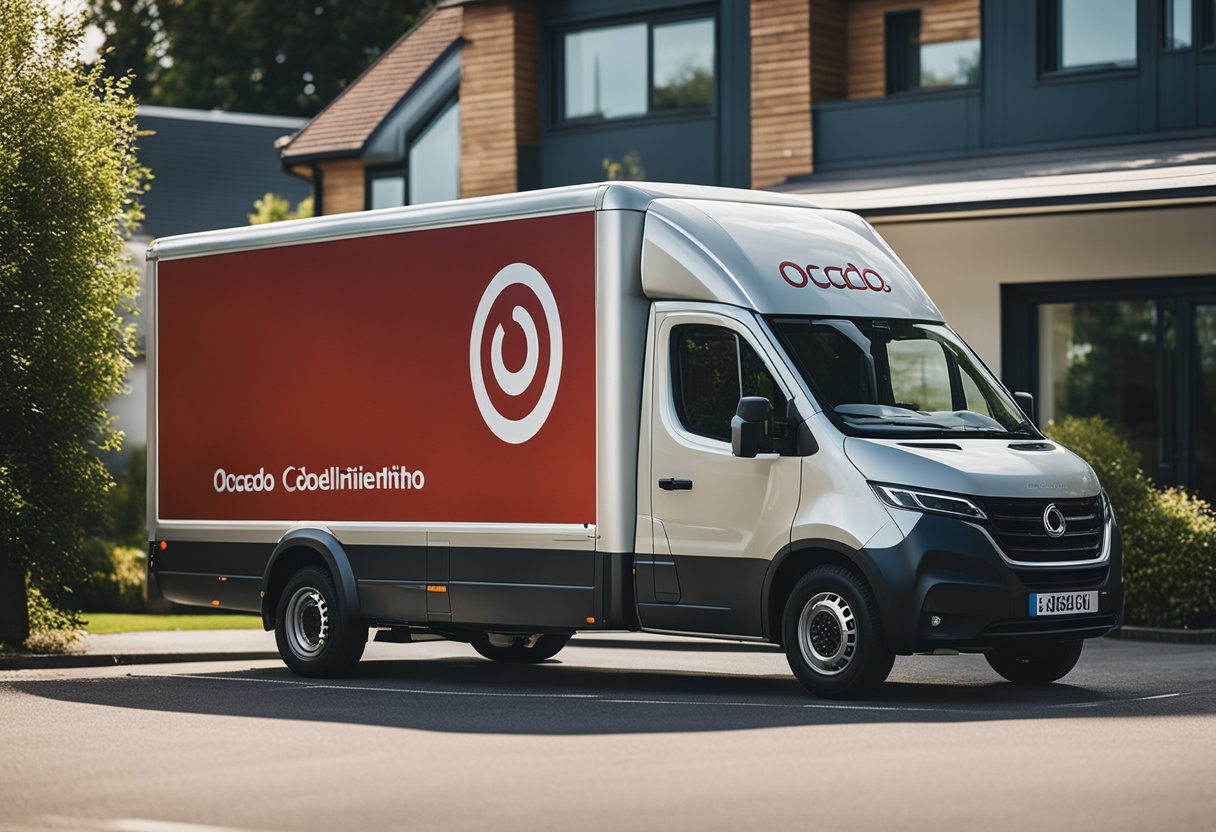
Ocado Group is owned by a combination of institutional investors and individual shareholders. Major stakes are held by Spencer Roditi (12.53%) and Baillie Gifford & Co (10.95%). The company operates through a unique structure that includes Ocado Retail, which is actually a 50:50 joint venture between Marks & Spencer Group and Ocado Group. This partnership began in 2019 and launched in September 2020, bringing together M&S’s food products with Ocado’s delivery technology.
The ownership structure matters to customers because it influences everything from product selection to delivery capabilities.
When you order from ocado.com, you’re actually using a service run by this joint venture. It combines M&S’s food expertise with Ocado’s pioneering technology in online grocery shopping.
Key Takeaways
- Ocado Group has a diverse ownership structure with major shareholders including Spencer Roditi and Baillie Gifford & Co holding significant stakes.
- Ocado Retail, which runs ocado.com, operates as a 50:50 joint venture between Marks & Spencer and Ocado Group.
- The company began as an online grocery pioneer and has evolved into a global technology business that extends beyond just food delivery.
Understanding Ocado

Ocado has transformed from a simple online grocery service to a complex technology enterprise. The company’s journey showcases innovation in the e-commerce grocery space and how its business model has evolved over time.
The Genesis of Ocado
Ocado began its journey as an innovative online grocery pioneer. Founded in 2000, the company aimed to revolutionize how people shop for groceries without visiting physical stores.
Jason Gissing, one of Ocado’s co-founders, once noted that their early work was “only the first step of a journey” in pioneering online grocery shopping. This vision guided the company through its early development.
The company established its base in Hatfield, England, where it built sophisticated technology for efficient grocery delivery. Their early focus was creating a purely online grocery experience without the overhead costs of traditional brick-and-mortar stores.
Ocado Group Today
Today, Ocado Group is a British business that primarily licenses grocery technology to other retailers. This marks a significant shift from its origins as just an online supermarket.
The company has diversified its operations into several key divisions. Ocado Logistics operates as a high-performing third-party logistics and fulfillment business in the UK, serving retailers including Morrisons.
Meanwhile, Ocado Retail exists as a joint venture between Marks & Spencer Group and Ocado Group. This partnership oversees the original ocado.com website and Ocado Zoom, their growing same-day delivery service.
This structure means that while many consumers know Ocado as an online grocery service, the parent company has evolved into a technology provider that powers online grocery operations worldwide.
Ownership Structure

Ocado Group has a diverse ownership structure with a mix of institutional investors, individuals, and strategic partners. The company’s shareholder base shows significant institutional backing alongside notable individual stakeholders who maintain substantial influence.
Major Shareholders
Several key players hold significant stakes in Ocado Group. Spencer Roditi holds 12.53% of shares, making him one of the largest individual shareholders with over 104 million shares.
Baillie Gifford & Co. follows closely with a 10.95% stake, representing more than 91 million shares. This shows how both individuals and investment firms maintain substantial positions in the company.
The Kroger Co., a major American grocery retailer, owns 5.72% of Ocado, highlighting strategic partnerships within the retail sector.
Another interesting aspect of Ocado’s structure is that it owns 50% of Ocado.com, with UK retailer Marks & Spencer owning the other half.
Institutional Investors Influence
Institutional investors dominate Ocado’s ownership landscape, accounting for 75.47% of total shareholdings. This high level of institutional backing provides the company with a stable shareholder base.
Individual investors collectively hold about 16.07% of Ocado shares, while employee share schemes account for 2.27% of ownership.
This ownership structure helps Ocado maintain a balance between institutional guidance and individual entrepreneurship. The Chairman works alongside these various stakeholders to shape company strategy and direction.
Financial institutions like Citigroup Global Markets Ltd. and First Abu Dhabi Bank PJSC also appear in the shareholder registry, though with smaller positions compared to the major players.
Strategic Operations

Ocado’s impressive operations blend technological innovation with logistics expertise to revolutionize grocery retail. Their approach focuses on efficient supply chains and cutting-edge delivery solutions that create value for partners and customers alike.
Supply Chain Logistics
Ocado manages a complex supply chain that powers its online grocery operations. The company’s high-performing logistics business serves multiple retailers including Ocado Retail and Morrisons in the UK market.
Their sophisticated logistics network includes centralized fulfillment centers that replace traditional store-based picking methods. This centralization allows Ocado to maintain better inventory control and reduce waste.
Automated warehouses use AI to optimize product storage and retrieval, making operations faster and more accurate. These facilities can process thousands of orders daily with minimal human intervention.
Ocado’s systems also enable real-time tracking of products throughout the supply chain. This visibility helps them maintain product freshness and quality while reducing delivery times.
Fulfilment and Delivery Innovations
Ocado has developed ground-breaking technologies that transform how online grocery orders are fulfilled. Their robotics expertise helps reduce operational costs while improving picking speed and accuracy.
The company’s automated Customer Fulfilment Centers (CFCs) use robot swarms to collect items for customer orders. These robots can navigate grid systems at lightning speeds, picking multiple orders simultaneously.
Ocado’s “last mile” delivery solutions include route optimization and time-slot management. These technologies ensure deliveries arrive fresh and on time, enhancing customer satisfaction.
Ocado Zoom, their rapid delivery service, offers same-day grocery deliveries in select areas. This quick-response capability helps them compete with convenience stores and fast-delivery competitors.
The company continues to innovate with sustainable delivery methods including electric vehicles and efficient packaging solutions. These eco-friendly approaches appeal to environmentally conscious consumers while reducing costs.
Technological Infrastructure

Ocado Group has built an impressive technological foundation that powers its innovative online grocery solutions. Their tech stack combines artificial intelligence, robotics, and sophisticated software systems to revolutionize e-commerce fulfillment.
Developing Seamless Platforms
The heart of Ocado’s technology is the Ocado Smart Platform (OSP), which uses artificial intelligence to solve the unique challenges of online grocery shopping. This platform helps Ocado and its retail partners provide smooth shopping experiences for customers.
OSP connects with user devices through secure authentication systems that protect customer accounts. When shoppers browse the platform, their experience is personalized based on previous purchases and preferences.
Behind the scenes, Ocado employs thousands of robots in its warehouses. These robots move on grid systems, collecting grocery items for customer orders with incredible efficiency. The company runs two modular data centers per warehouse just to control these robots!
Ocado also uses AI to optimize routes for delivery vehicles, helping them reduce carbon emissions and delivery times.
Data Security and Privacy
Ocado takes customer data protection seriously with robust security measures throughout its digital infrastructure. Their systems carefully handle personal data collected during shopping sessions, including browsing habits and purchase history.
The company uses IP address tracking primarily for security purposes rather than invasive tracking. They implement clear privacy settings that allow customers to control how their information is used.
When gathering information through cookies, Ocado seeks proper consent from users and explains how this data improves their shopping experience. They follow strict data protection regulations to keep customer information safe.
Ocado’s security team continuously monitors systems for potential threats. They regularly update their security protocols to address new cybersecurity challenges that could affect customer data or disrupt their sophisticated automation systems.
Marketing and User Experience
Ocado’s approach to marketing focuses on creating a seamless shopping experience while building strong relationships with customers. The company has developed sophisticated strategies that combine technology and customer-focused initiatives to stand out in the competitive online grocery market.
Personalized Online Shopping
Ocado has invested heavily in creating a personalized shopping experience that remembers customer preferences and shopping habits. Their app and website use smart algorithms to suggest products based on previous purchases, making shopping faster and more convenient.
The company uses data analysis to understand what customers buy regularly and when they might need to restock. This helps them send timely reminders without being intrusive. Their system also offers substitution preferences, allowing customers to specify what alternatives they’d accept if items are out of stock.
Ocado’s personalization extends to special dietary needs too. Customers can filter products based on allergies or preferences like vegetarian, vegan, or gluten-free options. This attention to detail has helped Ocado build trust with customers who have specific requirements.
Customer Engagement
Ocado has embraced an omnichannel approach to customer engagement. They connect with shoppers through platforms like email, social media, and their mobile app. This strategy has contributed to a notable 5.9% increase in active consumers according to recent performance results.
Their loyalty program rewards regular customers with personalized offers and early access to new products. The company also sends recipe suggestions based on seasonal ingredients and customer preferences, encouraging customers to try new items.
Customer feedback is taken seriously at Ocado. They regularly conduct audience research to improve their services and develop new features. When issues arise, their customer service team responds quickly across all platforms, showing their commitment to customer satisfaction.
Social media plays a key role in their strategy, with engaging content that showcases products and shares cooking tips. This friendly approach helps build a community around the brand rather than just focusing on transactions.
Data and Consumer Insights

Data powers Ocado’s business strategy and creates value for both the company and its partners. The online grocery retailer has built sophisticated systems to collect, analyze, and monetize consumer information.
Harnessing Shopper Data
Ocado has developed impressive capabilities to gather and use shopper data. The company created the Ocado Retail Data Platform. This platform helps hundreds of suppliers explore insights and use that information to drive sales growth and improve media campaigns.
In a significant move, Ocado recently partnered with The Trade Desk. This partnership gives advertisers direct access to consented shopper data.
This collaboration opens up new revenue streams for Ocado. It allows brands to target consumers more effectively based on actual purchasing behavior rather than assumptions.
Geolocation Utilization
Ocado leverages geolocation data to enhance its delivery operations and customer experience. The company uses this information to optimize delivery routes and provide accurate delivery time windows.
By analyzing customer locations, Ocado can make smart decisions about warehouse placement and distribution centers. This helps reduce delivery times and costs.
Geolocation also enables personalized marketing based on regional preferences. Ocado can suggest products popular in specific areas or adjust promotions based on local shopping patterns.
Weather data combined with location information allows Ocado to anticipate demand changes. For instance, they can stock more ice cream before a heatwave hits certain regions.
Legal and Ethical Considerations
Ocado’s operations involve complex legal frameworks and ethical responsibilities that guide how the company conducts business and handles customer information. The company has established clear policies to maintain compliance while building trust with stakeholders.
Adhering to Regulations
As a publicly traded company, Ocado must follow strict corporate governance rules. The Ocado Group Board takes responsibility for “review and approval of the risk management framework” and identifying key strategic risks that could affect the business.
Ocado has also developed comprehensive ethical sourcing policies for their own-brand products. These requirements ensure that products are “produced lawfully through fair and honest dealing” and manufactured under decent working conditions.
The company operates under various national and international regulations that govern online retail, food safety, and employment practices. Compliance teams work to stay ahead of evolving legal requirements to avoid penalties and maintain their reputation.
The Ethics of Data Handling
Ocado collects significant customer data through its online platform and must handle this information responsibly.
Personal data protection is a core priority. So, systems are designed to secure sensitive information from unauthorized access.
The company implements robust security measures to protect customer information. These measures include encryption and secure payment processing.
These protections help build trust with customers who share their data when placing orders.
Ocado provides clear privacy settings and options for customers to control how their information is used.
Transparency about data collection practices helps customers make informed choices about sharing their personal details.
The company also obtains proper consent before collecting and using customer information.
This ethical approach to data handling aligns with their broader corporate responsibility focus on education, entrepreneurship, environment, and eating well.