Ever wondered who’s behind those never-ending breadsticks and cozy Italian-American dining experiences?
Olive Garden is owned by Darden Restaurants, Inc., a Florida-based company that operates several popular restaurant chains across the United States.

Darden isn’t just the parent company of Olive Garden – it’s actually one of the largest full-service restaurant companies in America.
Besides Olive Garden, Darden’s restaurant family includes LongHorn Steakhouse, Yard House, and Cheddar’s Scratch Kitchen. The company has been expanding its portfolio, recently acquiring Ruth’s Chris Steak House and announcing plans to purchase a Mexican restaurant chain for $605 million.
Ownership of Olive Garden
Olive Garden, the popular Italian-American restaurant chain, is owned by Darden Restaurants, a major player in the full-service dining industry. Darden operates several well-known restaurant brands across different dining segments.
Darden Restaurants’ Profile
Darden Restaurants is one of the largest full-service restaurant companies in the United States.
The company’s roots go back to 1938 when founder Bill Darden opened his first restaurant, a 25-seat luncheonette called The Green Frog in Waycross, Georgia, when he was just 19 years old.
Today, Darden has grown into a restaurant powerhouse that operates more than 1,800 locations across North America. The company is publicly traded on the New York Stock Exchange under the ticker symbol DRI.
Darden has shown strong financial performance recently. In early 2025, the company beat expectations for its Q2 results, causing its stock to rebound strongly.
Olive Garden’s Place in Darden’s Portfolio
Olive Garden is the flagship brand in Darden’s collection of restaurants.
Founded in 1982, Olive Garden has become famous for its breadsticks, salads, and Italian-inspired dishes.
In addition to Olive Garden, Darden’s portfolio includes several other popular restaurant chains:
- LongHorn Steakhouse – Known for its western-themed steakhouse experience
- Yard House – Offers modern American cuisine with an extensive beer selection
- The Capital Grille – An upscale steakhouse chain
- Seasons 52 – Features seasonal menu items and wine
- Eddie V’s – Specializes in seafood and steaks
- Cheddar’s Scratch Kitchen – Focuses on homemade American cuisine
- Bahama Breeze – Offers Caribbean-inspired food and drinks
- Ruth’s Chris Steak House – A recent acquisition, purchased for $715 million
Olive Garden has expanded internationally through franchising arrangements, bringing its Italian-American cuisine to diners around the world.
History of Olive Garden
Olive Garden has evolved from a single restaurant to one of America’s most recognizable Italian-themed dining chains. The company’s journey spans several decades and includes significant growth under different corporate owners.
Foundation and Growth
Olive Garden began in 1982 when General Mills created the restaurant chain. At that time, General Mills was already involved in the restaurant business as the owner of Red Lobster.
The first Olive Garden location opened in Orlando, Florida, marking the beginning of what would become a nationwide favorite.
The restaurant’s concept centered around providing American families with an Italian dining experience. Early Olive Garden restaurants featured rustic Tuscan-inspired décor and a menu of Italian-American classics.
By the early 1990s, Olive Garden had grown rapidly. The chain became known for its unlimited breadsticks, family-style dining, and affordable Italian cuisine. This approach helped the restaurant chain expand across the United States.
Expansions and Acquisitions
In 1995, General Mills spun off its restaurant division, creating Darden Restaurants as a separate company. This new company took ownership of both Olive Garden and Red Lobster. The name came from Bill Darden, who founded Red Lobster in 1968.
Under Darden’s leadership, Olive Garden continued to grow throughout the late 1990s and 2000s. The chain updated its menu and restaurant designs several times to stay competitive in the casual dining market.
Today, Olive Garden remains one of Darden’s flagship brands. As of 2022, Olive Garden restaurants generated $4.5 billion in revenue. The restaurant chain has maintained its position as one of America’s favorite Italian dining options with hundreds of locations across the country.
Business Strategy and Goals

Olive Garden, owned by Darden Restaurants, follows a clear strategy focused on delivering value and quality to guests while growing financially. The chain aims to balance tradition with innovation to maintain its market position.
Competitive Positioning in Casual Dining
Olive Garden has established itself as a leader in the casual dining segment with its Italian-American menu offerings. The restaurant’s mission connects to Darden’s overall goal of “delivering outstanding food, drinks and service in an inviting atmosphere.”
Their unlimited breadsticks and family-style meals create a unique selling proposition that competitors find hard to match. This strategy has helped Olive Garden maintain strong same-store sales even during challenging economic times.
Rather than relying heavily on discounts, Olive Garden focuses on consistent quality and value. CEO Gene Lee confirmed this approach has been successful, allowing the brand to thrive without heavily incentive-laced strategies.
Adapting to Market Changes
Olive Garden continually evolves its menu and operations to address changing consumer preferences and economic challenges. The company has worked to streamline operations while maintaining food quality.
When facing rising costs, Olive Garden implements efficient supply chain management rather than dramatically raising prices. This helps preserve their value perception among customers.
Digital innovation has become increasingly important, with enhanced online ordering and delivery options. The pandemic accelerated these efforts, helping the chain adapt quickly to the shift toward takeout dining.
Olive Garden also invests in team member development, recognizing that staff success directly impacts guest satisfaction. Their training programs help ensure consistent service quality across their extensive network of over 1,500 restaurants.
Culinary Identity and Menu
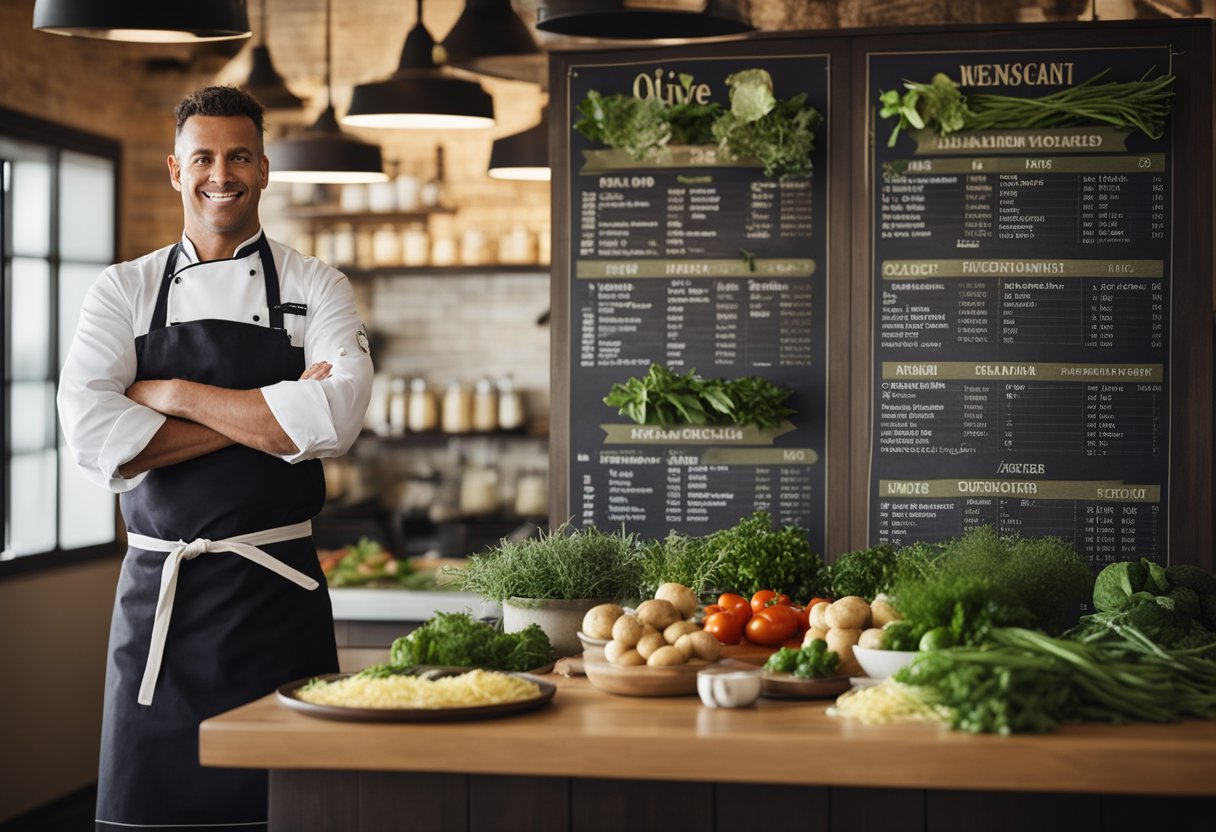
Olive Garden has built its reputation on familiar Italian-American cuisine that appeals to a wide audience. Their menu balances tradition with innovation to maintain its position in the competitive casual dining market.
Signature Dishes and Offerings
Olive Garden’s menu centers around Italian-American classics that have become fan favorites. Their unlimited breadsticks and salad serve as the restaurant’s most iconic offering, creating a welcoming atmosphere for diners.
The restaurant is well-known for pasta dishes like Fettuccine Alfredo, Tour of Italy, and Chicken Parmigiana. These hearty portions appeal to value-conscious customers looking for comfort food.
As part of Darden Restaurants’ portfolio, Olive Garden maintains consistent quality across its 1,800+ locations. Their famous “Never Ending Pasta Bowl” promotion periodically returns to drive customer traffic.
Recently, Olive Garden has introduced more health-conscious options while preserving the indulgent dishes that built their brand. Lighter fare includes vegetable-forward pastas and grilled protein options.
Influence of Tex-Mex Trends
Despite specializing in Italian-American cuisine, Olive Garden has observed the popularity of Tex-Mex dining in America. Interestingly, their parent company Darden deliberately avoided entering the Mexican food market, focusing instead on strengthening Olive Garden’s Italian identity.
In recent years, Olive Garden participated in the small-plates trend that became popular in many casual dining establishments, including Tex-Mex restaurants. This approach allowed diners to sample multiple flavors in one sitting.
While not incorporating Tex-Mex flavors directly, Olive Garden has adopted similar service styles and portion options that proved successful in that segment. Their focus remains on maintaining their clear culinary identity as an Italian-American restaurant.
Operational Excellence
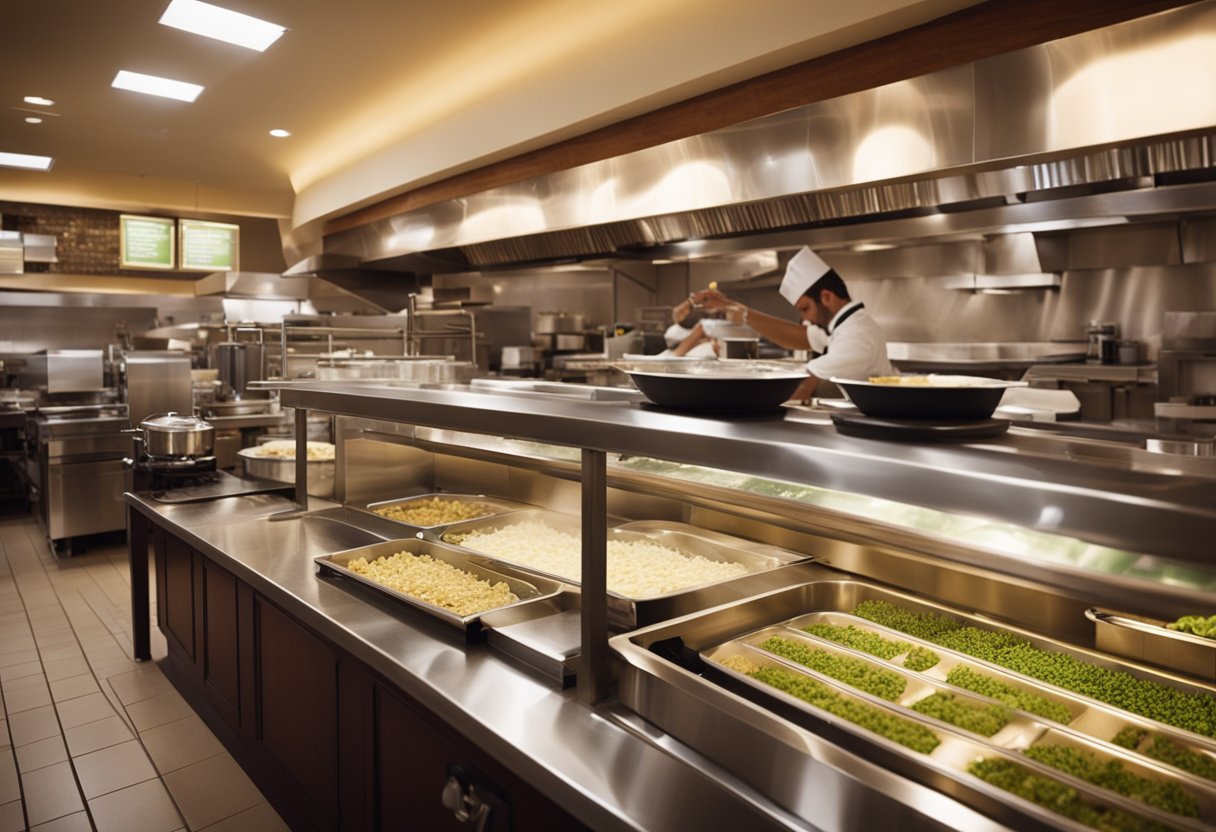
Darden Restaurants has built Olive Garden’s success on strong operational systems that focus on consistency and quality across all locations. Their approach to running restaurants efficiently while maintaining high standards has helped the chain thrive.
Training and Retaining Team Members
Olive Garden places significant emphasis on thorough training programs for all staff members.
New team members receive comprehensive training on food preparation, customer service, and the restaurant’s Italian-inspired culture.
The parent company, Darden Restaurants, invests heavily in employee development to maintain service standards across all Olive Garden locations. Team members learn not just technical skills but also how to create the warm, family-friendly atmosphere that defines the Olive Garden experience.
Career advancement opportunities are abundant within the organization. Many restaurant managers started as servers or kitchen staff, showing the company’s commitment to promoting from within. This practice helps Olive Garden retain talented team members and maintain institutional knowledge.
The chain’s low turnover rates compared to industry averages reflect their positive team member culture. Benefits like flexible scheduling and meal discounts help create loyalty among staff.
Under leadership from executives like Shane Elrod and Dan Kiernan, Olive Garden continues to refine its operational practices to support both team members and the dining experience.
Financial Performance

Olive Garden’s financial results reveal interesting patterns in restaurant dining trends. The brand manages costs while pursuing growth goals. The financial health of this popular Italian restaurant chain offers insights into how economic conditions affect different customer segments.
Analysis of Recent Financial Reports
Darden Restaurants, the parent company of Olive Garden, recently reported its financial results for the first quarter of fiscal 2025. Unfortunately, these results were weaker than expected, missing both earnings and revenue targets.
The company’s performance shows a notable divide in consumer behavior. Higher-income diners continue to visit restaurants while budget-conscious customers are cutting back. This trend directly impacts Olive Garden’s same-store sales figures.
Rising costs remain a significant challenge for the chain. Food, labor, and operational expenses have increased, squeezing profit margins despite menu price adjustments.
In December 2024, Darden updated its fiscal 2025 financial outlook following second quarter results. The company continues to focus on efficiency and value offerings to maintain Olive Garden’s appeal across customer segments.
Olive Garden’s business goals include balancing affordable menu options with managing increased costs, while maintaining the dining experience that keeps customers returning.
Customer Experience and Satisfaction
Olive Garden restaurants, owned by Darden Restaurants, focus heavily on guest satisfaction while adapting to modern dining preferences. Their approach combines traditional in-restaurant service with innovative delivery options.
Importance of Guest Services
At Olive Garden, the customer experience remains a top priority. The restaurant chain has maintained high satisfaction scores, achieving an impressive 83 on the American Customer Satisfaction Index in 2024. This reflects their commitment to quality service.
Darden Restaurants, as Olive Garden’s parent company, has recently emphasized faster dining experiences to improve guest satisfaction. They believe quicker service enhances the overall dining experience without sacrificing quality.
Team members play a crucial role in this strategy. Staff are trained to provide attentive, friendly service while maintaining efficiency. This balance helps create the warm, family-style atmosphere Olive Garden is known for.
The restaurant actively seeks customer feedback. They encourage guests to share ideas and suggestions to continuously improve their service standards.
Innovation in Delivery Services
Olive Garden has expanded beyond traditional dining with robust delivery services. These options have become increasingly important as customer preferences evolve.
The restaurant chain has invested in delivery partnerships to reach customers who prefer eating at home. This adaptation helps them compete in the changing dining category while maintaining their brand quality.
Darden Restaurants, including Olive Garden, has been focusing on both delivery and quicker dining experiences to improve sales. This two-pronged approach addresses modern consumer demands.
Their delivery service maintains the same quality standards as in-restaurant dining. Packaging is designed to keep food fresh and presentation appealing, ensuring the authentic Olive Garden experience reaches homes intact.
The company continues to innovate with online ordering systems that make the process simple and user-friendly. These technological improvements help strengthen customer loyalty in an increasingly competitive market.
Marketing and Branding Initiatives
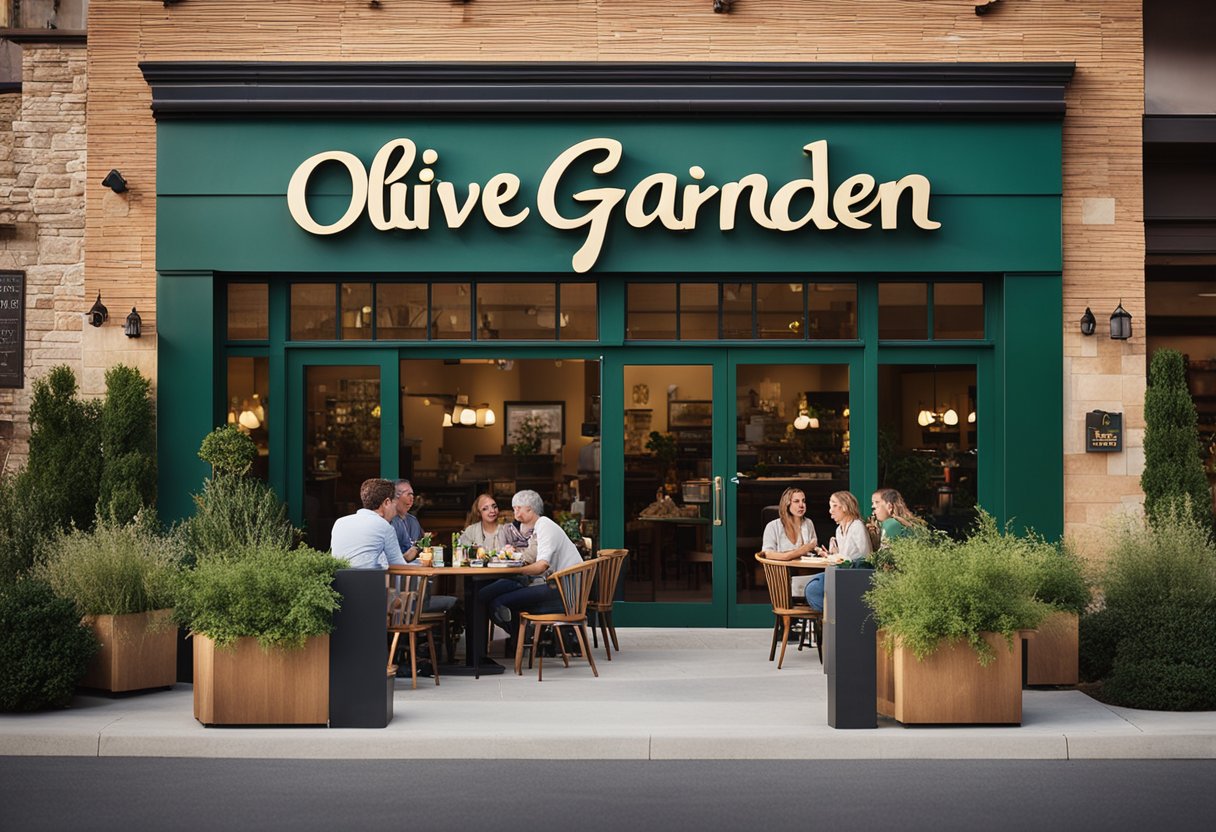
Olive Garden’s marketing strategies focus on promoting their Italian-American cuisine while emphasizing family-friendly values and affordability. Their campaigns often highlight signature offerings like breadsticks and pasta while adapting to changing consumer preferences.
Advertising Campaigns and Promotions
Olive Garden has built strong brand recognition through its iconic “When You’re Here, You’re Family” slogan, which resonated with customers for many years. More recently, the restaurant chain has enjoyed significant success with its Never Ending Pasta Bowl promotion, which has become one of its most recognized marketing initiatives.
The brand has effectively positioned itself in the casual dining sector by emphasizing value and comfort. Their marketing often showcases abundant portions and family-style dining experiences.
During the pandemic, Olive Garden quickly pivoted to highlight their delivery and takeout options. They created targeted campaigns promoting family meal bundles that could easily feed a household.
Olive Garden’s parent company, Darden Restaurants, has invested significantly in advertising. They have been partnering with Grey advertising agency since 1984 to maintain consistent branding across their marketing channels.
Industry Analysis
The casual dining sector remains competitive with major chains battling for market share through menu innovation and price strategies. Darden Restaurants dominates with their flagship brand while facing pressures from changing consumer preferences.
Olive Garden vs. Other Chains
Olive Garden stands as the crown jewel in Darden Restaurants’ portfolio, contributing over 40% of the company’s quarterly revenue.
This Italian-themed chain has maintained strong performance even during challenging economic periods.
When compared to Tex-Mex restaurants, Olive Garden offers different value propositions focused on Italian cuisine and their famous unlimited breadsticks and salad.
Their “never-ending” promotions create a distinct competitive advantage.
Against upscale steakhouses like Ruth’s Chris, Olive Garden positions itself as a more affordable family dining option. This mid-market approach helps them capture broader demographics.
Recent financial reports show Olive Garden achieved 2% same-store sales growth, demonstrating resilience in the competitive casual dining landscape.
Their strategy focuses on consistent quality, value, and the comfort of familiar Italian favorites.
Darden leverages its scale with approximately 190,000 employees to achieve operational efficiencies that smaller chains struggle to match.